
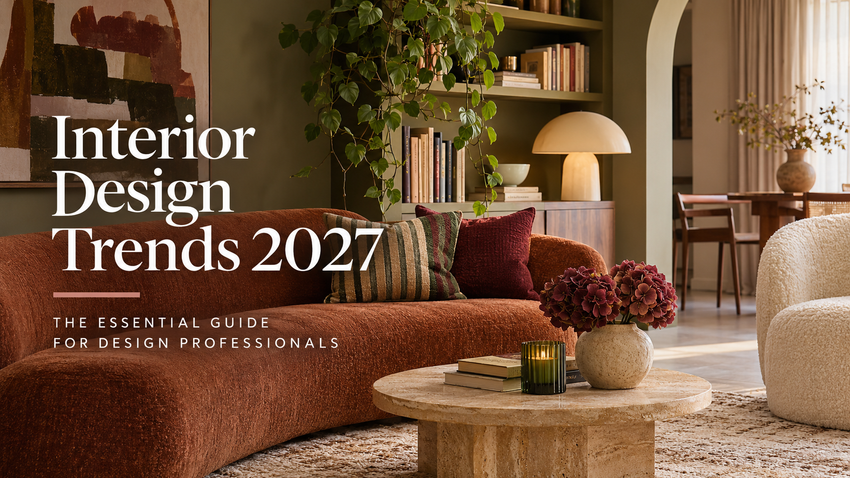
Interior design is entering a new era. As consumers move away from predictable, showroom-perfect spaces, 2027 is set to celebrate individuality, craftsmanship and interiors that feel genuinely personal. The warmth and character that defined 2026 are here to stay, but with a growing emphasis on originality, considered design and spaces that reflect how people really live.
From the return of decorative detailing to the growing popularity of analogue living, here are six trends design professionals should have on their radar for 2027.
1. Anti-Generic Interiors: Personality Over Perfection
The era of cookie-cutter interiors is giving way to something more individual. In 2027, personality is becoming the ultimate design statement, with clients looking for spaces that reflect their interests, experiences and personal histories. Vintage furniture, contemporary pieces, contrasting patterns and decorative details are being brought together to create interiors with character.
Why it's happening: With so much design inspiration available online, interiors can increasingly feel repetitive. Clients want something distinctive rather than another recreation of a popular aesthetic.
How to specify:
-
Mix contemporary furniture with vintage and antique finds.
-
Introduce unexpected combinations of patterns and prints.
-
Use personal collections and artwork as focal points.
-
Experiment with decorative upholstery, fringing and statement wallpaper.
Material palette: Patterned textiles, vintage timber, decorative ceramics, embroidered fabrics and antique brass.
2. Warm Minimalism: The Evolution of Natural Colour
Minimalism isn't disappearing, but it's becoming considerably warmer. Stark whites and cool greys are making way for softer, more inviting palettes. Chocolate, tobacco, mushroom, caramel and earthy greens are emerging as key shades, creating depth without overwhelming a space. Rather than relying on one statement colour, designers are layering complementary tones across walls, furniture and accessories.
Why it's happening: Clients want interiors that feel comfortable and welcoming without sacrificing simplicity. Warm minimalism offers a balance between understated design and emotional warmth.
How to specify:
-
Build tonal schemes around chocolate, tobacco and warm neutrals.
-
Introduce muted greens through cabinetry and upholstery.
-
Combine natural base colours with expressive accents.
-
Experiment with colour drenching across walls and ceilings.
Material palette: Natural timber, warm stone, linen, brushed metals and textured wool.
3. Sculptural Forms and Relaxed Furniture
Furniture is becoming less rigid, with comfort and sculptural design continuing to influence interiors. Curved silhouettes remain popular, but 2027 brings a more relaxed approach. Low-slung sofas, deeper seating, rounded armchairs and organically shaped tables create spaces that feel inviting and informal. Individual furniture pieces are also taking on a stronger decorative role, combining functionality with visual interest.
Why it's happening: Clients increasingly want spaces designed around everyday living. Comfort, flexibility and sociability are becoming just as important as aesthetics.
How to specify:
-
Introduce low-profile sofas and deeper seating.
-
Use rounded coffee tables and organically shaped furniture.
-
Mix statement pieces with understated functional furniture.
-
Consider modular seating for flexible spaces.
Material palette: Bouclé, velvet, chenille, textured upholstery, sculpted timber and natural stone.
4. The Return of Craftsmanship: Texture and Natural Materials
In 2027, perfection is losing its appeal. Handmade finishes, natural imperfections and visible craftsmanship are becoming increasingly important. From irregular ceramics and hand-finished surfaces to timber with visible grain, materials are being celebrated for their individuality. Fluted timber, ribbed surfaces, sculpted stone and textured wall finishes are also bringing architectural interest into interiors.
Why it's happening: As digitally perfected interiors become increasingly common, there is a renewed appreciation for authenticity, traditional techniques and the human touch.
How to specify:
-
Choose timber with visible grain and natural variation.
-
Incorporate handmade ceramics and artisanal objects.
-
Experiment with fluted and sculptural surface finishes.
-
Mix contrasting textures to create depth.
-
Prioritise materials that age naturally.
Material palette: Reclaimed timber, travertine, natural stone, lime plaster, handmade ceramics and linen.
5. The Analogue Home: Spaces Designed to Disconnect
As technology becomes increasingly integrated into everyday life, 2027 sees growing interest in spaces designed to help people switch off. Reading corners, dedicated libraries, craft rooms and comfortable entertaining areas are becoming more important in residential design. The emphasis is on creating environments that encourage creativity, relaxation and meaningful connection rather than constant screen time.
Why it's happening: People are looking for opportunities to disconnect from digital distractions and spend more meaningful time at home. Designers are responding with spaces that prioritise experience over technology.
How to specify:
-
Create dedicated reading areas with comfortable seating.
-
Incorporate bookshelves and spaces for personal collections.
-
Design flexible areas for hobbies and creative activities.
-
Use lighting and furniture to create distinct zones.
-
Prioritise comfort and atmosphere.
Material palette: Warm timber, tactile upholstery, patterned textiles, natural rugs and soft lighting.
6. Biophilic Design 2.0: Bringing Nature Into Every Layer
Biophilic design continues to evolve beyond simply introducing houseplants. In 2027, the focus is on creating a stronger connection with nature through natural light, materials, ventilation and thoughtful spatial planning. Organic textures, botanical references and indoor-outdoor connections are helping create healthier, more restorative environments.
Why it's happening: Wellbeing continues to influence how people approach their homes and workplaces. Clients increasingly expect interiors to support their physical and emotional comfort, as well as looking attractive.
How to specify:
-
Maximise natural daylight and incorporate layered lighting.
-
Introduce integrated planting and living walls.
-
Use natural materials across flooring and furniture.
-
Consider ventilation and outdoor connections.
-
Introduce organic textures into bathrooms and relaxation spaces.
Material palette: Natural timber, stone, linen, rattan, woven fibres and botanical textiles.
What's In and Out for 2027?
Falling away:
-
Perfectly coordinated interiors and matching furniture sets.
-
Stark, cool-toned minimalism.
-
Uniform, machine-perfect finishes.
-
Open-plan layouts without defined zones.
-
Interiors designed purely around aesthetics.
Coming into focus:
-
Individuality, vintage finds and collected interiors.
-
Warm colour palettes and expressive accents.
-
Handmade finishes and natural materials.
-
Relaxed furniture and sculptural silhouettes.
-
Dedicated spaces for wellbeing and hobbies.
-
Quality materials built to last.
How to Bring 2027 Interior Trends Into Your Projects
Understanding emerging trends is only half the process. The real opportunity for design professionals is translating inspiration into practical, commercially viable projects. A few considerations for the year ahead:
- Start with the client: Use trends as inspiration rather than a rigid specification. The strongest interiors reflect the people who use them.
- Invest in materials: Prioritise quality, craftsmanship and finishes that retain their appeal beyond a single season.
- Create contrast: Combine contemporary and traditional elements, contrasting textures and expressive accents.
- Design around experience: Consider how people will use a space, from relaxing and working to entertaining.
- Source with intention: Explore independent brands, emerging designers and specialist manufacturers to find distinctive products.
Discover What's Next at Spring Fair 2027
Staying ahead of interior design trends means knowing where to find the products, suppliers and inspiration to bring new ideas to life. Spring Fair brings together brands, designers, buyers and industry professionals to discover the latest collections across home, interiors and design. From furniture and lighting to ceramics, textiles and decorative accessories, explore emerging styles, meet suppliers and source products for upcoming projects. Whether you're developing a residential project, refreshing a commercial space or searching for your next big design opportunity, Spring Fair is where new ideas meet the products and people to make them happen.
Join us at Spring Fair 2027, 7–10 February at the NEC Birmingham - Discover Design at Spring Fair and register for your free ticket.