
As artificial intelligence becomes increasingly embedded in retail, a growing backlash from independent makers is raising important questions about ownership, originality and the future of creativity. For independent retailers, is embracing AI worth the risk of losing what makes their products unique? AI is transforming the retail landscape. From generating product descriptions and creating marketing imagery to predicting consumer behaviour and streamlining operations, its potential to make businesses more efficient is difficult to ignore.
But as retailers and technology platforms race to embrace AI, an important question is emerging: at what point does innovation come at the expense of human creativity?
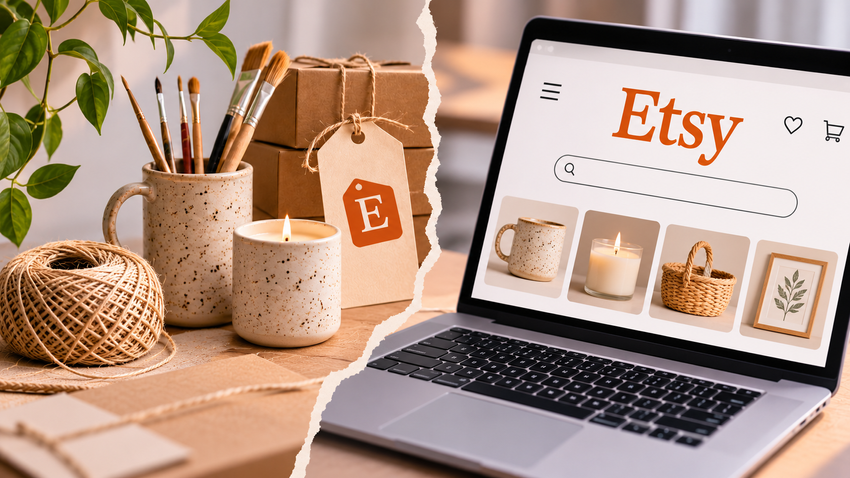
A recent controversy involving online marketplace Etsy has brought that debate into sharp focus, with sellers expressing concern over changes to the platform's terms and conditions that would allow their content to be used to develop, train, test and improve AI and machine learning technologies. According to CBC News' report on the Etsy backlash, some independent sellers have begun removing their products from the platform over concerns about how their original designs and creative work could be used.
For a marketplace built around individuality, handmade products and independent creativity, the reaction highlights a growing tension between technological progress and the people whose work helps make these platforms valuable.
The value of something made by people
For independent retailers and makers, creativity isn't simply part of the product development process. It's often the foundation of their entire business. Whether it's a handmade home accessory, a piece of independent jewellery or a bespoke gift, the appeal lies in its originality, craftsmanship and the person behind it.
The Etsy controversy highlights how important ownership and transparency have become for creative businesses. Sellers aren't necessarily rejecting technology altogether; many are questioning how their work is being used, who benefits from it and whether they have a say in the process. Etsy has since responded to the concerns, clarifying its position in an updated statement to sellers published on 23 November. The company says sellers retain ownership of their creative work and that it will not use their content to train AI models designed to replicate original work or replace their creativity. It has also acknowledged the need to make its policies clearer.
However, the debate extends beyond one platform. As AI models become increasingly sophisticated, protecting original designs, intellectual property and creative identity is becoming a more important consideration for independent businesses.
AI is an opportunity, but trust is everything
It's difficult to ignore the opportunities AI presents to retailers, particularly smaller businesses operating with limited time and resources. From automating administrative tasks and improving customer service to supporting product photography, marketing campaigns and stock management, AI can help independent retailers compete in an increasingly demanding market. Used effectively, it can free up valuable time for the things that matter most: developing products, building customer relationships and growing a business.
But there is a difference between using AI as a business tool and allowing it to replace the very creativity that makes a brand distinctive. Spring Fair has previously explored how independent retailers can use AI to their advantage. In Independent Retail in the Age of AI: Lessons from Spring Fair 2026, Google trainer Kirstie Kavanagh shared practical ways retailers can use AI, consumer insights and digital tools to improve their online presence and compete in an increasingly crowded marketplace.
The opportunity is clear, but so is the importance of using technology strategically. Consumers are also becoming more conscious of how products are made and where they come from. For retailers selling handmade, independent or locally sourced products, authenticity can be a significant competitive advantage. If shoppers feel they can no longer distinguish between something genuinely designed by a person and something generated by AI, the value of originality could become harder to communicate. Transparency will therefore be essential. Retailers need to consider how they use AI, how they communicate its involvement and how they protect the work that makes their business unique.
What does this mean for the future of independent retail?
The debate surrounding Etsy is part of a much bigger conversation about the future relationship between technology and creativity. AI isn't going away, and retailers who understand how to use it effectively could find themselves with a significant competitive advantage. But the businesses that stand out may not necessarily be those using the most technology.
Instead, they could be the ones that understand where technology adds value and where the human element remains irreplaceable. For independent retailers, that means continuing to champion the stories behind their products, investing in craftsmanship and giving customers a reason to buy beyond price or convenience.
This is particularly important as product discovery and consumer behaviour continue to evolve. As explored in Spring Fair's article How AI Is Changing Fashion Retail in 2026, artificial intelligence is already influencing how shoppers discover products, interact with brands and make purchasing decisions. The challenge for retailers is finding the balance between embracing these developments and maintaining the individuality that sets them apart. After all, a product is more than its image, description or algorithm-generated recommendation. It's the story, skill and individuality behind it that can make it special.
As the retail industry navigates this next wave of technological change, perhaps the biggest opportunity isn't choosing between AI and human creativity, but finding a way for the two to coexist without losing what makes independent retail so distinctive. One thing is certain: technology might change how we shop, but the value of human creativity shouldn't be overlooked.