
)
As we emerge back into “real life”, one of the key challenges facing retailers is how to integrate new and improved digital commerce systems with traditional bricks and mortar stores. There's no avoiding the fact that post-pandemic consumers will continue to shop online, so making sure your digital and IRL (in real life) retail experiences match up is crucial. Here are X top tips to help you do just that…
Implement click and collect
Many shoppers enjoy the convenience of shopping online but may be wary about deliveries to their home following the pandemic. Instead, give them the option to come to you to pick up their purchase. This way, you avoid losing footfall to your online store and, with the right merchandising, you could even make some extra physical sales at the point of collection.
Offer in-store customers a delivery service
On the flip side, many customers might enjoy the experience of shopping in-store but may not want to tote shopping bags around with them all day. Offer them the same convenience of shopping online, by rolling out home delivery to in-store customers.
Make sure your payment systems join up
Keeping track of in-store and online sales can be tricky if your systems don't talk to each other. With so many ePOS (ecommerce point of sale) options out there, there's really no excuse for not having a joined up system. Many online platforms, like Shopify, also have in-store POS solutions built in to ensure all sales are tracked in one place. It's worth looking into this if you haven't already, to help you make clear decisions and take accurate customer insights.
Use digital marketing to keep in touch post-purchase
When a customer purchases online, chances are you're already sending out a thank you email, delivery confirmations and the like, as well as offering them the chance to sign up to a newsletter. But do you do this for in-store purchases as well? Many high street retailers will take a customer's email address in-store as well, in order to email the receipt. At this point, you can also ask them to opt in to your email newsletter to keep them firmly in the funnel. Make sure you're also active on social media, with key product and store updates to keep your customers in the know and remind them that you're there.
Consider in-store tech
Many of your customers will have smartphones, which means they will be digitally connected even when they're shopping in person. Many retailers have adopted things like QR codes, which offer more information about a product, and beacon tracking, which sends customers a notification when they're nearby to tell them about offers and deals. Since customers have this physical reminder on their phone, even if they don't end up making a purchase in-store, it might be the reminder they need to order online when they're at home.
Join up your customer service
Service is key when it comes to retail and is often one of the top things a customer remembers about their experience. That's why, whether on or offline, your customer service should be your number one priority. Make sure that your FAQs on your website are up to date, and that it's clear how customers can contact you should they have any questions. In store, that service needs to be replicated with plenty of product information and knowledgeable team members on hand to help at all times.
Don't forget, our sister show, Autumn Fair will be returning to the NEC Birmingham on 5-8 September 2021. Head to the Autumn Fair website to register your interest or apply for a stand.
More from Spring Fair...
-
SPRING FAIR RE-LAUNCHES THE SUMMERHOUSE AS ‘THE SUMMER HOUSE: HOME, GIFT & LIFESTYLE EDIT'
06 Dec 2024Spring Fair, the UK's leading Home, Gift, and Fashion trade show, proudly announces the re-launch of The Summerhouse destination, now reimagined as The Summer House: Home, Gift & Lifestyle Edit creati ... -

Who is Trendhub by BDA London?
05 Dec 2024The ready-to-buy trend division of BDA London. Trendhub is smart forecasting that combines the what, the how, and - most importantly - the why of the season.
-

The Royal Albert Hall became a beacon of style, culture and innovation as it hosted the British Fashion Awards 2024, presented by Pandora. The event, organised by the British Fashion Council (BFC), brought together the industry's leading lights to celebrate a year of transformative achievements in fashion. From groundbreaking wins to show-stopping performances, the night was all about power of creativity and inclusivity.
-
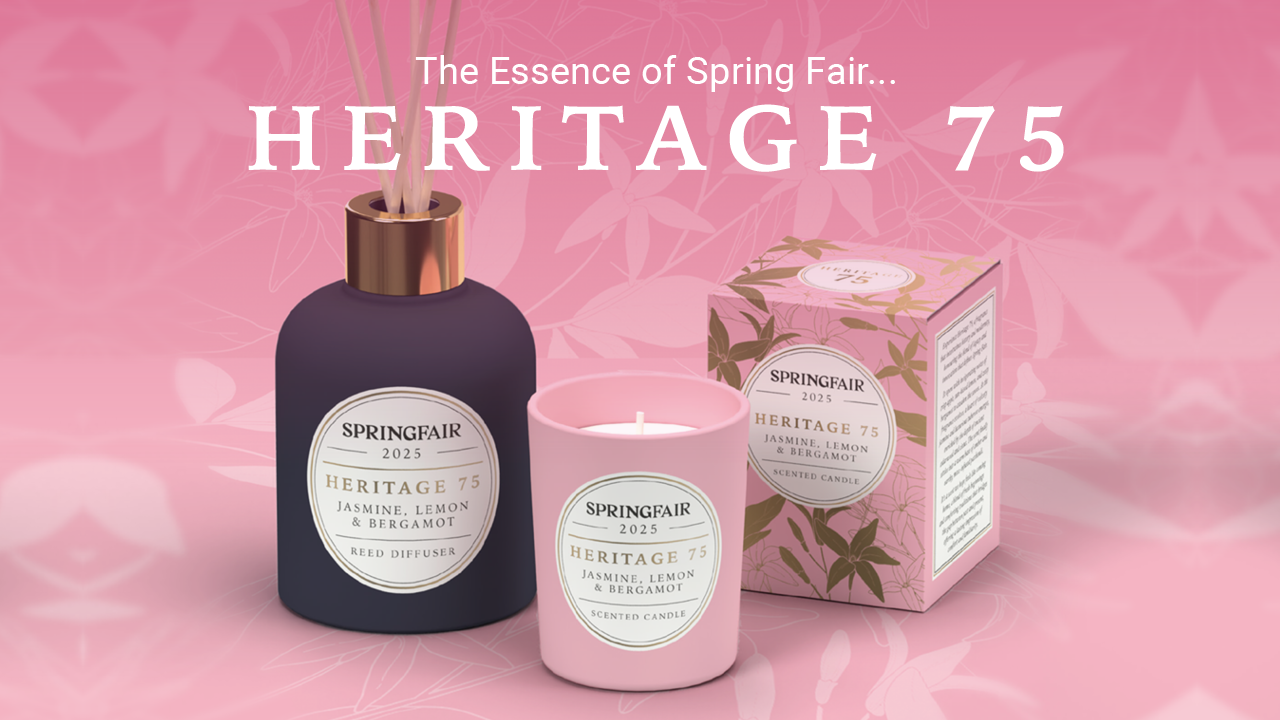
Spring Fair Celebrates 75th Anniversary with Launch of Signature Fragrance ‘Heritage 75'
27 Nov 2024Spring Fair, the UK's leading Home, Gift and Fashion trade show, is proud to announce the launch of its exclusive signature fragrance, Heritage 75, created to commemorate the show's 75th anniversary. The scent, crafted in collaboration with fragrance experts Quintessence Fragrances and design partners Sebnini, will debut at the 2025 edition of Spring Fair, bringing a multisensory dimension to the event and celebrating its legacy of innovation, creativity, and connection in the retail industry.
-

Scent marketing, also known as ambient fragrance, is a strategic approach used by retailers to enhance the customer experience and strengthen brand identity through the use of specific scents. By diffusing a carefully chosen fragrance throughout a store, businesses can evoke emotions, trigger memories, and create a memorable atmosphere that resonates with customers. This sensory experience can influence shoppers' moods and behaviours, encouraging them to spend more time in the store and building brand loyalty. Scent marketing leverages the powerful connection between smell, memory, and emotion, making it a valuable tool in creating immersive and engaging retail environments.
-
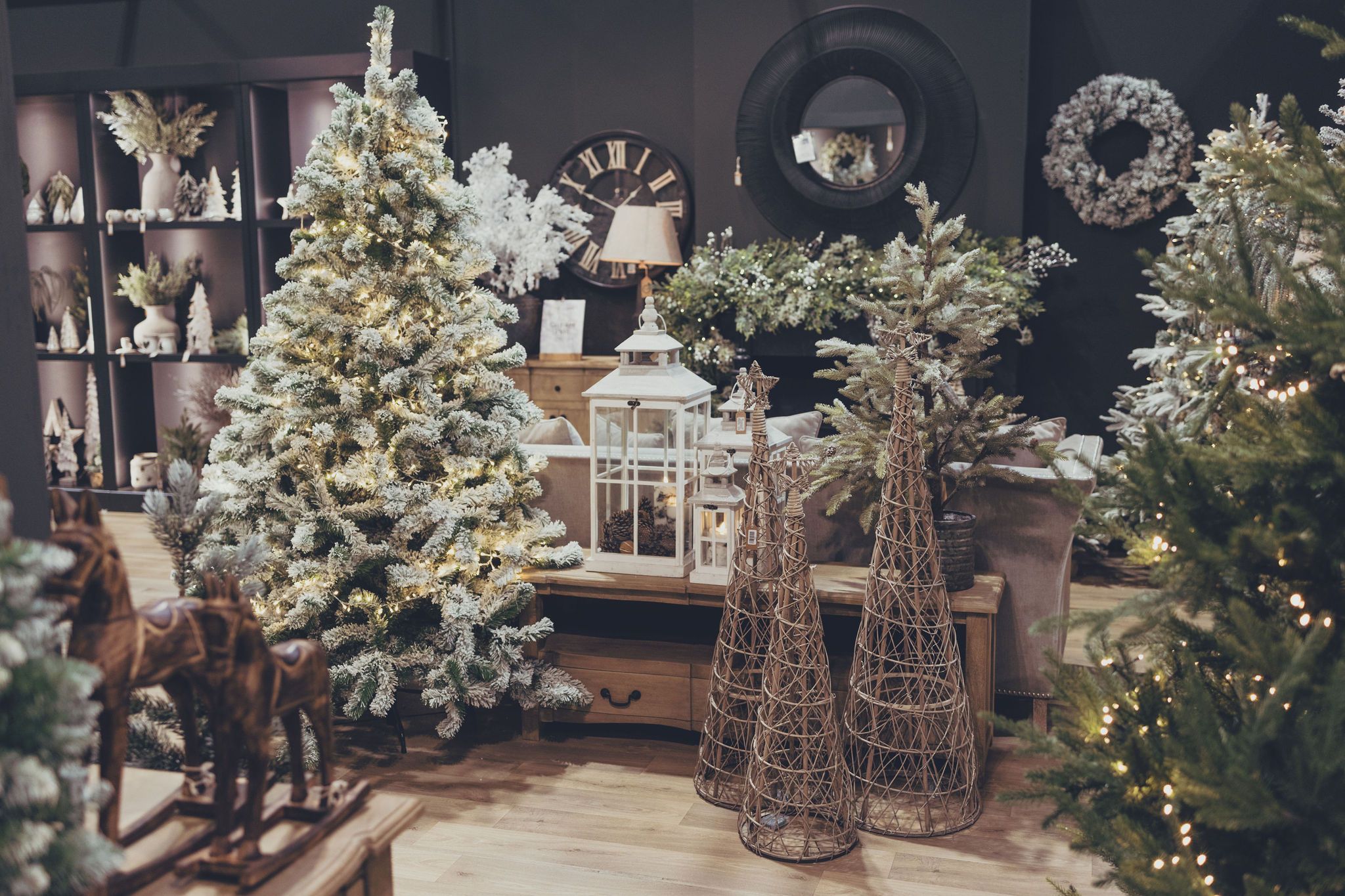
10 Strategies for Maximising Seasonal Sales
19 Nov 2024Periodic spikes, often tied to holidays like Christmas, Valentine's Day or cultural events like New Year's Eve, create lucrative opportunities for businesses to capitalise on heightened demand. But standing out amidst competition during these periods demands more than just clever marketing.
-

The Autumn Budget 2024, presented by Chancellor Rachel Reeves under the new Labour government, introduced a series of changes that will affect small businesses across the UK. The measures aim to boost economic stability, infrastructure investment, and growth across various regions. Here's a breakdown of the key announcements and how they may impact small business owners.
-
 I'm Laurie Morgan, the Marketing Manager at Quintessence Fragrances. With over 15 years of industry experience in product development and creative marketing, I specialise in driving growth and innovat ...




Featured Articles
- 1 Sell internationally with ease on the e-marketplace Fruugo
- 2 Everything you need to know to export to the US
- 3 The 5 big ecommerce retail trends of 2017 and planning for 2018
- 4 Get the funding you need to win, fulfill and insure contracts
- 5 How Champion and Reeves are achieving success exporting to the USA