
)
As we emerge back into “real life”, one of the key challenges facing retailers is how to integrate new and improved digital commerce systems with traditional bricks and mortar stores. There's no avoiding the fact that post-pandemic consumers will continue to shop online, so making sure your digital and IRL (in real life) retail experiences match up is crucial. Here are X top tips to help you do just that…
Implement click and collect
Many shoppers enjoy the convenience of shopping online but may be wary about deliveries to their home following the pandemic. Instead, give them the option to come to you to pick up their purchase. This way, you avoid losing footfall to your online store and, with the right merchandising, you could even make some extra physical sales at the point of collection.
Offer in-store customers a delivery service
On the flip side, many customers might enjoy the experience of shopping in-store but may not want to tote shopping bags around with them all day. Offer them the same convenience of shopping online, by rolling out home delivery to in-store customers.
Make sure your payment systems join up
Keeping track of in-store and online sales can be tricky if your systems don't talk to each other. With so many ePOS (ecommerce point of sale) options out there, there's really no excuse for not having a joined up system. Many online platforms, like Shopify, also have in-store POS solutions built in to ensure all sales are tracked in one place. It's worth looking into this if you haven't already, to help you make clear decisions and take accurate customer insights.
Use digital marketing to keep in touch post-purchase
When a customer purchases online, chances are you're already sending out a thank you email, delivery confirmations and the like, as well as offering them the chance to sign up to a newsletter. But do you do this for in-store purchases as well? Many high street retailers will take a customer's email address in-store as well, in order to email the receipt. At this point, you can also ask them to opt in to your email newsletter to keep them firmly in the funnel. Make sure you're also active on social media, with key product and store updates to keep your customers in the know and remind them that you're there.
Consider in-store tech
Many of your customers will have smartphones, which means they will be digitally connected even when they're shopping in person. Many retailers have adopted things like QR codes, which offer more information about a product, and beacon tracking, which sends customers a notification when they're nearby to tell them about offers and deals. Since customers have this physical reminder on their phone, even if they don't end up making a purchase in-store, it might be the reminder they need to order online when they're at home.
Join up your customer service
Service is key when it comes to retail and is often one of the top things a customer remembers about their experience. That's why, whether on or offline, your customer service should be your number one priority. Make sure that your FAQs on your website are up to date, and that it's clear how customers can contact you should they have any questions. In store, that service needs to be replicated with plenty of product information and knowledgeable team members on hand to help at all times.
Don't forget, our sister show, Autumn Fair will be returning to the NEC Birmingham on 5-8 September 2021. Head to the Autumn Fair website to register your interest or apply for a stand.
More from Spring Fair...
-
 New York Fashion Week (NYFW) Autumn/Winter 2025 was a vibrant tapestry of innovation, tradition, and behind-the-scenes dynamism. Beyond the runway's dazzle, the backstage realm buzzed with creativity, ...
 -
 Spring Fair 2025 celebrated its 75th anniversary by uniting UK retailers and suppliers in a dynamic showcase of the latest industry trends and innovations. The event featured a comprehensive lineup ...
 -
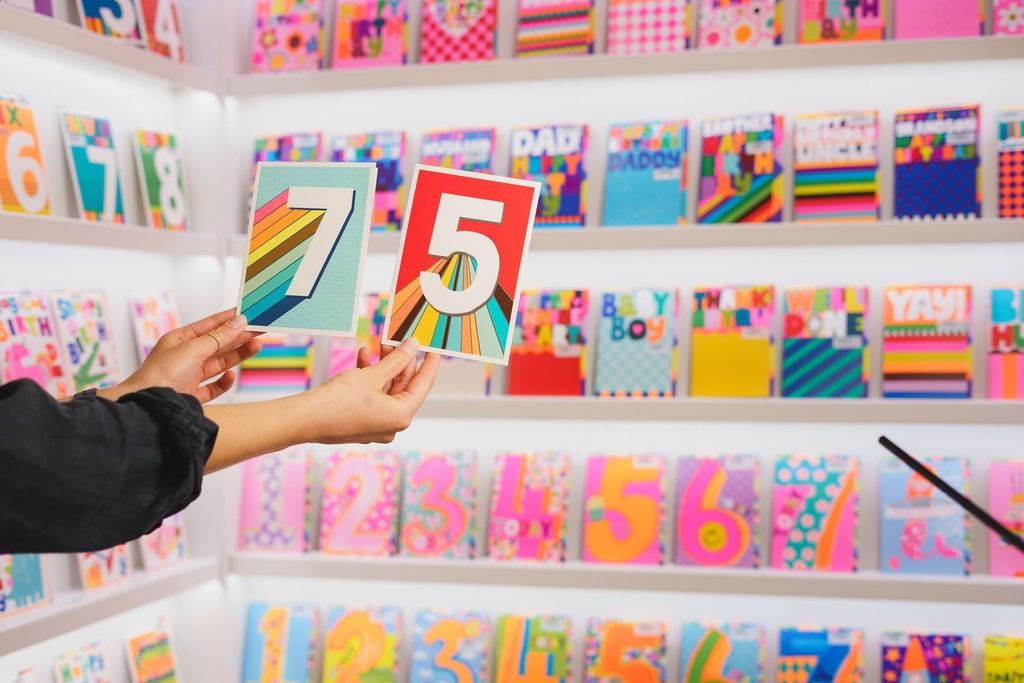 For 75 years, Spring Fair has been the beating heart of the retail industry, bringing together the most innovative, creative and passionate brands from around the world. This year, we are marking this incredible milestone with a spectacular celebration—the 75 Years of Excellence Awards.
 -

The landscape of sexual wellness has undergone a remarkable transformation in recent years. What was once a niche market confined to specialty retailers is now flourishing in the mainstream, with high street retailers and lifestyle brands embracing its importance. With a shift in societal perception, sexual wellness is no longer seen as a taboo topic but recognised as an essential component of overall wellbeing—a perspective that has been amplified in the wake of the COVID-19 pandemic.
-
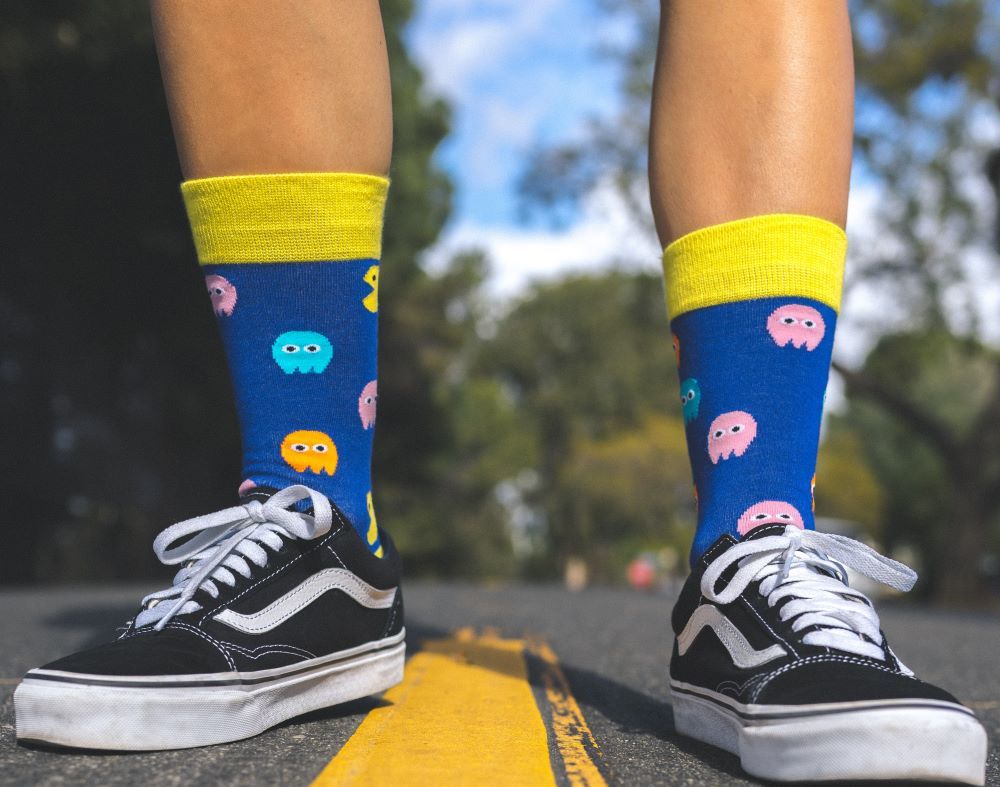
Incredible Socks was founded with a bold vision: to combine style, sustainability and social responsibility in a way that would challenge the traditional sock market. Now, as the brand prepares to make a splash at Spring Fair 2025, it's showcasing more than just socks—it's igniting a movement!
-
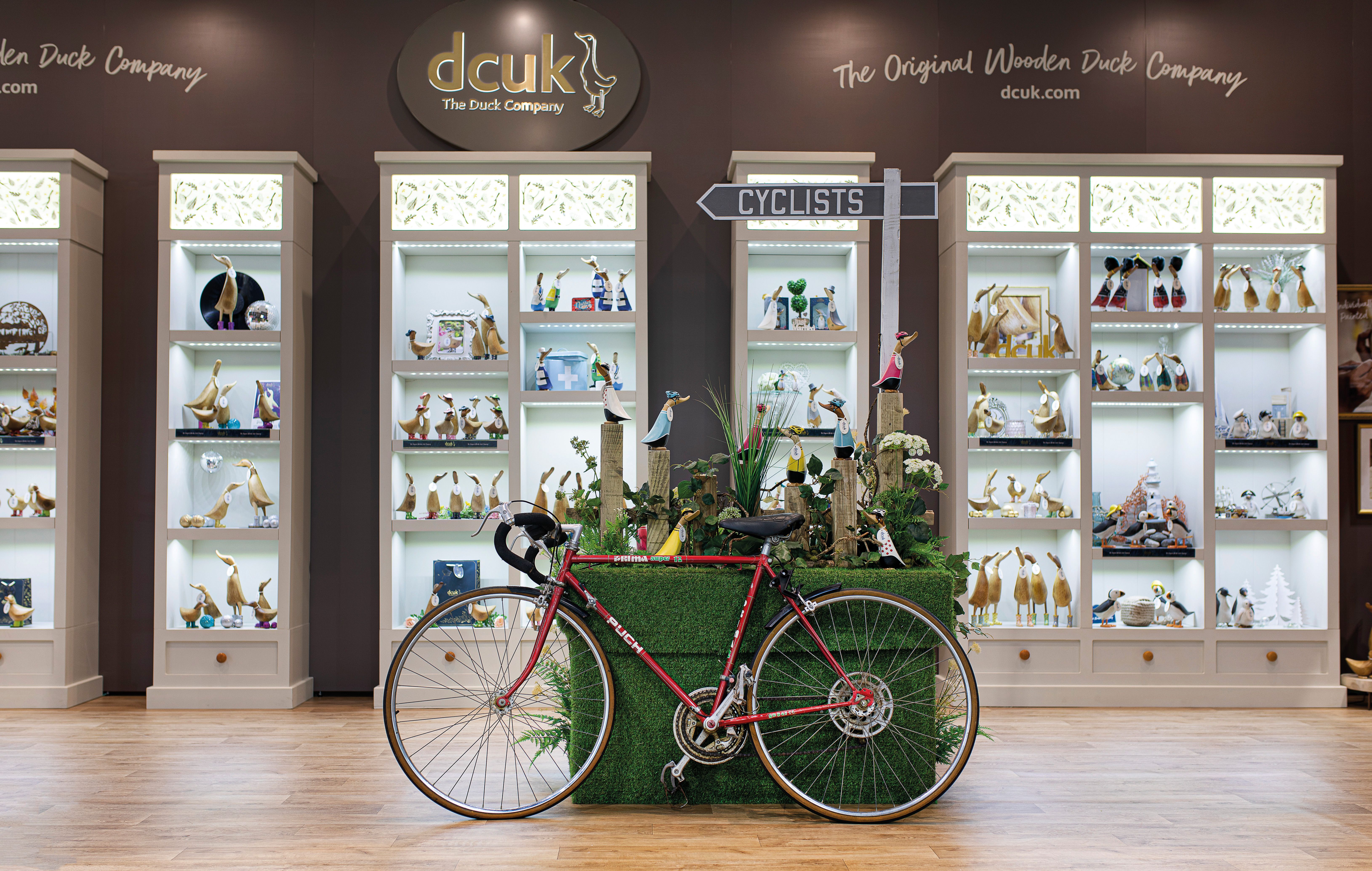
As DCUK marks an incredible 21 years at Spring Fair, we caught up with Co-Founder Craig Wensley and Head of Marketing Steve Manser to learn more about the brand's journey, their commitment to craftsmanship, and what's in store for this year's show. From their iconic hand-carved ducks to the unveiling of an exciting new licensed product line, DCUK continues to evolve while staying true to its quirky, creative roots.
-
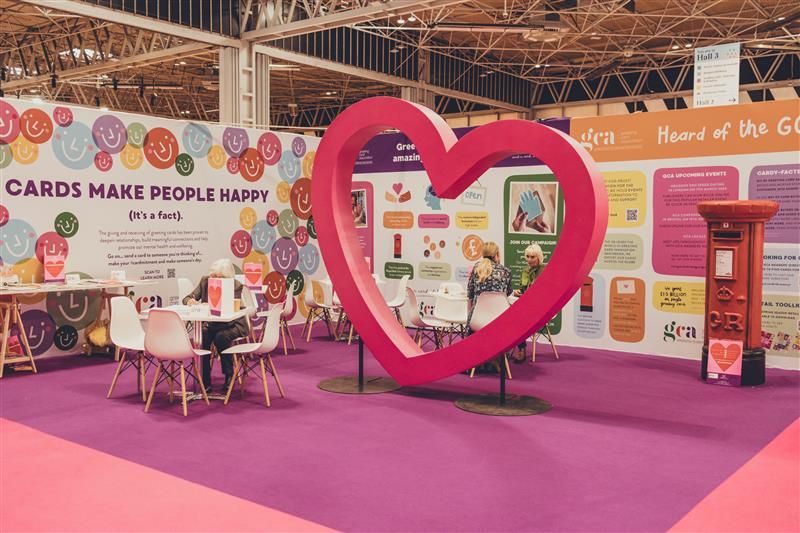
Spring Fair is proud to welcome back the Greeting Card Association (GCA), a long-standing partner and champion of the greeting card industry. This year, the GCA is bringing an inspiring mix of events and initiatives to our show, creating opportunities for retailers, exhibitors and card enthusiasts to connect, collaborate and celebrate the joy of card-giving.
-

This year, as Spring Fair proudly celebrates its 75th anniversary, we are thrilled to host an exceptional group of exhibitors who are marking their own significant milestones.