
)
As we emerge back into “real life”, one of the key challenges facing retailers is how to integrate new and improved digital commerce systems with traditional bricks and mortar stores. There's no avoiding the fact that post-pandemic consumers will continue to shop online, so making sure your digital and IRL (in real life) retail experiences match up is crucial. Here are X top tips to help you do just that…
Implement click and collect
Many shoppers enjoy the convenience of shopping online but may be wary about deliveries to their home following the pandemic. Instead, give them the option to come to you to pick up their purchase. This way, you avoid losing footfall to your online store and, with the right merchandising, you could even make some extra physical sales at the point of collection.
Offer in-store customers a delivery service
On the flip side, many customers might enjoy the experience of shopping in-store but may not want to tote shopping bags around with them all day. Offer them the same convenience of shopping online, by rolling out home delivery to in-store customers.
Make sure your payment systems join up
Keeping track of in-store and online sales can be tricky if your systems don't talk to each other. With so many ePOS (ecommerce point of sale) options out there, there's really no excuse for not having a joined up system. Many online platforms, like Shopify, also have in-store POS solutions built in to ensure all sales are tracked in one place. It's worth looking into this if you haven't already, to help you make clear decisions and take accurate customer insights.
Use digital marketing to keep in touch post-purchase
When a customer purchases online, chances are you're already sending out a thank you email, delivery confirmations and the like, as well as offering them the chance to sign up to a newsletter. But do you do this for in-store purchases as well? Many high street retailers will take a customer's email address in-store as well, in order to email the receipt. At this point, you can also ask them to opt in to your email newsletter to keep them firmly in the funnel. Make sure you're also active on social media, with key product and store updates to keep your customers in the know and remind them that you're there.
Consider in-store tech
Many of your customers will have smartphones, which means they will be digitally connected even when they're shopping in person. Many retailers have adopted things like QR codes, which offer more information about a product, and beacon tracking, which sends customers a notification when they're nearby to tell them about offers and deals. Since customers have this physical reminder on their phone, even if they don't end up making a purchase in-store, it might be the reminder they need to order online when they're at home.
Join up your customer service
Service is key when it comes to retail and is often one of the top things a customer remembers about their experience. That's why, whether on or offline, your customer service should be your number one priority. Make sure that your FAQs on your website are up to date, and that it's clear how customers can contact you should they have any questions. In store, that service needs to be replicated with plenty of product information and knowledgeable team members on hand to help at all times.
Don't forget, our sister show, Autumn Fair will be returning to the NEC Birmingham on 5-8 September 2021. Head to the Autumn Fair website to register your interest or apply for a stand.
More from Spring Fair...
-
 Cyber attacks within the retail sector are on the rise, putting customer data and business operations at serious risk. Explore the key threats retailers face and offers straightforward, effective ways to strengthen cyber defences.
 -
 Award-winning fashion boutique, The Dressing Room, just turned 20, and this milestone is about so much more than just clothes. Their birthday bash was a masterclass on how to thrive in a retail landscape that's been, well let's face it, brutal.
 -
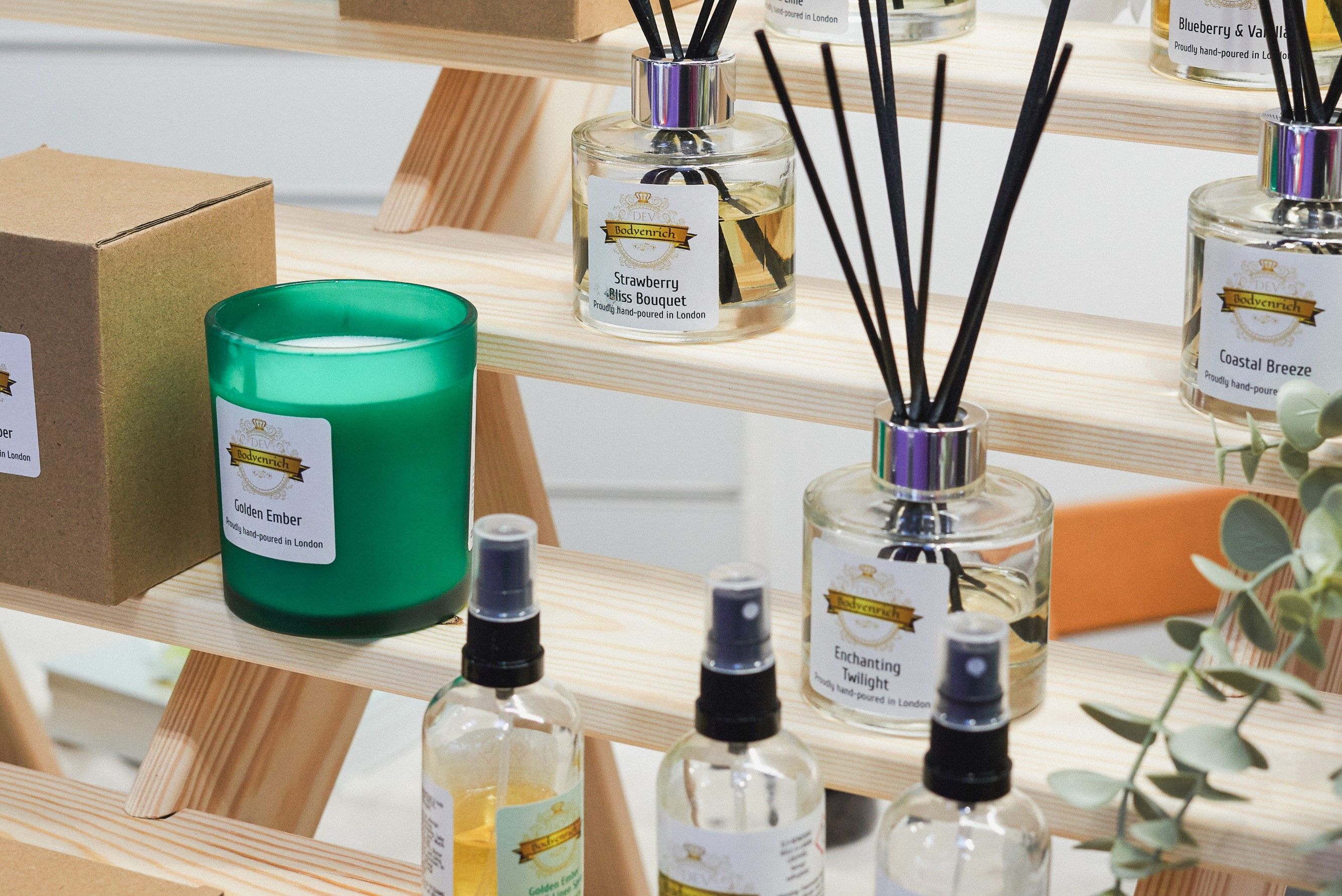
As the retail landscape continues to evolve, so too does the importance of sensory marketing as a competitive advantage. For business owners, marketers, and innovators, understanding the potential of scent is more crucial than ever in a world where customer experience can transform sales overnight.
-
In the fast-evolving world of retail, one trend is reshaping the way customers shop—and pay. The rise of alternative payment methods, from digital wallets to flexible options like "Pay-in-4", is transforming transactions from simple exchanges into strategic opportunities for both buyers and sellers.
-

The Greats Gift Retailer Awards 2025 took place on Thursday, 15 May 2025, at the iconic Royal Lancaster Hotel in London. As part of The Gift Awards, this prestigious event celebrates excellence in the UK's gift retail industry, recognising both outstanding retailers and innovative products. It's a highlight in the retail calendar, bringing together the biggest names in the industry to honour those pushing the boundaries of creativity and customer experience.
-
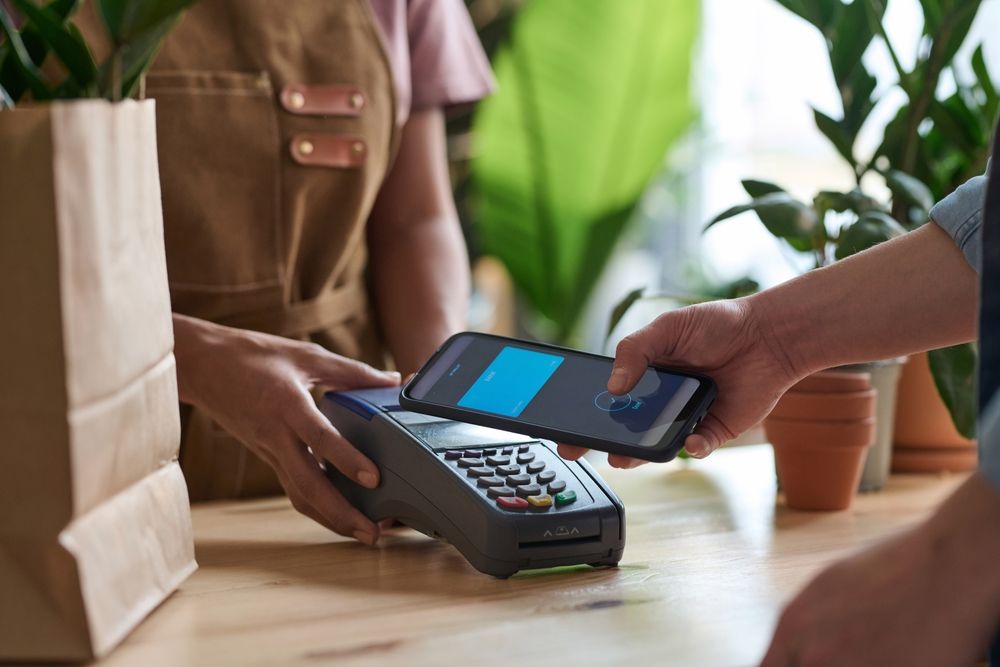
Among the leading trends reshaping the retail landscape is the "Buy Now, Pay Later" (BNPL) option. With its rising popularity, this payment method is making waves across industries. But what makes BNPL so appealing, and what does the future hold for this financial innovation?
-
Since the unveiling of the new Budget, small business owners across the UK have found themselves recalibrating—some reluctantly, others with cautious optimism. It's a time of reckoning for many who have spent years nurturing their enterprises through a landscape already pockmarked with economic uncertainty, supply chain headaches, and shifting consumer behaviours. The changes announced by Chancellor Rachel Reeves, particularly around wage increases and employers' national insurance contributions, have sent ripples through the business community. Some are tightening their belts, others are innovating their way forward.
-
 At Spring Fair 2025, renowned designer and television personality Laurence Llewelyn-Bowen delivered an inspiring and entertaining session, spotlighting the untapped potential of independent retailers. ...




Featured Articles
- 1 What Andy Burnham's arrival at Number 10 means for UK retail
- 2 Why Are Retailers Already Planning Christmas 2026?
- 3 Morrisons' AI Smart Trolley: What It Means for Independent Retailers
- 4 Why are newer independent retailers growing faster than established ones?
- 5 New Parking Charges Spark Backlash on High Streets Across the UK