
)
January might feel quiet in the garden centre, but it's actually the calm before one of your busiest storms. Seed season is coming amongst the garden trends of 2026, and the retailers who prepare now will capture the wave of enthusiastic gardeners ready to start their growing year.
Spring seed sales represent a significant opportunity for garden centres. Historical data shows seed and bulb sales can increase by nearly 20% in April when conditions are favorable, potentially making this one of your highest-growth categories during peak season. But success doesn't happen by accident, it requires thoughtful planning, engaging displays, and proper inventory management.
Here's how to prepare your garden centre to make the most of seed season 2026.
Understanding the Seed Customer Journey
Before diving into merchandising tactics, it's worth understanding who's buying seeds and what they need from you.
The Customer Types
The Experienced Grower knows exactly what varieties they want, often by specific cultivar name. They're looking for reliable traditional varieties, seeking out heritage or unusual seeds, comparing your range with what they can get online, and expecting knowledgeable staff who can discuss growing conditions and pest resistance.
The Enthusiastic Beginner is excited but uncertain, perhaps motivated by cost-of-living concerns or wellbeing benefits. They need reassurance that growing from seed isn't too difficult, clear guidance on what to start with, and visible results relatively quickly to maintain enthusiasm. They're likely to buy related products (compost, pots, propagators) if you merchandise well.
The January Optimist appears in late January and early February, fired up by new year motivation and seed catalogues. They're planning ambitious vegetable plots, need help translating enthusiasm into realistic plans, and will return regularly through spring if you build that relationship now.
The March Panic Buyer realises spring has arrived and everyone's talking about gardening. They want fast results, prefer plug plants to seeds if available, but will buy seeds for quick-growing crops, and need last-minute advice on what can still be successfully sown.
Your merchandising and staffing need to serve all these customer types, often simultaneously.
Creating Inspiration Displays That Sell
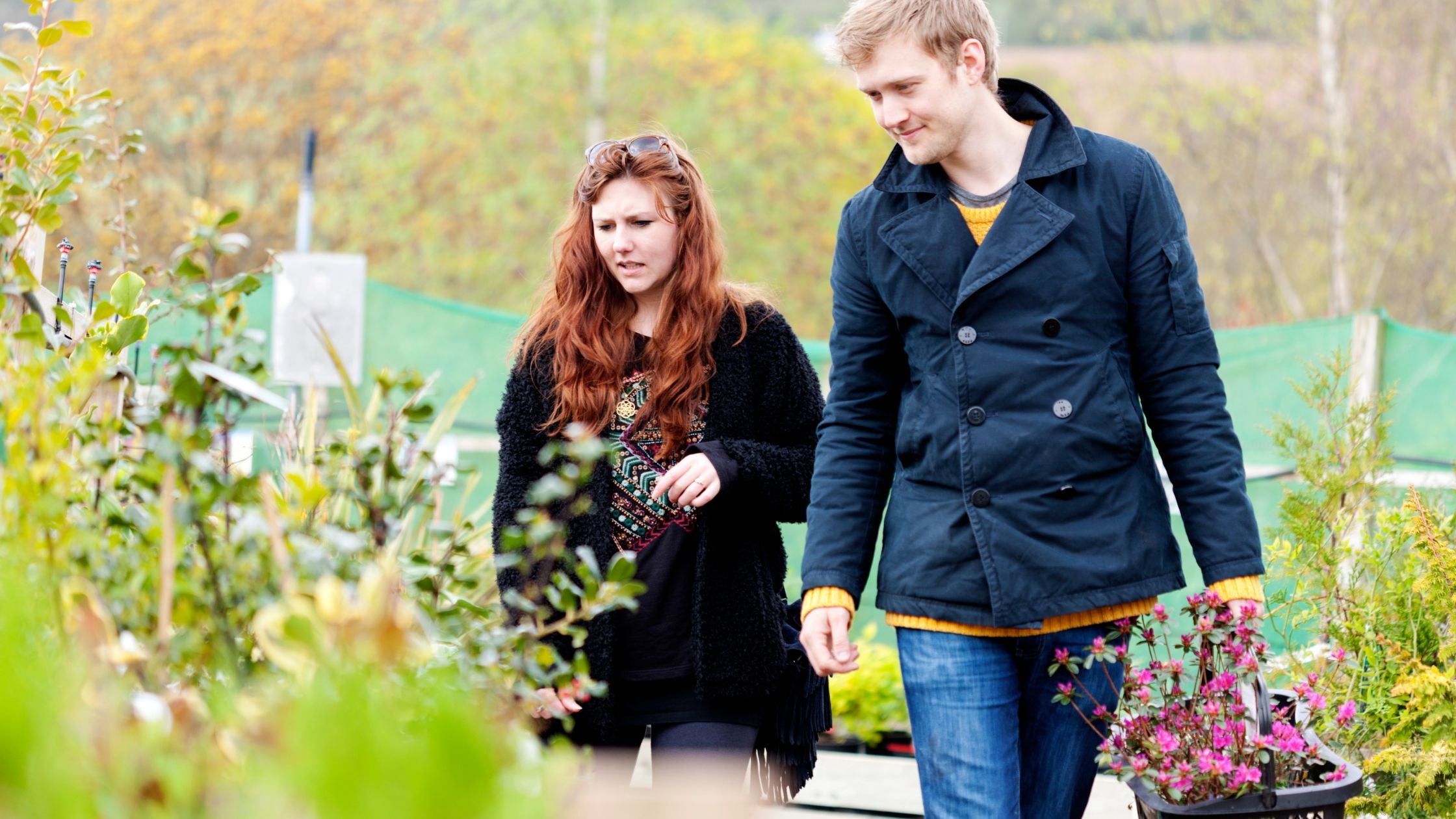
Seed packets are small, easily overlooked, and frankly, a bit boring on their own. Your job is to transform them into an inspiring springtime narrative that makes customers want to grow.
The Power of Problem-Solution Merchandising
Rather than organising seeds purely by type (vegetables, flowers, herbs), create displays that solve problems or answer questions customers actually have.
"First-Time Grower? Start Here"
Feature genuinely easy, fast-growing seeds that build confidence. Include radishes (results in 3-4 weeks), salad leaves, herbs like coriander and basil, easy annuals like nasturtiums and sunflowers. Add clear signage: "Ready to harvest in under 30 days" or "Impossible to kill."
"Grow Your Own Lunch"
Create an edible garden vignette showing everything needed for home-grown salads or stir-fries. Cross-merchandise seeds with growing bags, compost, and plant food. Include recipe cards or cooking inspiration to make the end result tangible.
"Wildlife Garden from Seed"
With the RHS launching its Bringing Nature Home campaign in 2026, capitalise on pollinator interest. Display wildflower mixes, single-flower varieties that bees love, and native species. Include identification guides for pollinators customers might see.
"Small Space, Big Harvest"
Dwarf varieties are trending as more people garden in limited spaces. Show table-top chillies, hanging basket cucumbers, and mini varieties of traditional crops. Make it clear these work for patios, balconies, and windowsills.
"Sow Now for Summer Colour"
Create urgency by highlighting what needs to be started now for summer blooms. Sweet peas, cosmos, sunflowers, and annuals that need early starts. Include a simple timeline: "Sow in March = Flowers in July."
Visual Merchandising Techniques
Use height and depth
Seeds are flat packets; create vertical interest with stacked crates, tiered displays, or hanging seed collections. Vintage tools, wicker baskets, or galvanised containers add rustic charm and elevate seeds from commodity to aspiration.
Show the destination
Display large, beautiful photographs of mature plants next to seed packets. Customers need to visualise the end result. If you grow trial plants on-site, position these near seed displays with "Grown from seed in our greenhouse" signage.
Create complete stories
Don't just sell seeds; show the complete growing journey. A display might include seed packets, propagation trays, seed compost, plant labels, a small hand fork, and growing instructions. Make it easy for customers to buy everything they need.
Rotate displays weekly
As sowing windows change through spring, refresh your "Sow This Week" section. This gives regular customers a reason to check back and creates urgency around timely planting.
Engage multiple senses
If possible, have some herbs or scented plants nearby so the area smells alive and growing. Play gentle nature sounds if your space allows. Garden centres are sensory experiences; use this to your advantage.
Signage That Educates and Sells
Great signage bridges the knowledge gap for uncertain customers while reinforcing choices for experienced ones.
Sowing windows
Clear information on when to sow: "Sow indoors: February-March" or "Direct sow outdoors: April-May." Many customers don't know timing and won't ask.
Difficulty ratings
Simple visual systems (one to three seed icons, traffic light colors) help customers self-select appropriate varieties.
Space requirements
"Good for containers" or "Needs full garden bed" saves customers from buying seeds for plants they can't actually accommodate.
Harvest timelines
"Ready to pick in 60 days" or "Continuous harvest June-September" helps customers understand the commitment and reward.
Growing tips
Quick-reference cards with essential growing information: depth, spacing, position, and one troubleshooting tip. Customers often photograph these rather than remembering to ask staff.
Local success stories
"This variety thrives in [your region]" or "Staff favourite" adds social proof and local relevance.
Cross-Selling and Related Products
Seeds alone are low-margin products. The real profit comes from everything customers need to successfully grow them.
Seed compost
Position next to seed displays with clear signage explaining why seed compost differs from multi-purpose. Include small bags for beginners and larger quantities for serious growers.
Propagators and trays
From simple windowsill propagators (£5-15) to heated units (£30-80), offer range that matches ambition levels. Make it clear which seeds benefit most from propagators.
Plant pots and modules
Biodegradable pots that can be planted directly, plastic modules for pricking out, and decorative containers for transplanting. Group by use: "For seed starting" vs. "For growing on."
Labels and markers
Surprisingly high-margin impulse purchase. Offer wooden, plastic, and decorative options. Many customers buy these as an afterthought if they're visible at point of sale.
Tools
Small dibbers, seed sowing tools, and transplanting equipment. Position these as gift items or "treat yourself" purchases that make the process easier.
Books and resources
Growing guides, seed calendars, and specific crop books. These build authority and support customer success (which means they'll return and buy more).
Creating "Complete Kits"
Pre-bundle products into starter kits that simplify purchasing for uncertain customers:
"First-Time Grower Kit" – £25-30: Simple propagator, three easy seed varieties, seed compost, labels, and growing guide.
"Salad Garden Kit" – £35-45: Selection of salad seeds, growing bags, compost, and harvesting scissors.
"Children's Growing Kit" – £15-20: Fast-growing seeds (sunflowers, cress, beans), small pots, compost, and grow chart.
These kits reduce decision paralysis, increase average transaction value, and ensure customers have everything needed for success.
Measuring Success and Planning Ahead
Use this season to gather data that improves next year's performance.
Key Metrics to Track
Sales by variety
What sold out? What remained in stock? This informs next year's ordering balance between depth and variety.
Sales by timing
When did peak sales occur? This helps plan staffing levels and promotional timing for 2027.
Customer demographics
Who's buying seeds? Age, shopping patterns, basket composition. This shapes marketing and product selection.
Workshop performance
Attendance rates, conversion to purchases, feedback scores. Refine event offerings based on actual performance.
Cross-selling success
What percentage of seed buyers also purchased growing accessories? Low conversion suggests merchandising improvements needed.
Final Thoughts
Seed season is short but intense, roughly 12-16 weeks from late January to early May. The garden centres that succeed are those who've prepared properly, created inspiring environments, educated customers effectively, and built community around growing.
Remember that selling seeds isn't just about the physical product, it's about the satisfaction of growing something from nothing. Your role is to make that journey feel accessible, exciting, and achievable.
Start preparing now. Order thoughtfully, display creatively, train thoroughly, and engage genuinely. The customers walking through your doors in February and March are looking for more than seeds, they're looking for guidance, inspiration, and confidence. Provide all three, and you'll not only maximise seed sales but build loyal customers who return throughout the growing season and beyond.
Seed season is coming. Are you ready?