
)
Gardens in 2026 are shaping up to be expressive, immersive, and grounded in a renewed appreciation for nature.
After a decade defined by minimal planting and muted palettes, we're entering a period of abundance, richer colours, denser planting, textured materials, and outdoor spaces designed to support wellbeing and biodiversity. Homeowners want meaningful gardens: places that feel alive, personal, and resilient.
From wildlife-first design to the rise of sculptural foliage, these are the top 10 garden trends shaping the year ahead.
1. Wildlife-First Gardening
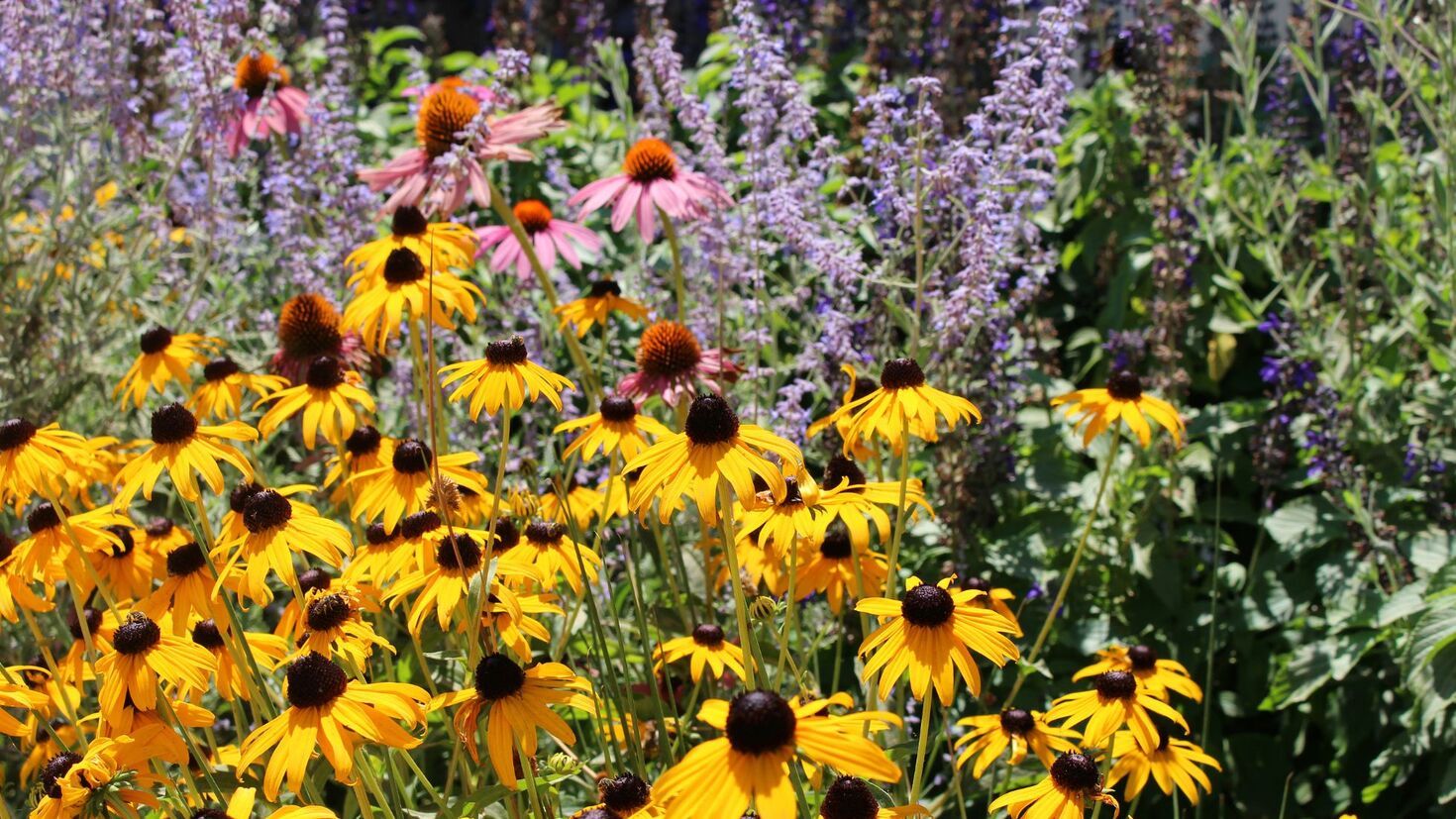
Gardening with nature, rather than against it, moves into the mainstream in 2026. Designers are building entire schemes around supporting pollinators, birds, and beneficial insects, with planting choices chosen as much for habitat value, as for it's aesthetic impact.
What's driving it:
Climate awareness, rising environmental literacy, and a cultural shift toward responsible stewardship. Consumers now want gardens that “give back.”
Key features of the trend:
- Pollinator corridors that bloom from early spring to late autumn
- Nectar-rich perennials like echinacea, penstemon, achillea, and helenium
- Native trees and shrubs: hawthorn, rowan, hazel, dogwood
- Ponds, micro-meadows, and log piles as mini ecosystems
- Reduction in pesticides and lawn space
Retail takeaway: Expect rising demand for native plants, seed mixes, insect habitats, and wildlife-friendly product lines.
2. Saturated, Nature-Rich Colour Palettes
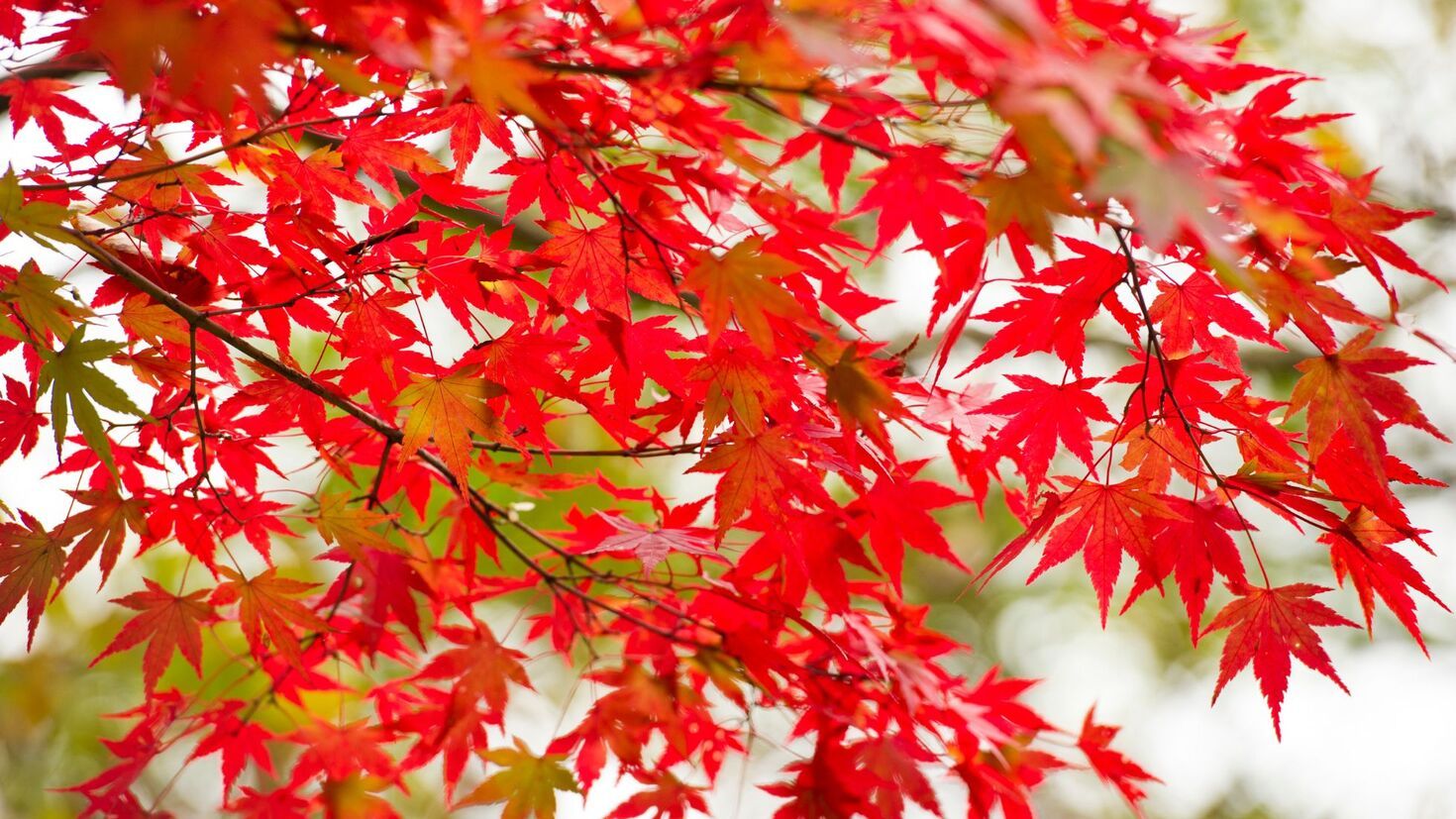
Colour is returning with intensity. Where soft neutrals once dominated, 2026 looks to introduce deeper, moodier hues for both plants and outdoor décor.
The palette of 2026:
- Burnt terracotta
- Amber and ochre
- Plum, aubergine, and inky purples
- Olive and deep forest greens
- Warm clay, russet, and tobacco tones
How it appears in gardens:
Gardeners are pairing bold foliage plants like copper beech, smoke bush, and Japanese maples with richly coloured perennials: salvias, dahlias, heucheras, and dark-stemmed grasses. Even planters and furniture reflect these deeper hues.
Retail takeaway:
Expect increased interest in richly coloured planters, bold-flowering perennials, dramatic foliage plants, and accessories in earthy, jewel-toned palettes.
3. Maximalist Planting & “More Is More” Borders
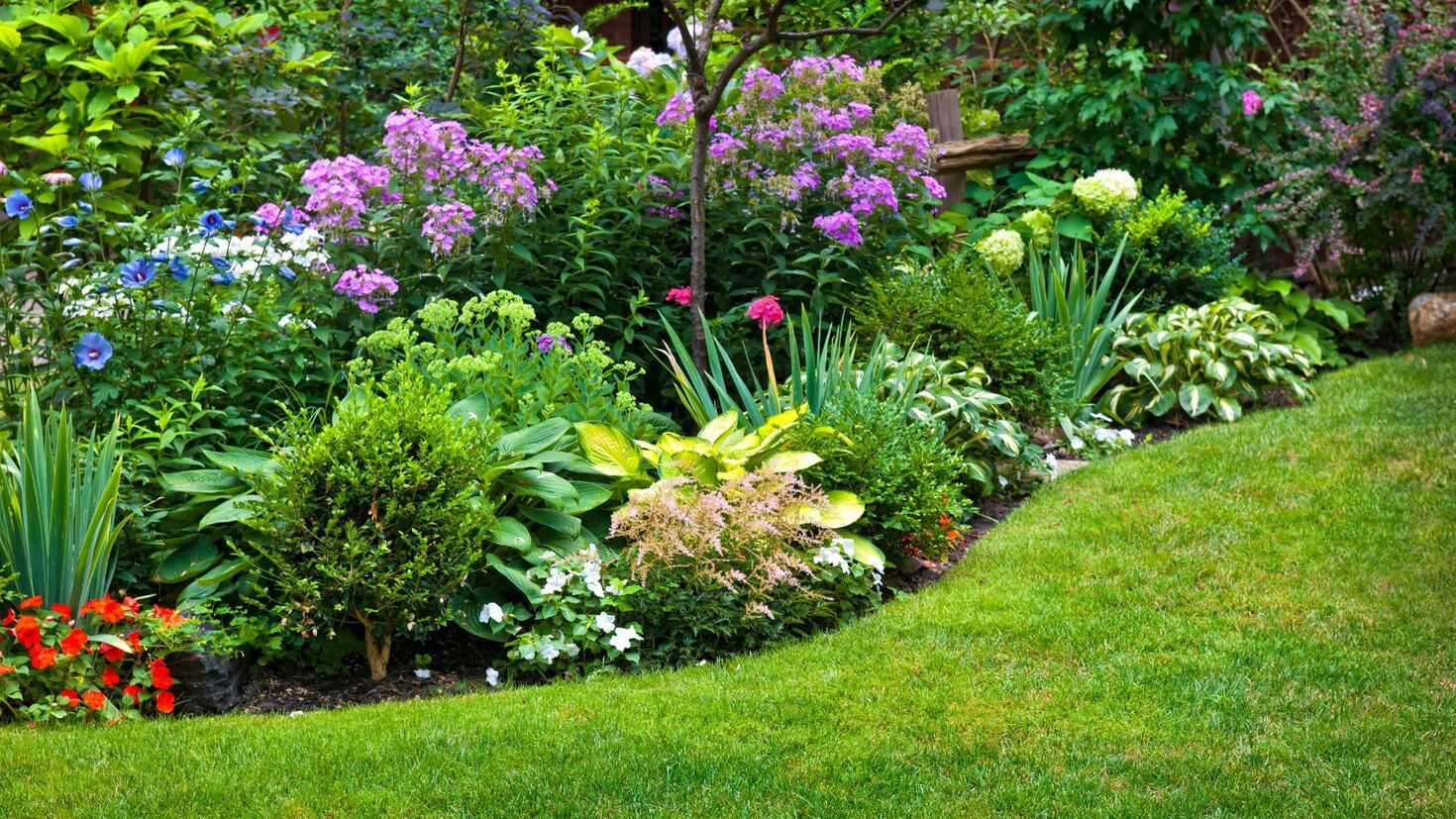
Cottagecore evolves into something bigger, bolder, and more intentionally wild. Dense, multi-layered borders full of mixed textures and heights define gardens in 2026. Maximalism counters the controlled aesthetic of the 2010s. It embraces variety, experimentation, and joy, and it's surprisingly low-maintenance once established.
Characteristics:
- Layered perennials at varying heights
- Interplanting annuals for continual colour
- Mixing edibles (kale, herbs, chard) within ornamental beds
- Looser, more naturalistic compositions
- “No empty soil” policies, groundcovers fill every gap
Retail takeaway:
Shoppers will seek high-impact perennials, seed mixes, filler plants, and companion planting combinations to achieve lush, full beds.
4. Climate-Resilient & Water-Wise Design
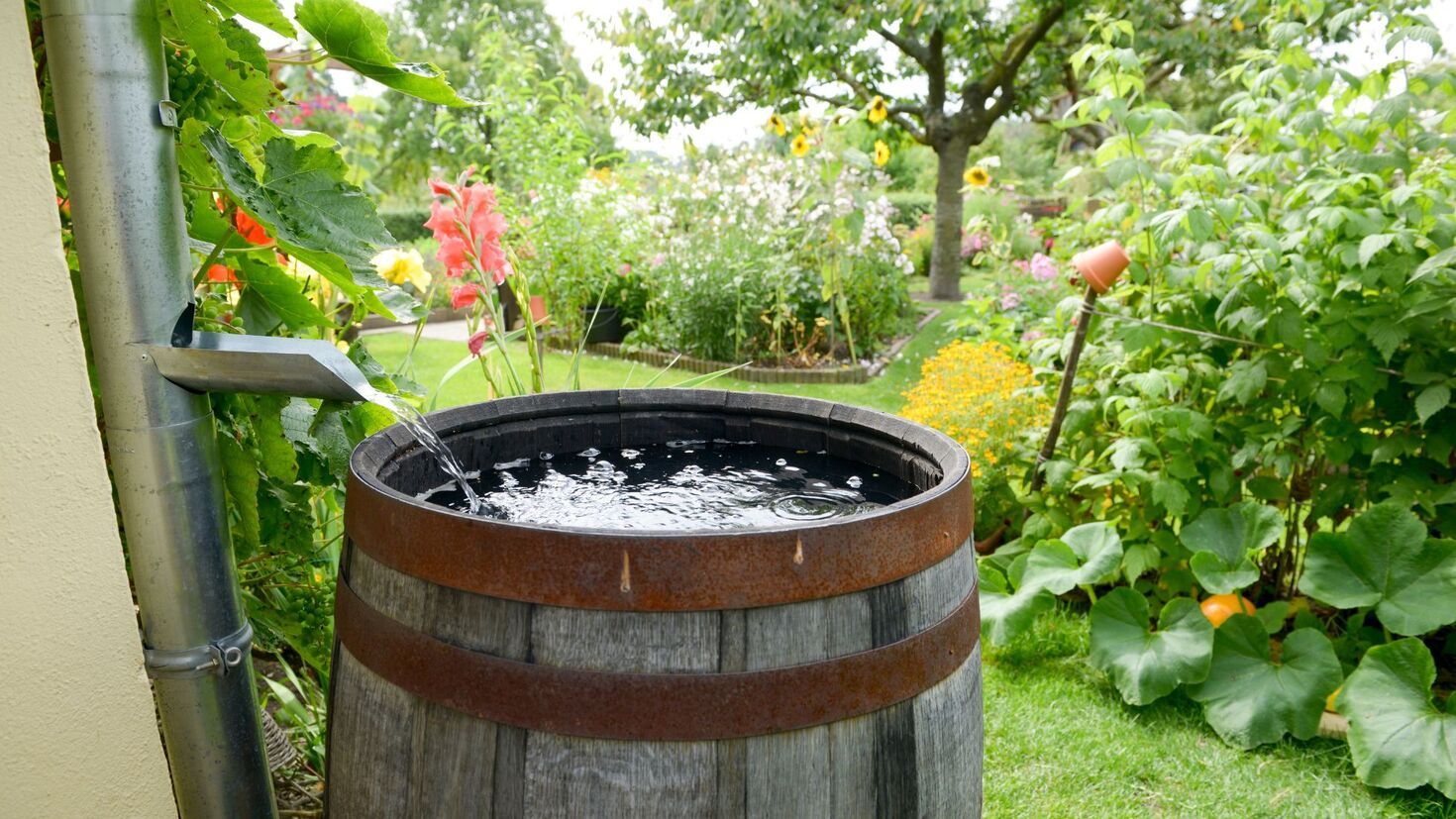
With hotter summers, unpredictable rainfall, and harsher extremes, resilience is the new cornerstone of garden design. Homeowners want gardens that endure extreme conditions yet remain beautiful and low maintenance.
Core elements:
- Drought-tolerant perennials (agastache, lavender, eryngium, sedum)
- Gravel gardens inspired by Beth Chatto's dry garden
- Rainwater harvesting and permeable surfaces
- Heat-tolerant shrubs and trees like arbutus, olive, pomegranate
- Layered mulches to retain moisture
Retail takeaway:
Drought-tolerant plants, gravel garden kits, mulch products, rainwater systems, and heat-resistant shrubs will see strong growth.
5. Edible Gardens Go Premium
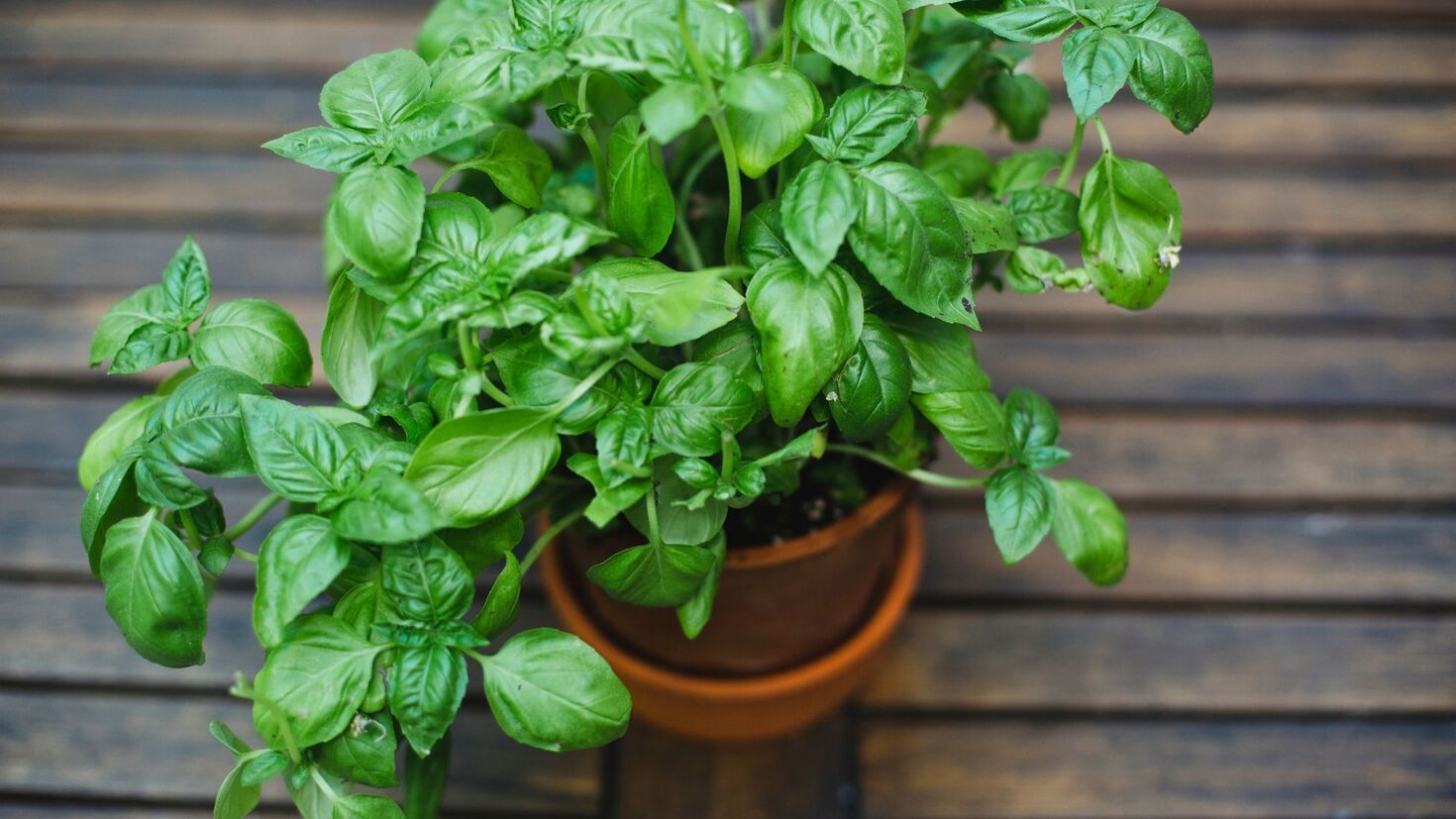
The kitchen garden trend becomes more aesthetic, architectural, and integrated into overall garden design. Consumers want homegrown flavour, cost savings, beautiful produce, and the wellbeing benefits of growing their own food.
New expressions of the trend:
- Espalier and fan-trained fruit trees creating living walls
- Ornamental herb parterres
- Berry arches over pathways
- Colourful vegetable displays (rainbow chard, purple basil, mini aubergines)
- Small-space edible solutions for balconies and patios
Retail takeaway:
Demand will rise for dwarf fruit trees, stylish raised beds, premium seeds, edible flowers, berry plants, and compact balcony-friendly crops and plant pot. Luxury meets practicality, think raised beds in sophisticated materials and stylish layouts.
6. Container Gardening as a Design Statement
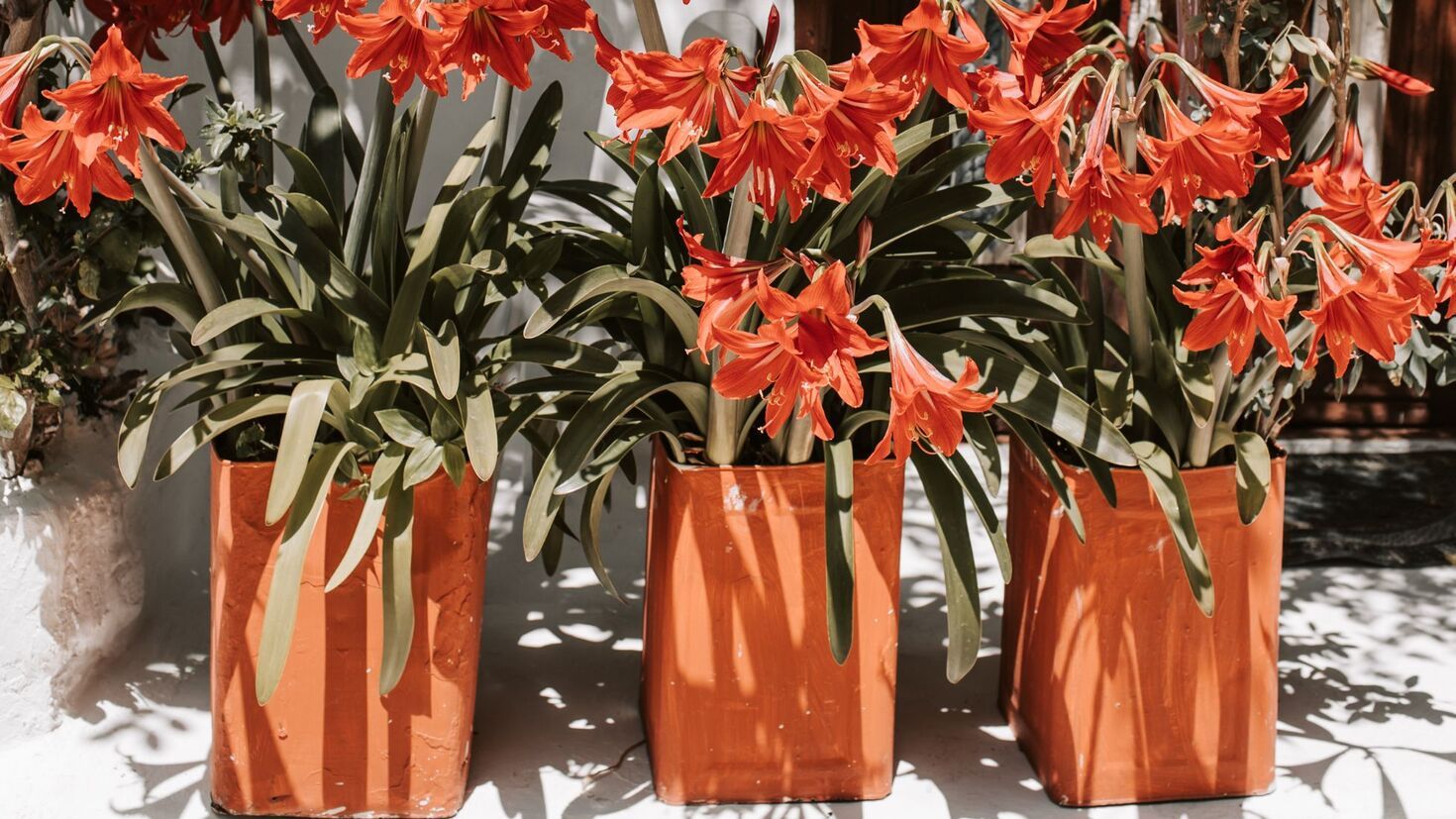
Containers become sculptural, large-scale, and central to garden layouts, especially in urban environments. Offering flexibility and instant impact, gardeners can experiment, shift styles seasonally, and bring plants to eye level.
What's new in 2026:
- Oversized planters that act as focal points
- Architecturally shaped pots: ribbed, fluted, faceted
- Bold colour blocking across container groups
- Limewash textures and matte finishes
- Portable edible gardens for renters
Retail takeaway:
Large-scale planters, textured pots, long-lasting soil mixes, container-friendly plants, and curated pot collections will gain traction.
7. Natural Materials & Textural Hardscaping
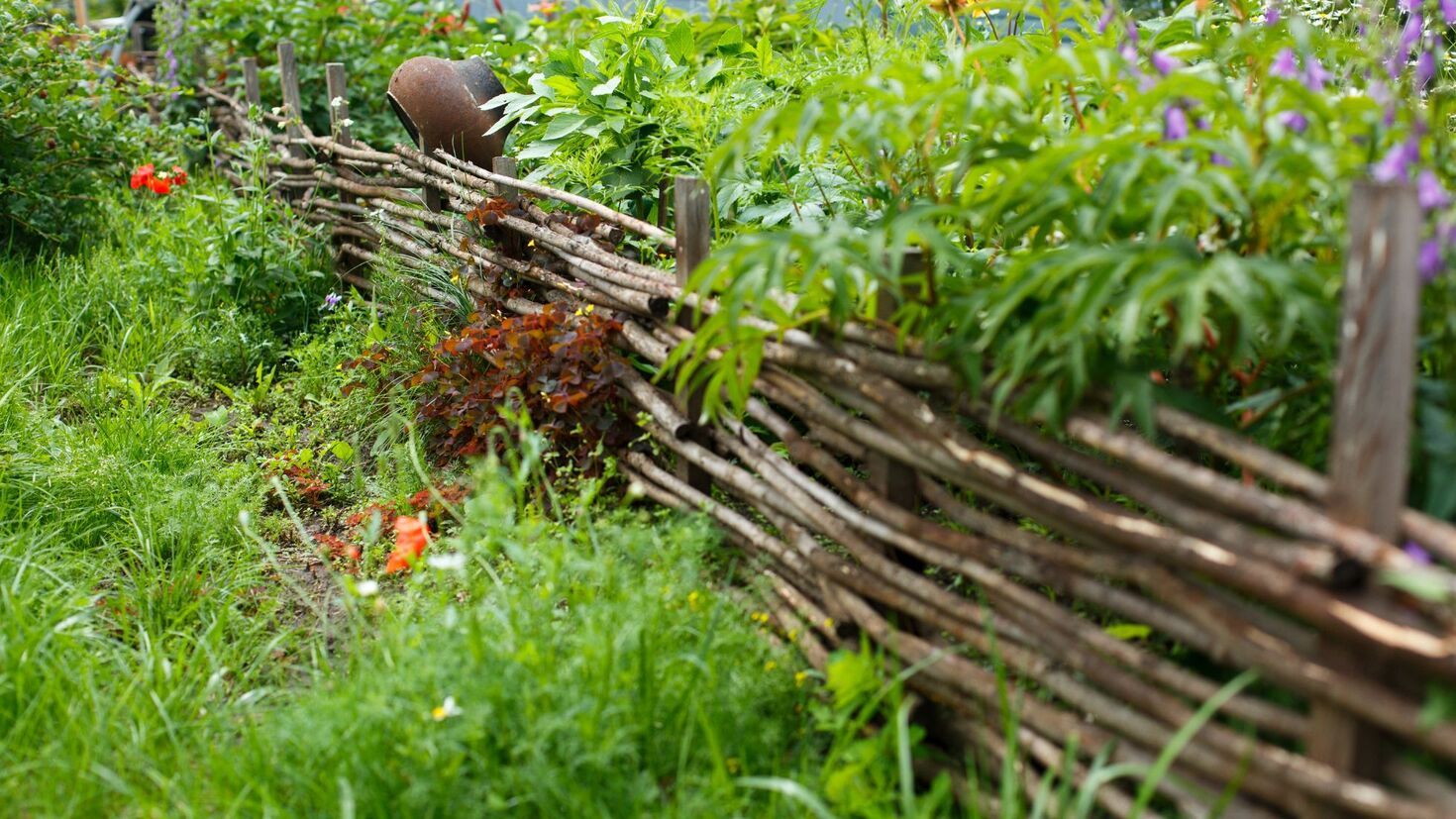
Just as interiors shift toward tactile, authentic materials, gardens are starting to follow suit. Embracing authenticity and tactility, moving away from manufactured finishes to natural, beautifully ageing materials. Consumers are craving materials that feel warm, grounded, and handmade rather than glossy or synthetic.
Key materials dominating 2026:
- Warm, medium-tone timbers
- Woven willow and hazel structures
- Honed stone rather than polished
- Gravel and decomposed granite pathways
- Handmade clay pavers and terracotta edging
Retail takeaway:
Higher interest in natural stone, warm timber features, woven fencing, clay pavers, and textured outdoor accessories.
8. The Rise of the Outdoor Room
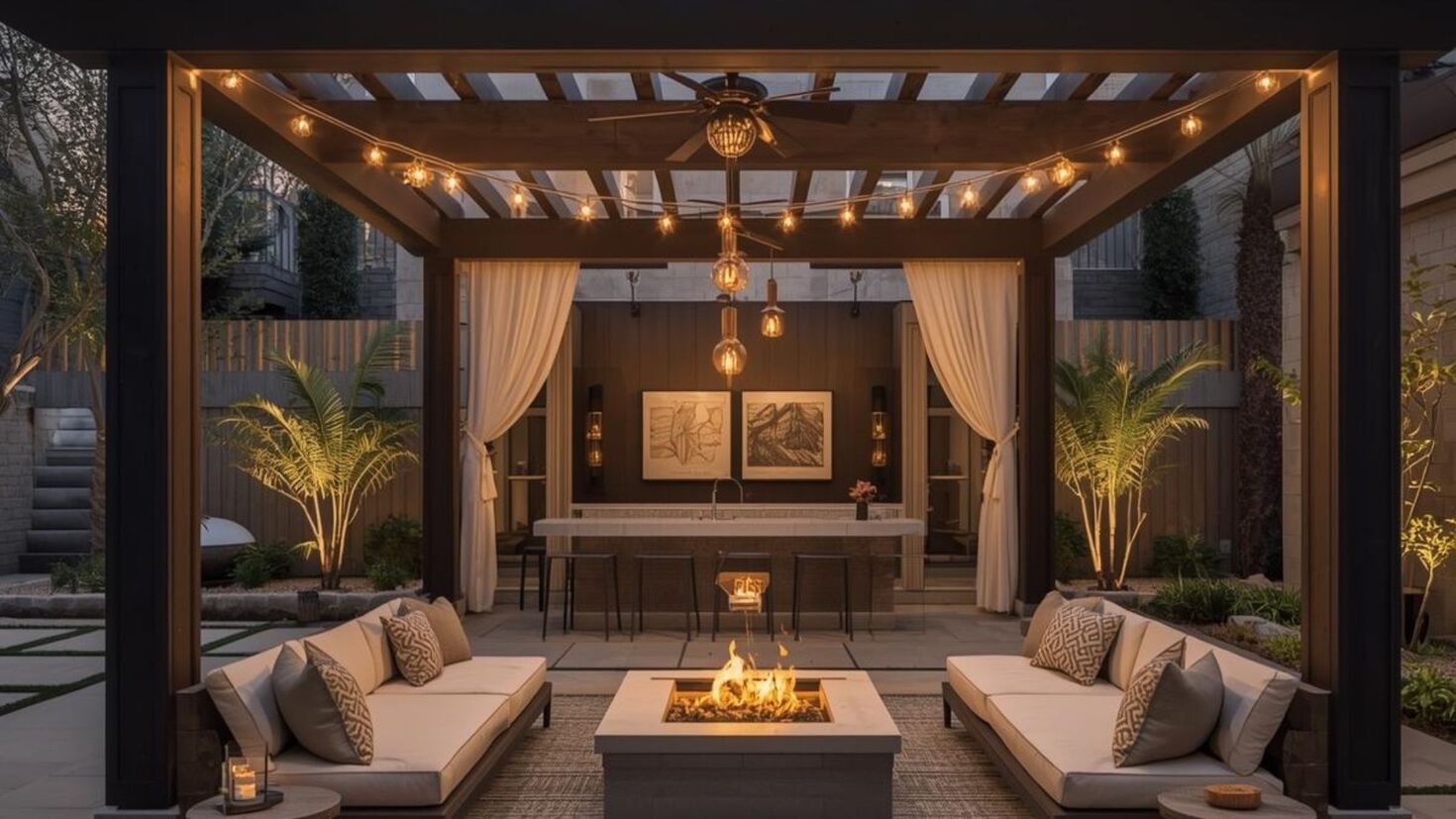
Gardens continue their evolution as extensions of the home, multifunctional, comfortable, and usable throughout the year. People want spaces to relax, work, host, and unwind; outdoors becomes part of everyday life rather than a seasonal luxury.
What defines outdoor rooms in 2026:
- Pergolas and louvered structures for all-weather use
- Fire pits and outdoor cooking zones
- Weatherproof textiles in natural palettes
- Layered lighting: festoon lights, lanterns, concealed LED strips
- Planting that creates “walls” and zones
Retail takeaway:
Strong demand for pergolas, outdoor lighting, weatherproof furnishings, heating options, and décor that creates “zones” outdoors.
9. Bold Foliage & Architectural Plants
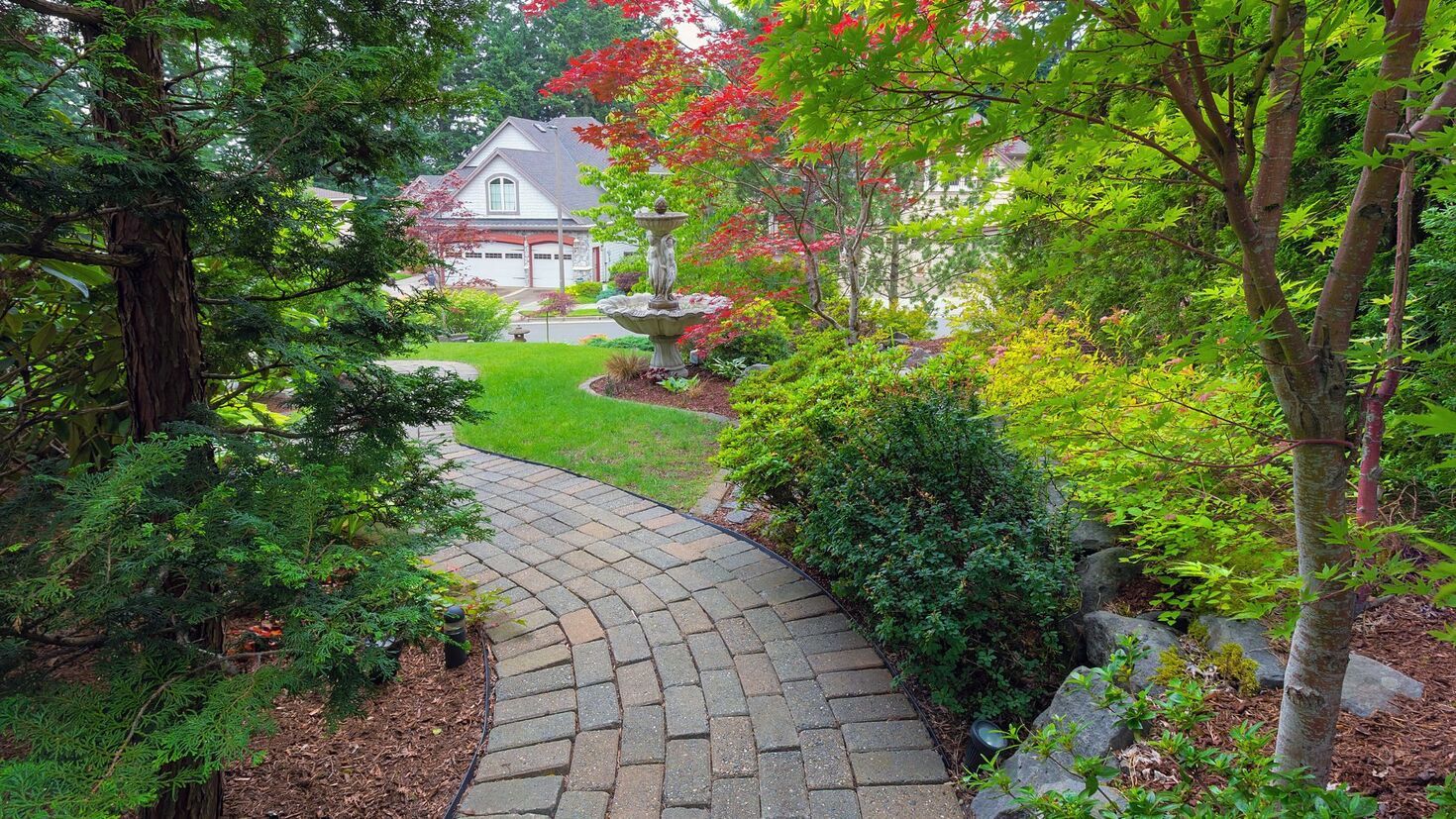
Statement foliage becomes the new garden sculpture. Magnificent plants serve as focal points in maximalist schemes and pair beautifully with textural hardscaping. They offer year-round structure in a way flowers cannot.
Hero plants gaining attention:
- Tetrapanax and fatsia for huge tropical leaves
- Phormium and Libertia for structural lines
- Japanese acers for shape and colour
- Bananas and hardy palms for drama
- Evergreen topiary with looser, modern silhouettes
Retail takeaway:
Expect increased demand for architectural exotics, hardy tropicals, large-leaf foliage plants, and modern topiary forms.
10. The Wellbeing Garden
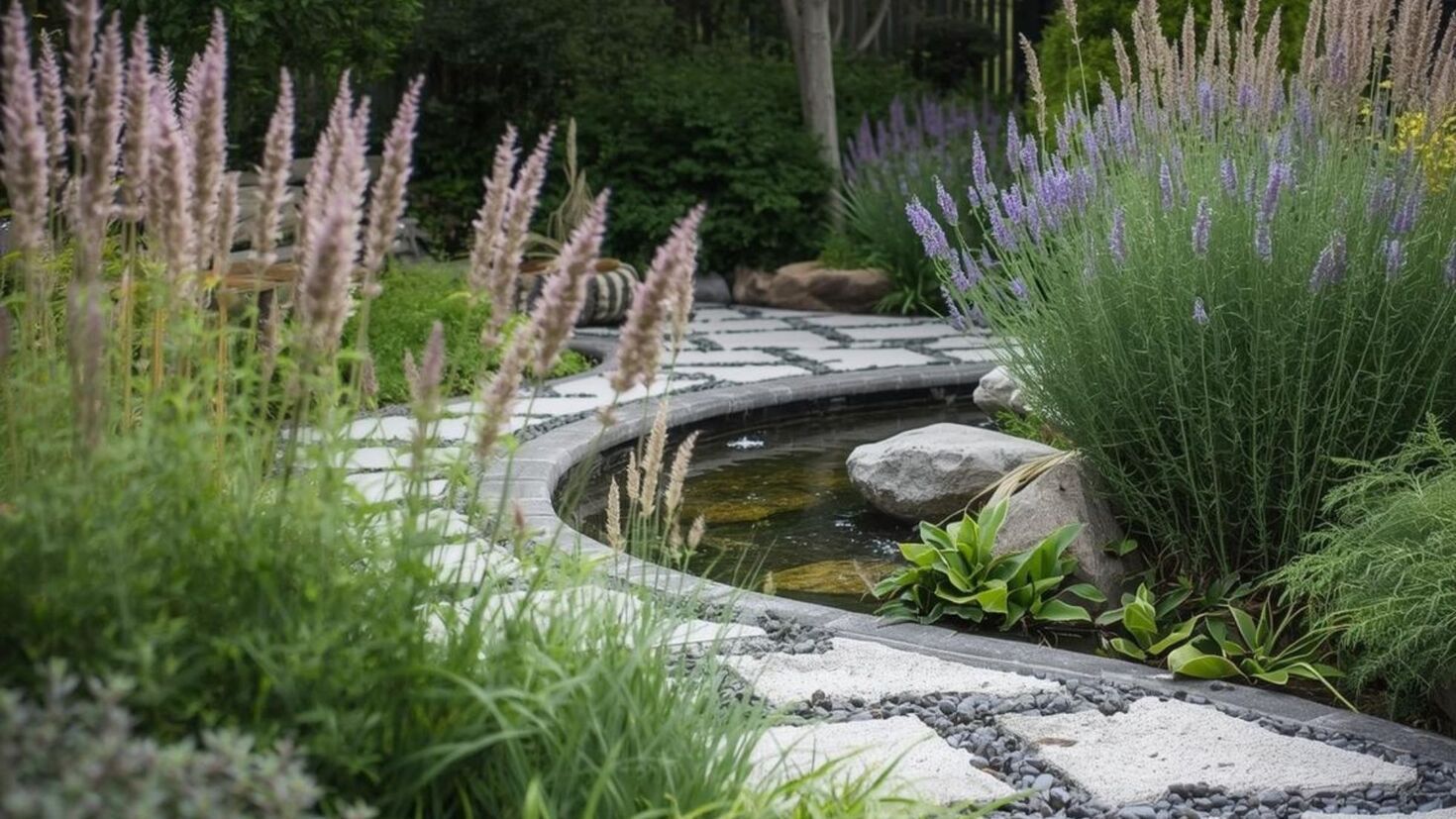
Wellness is the golden thread tying many 2026 trends together, gardens are becoming sanctuaries. In a stressful world, people seek restorative, grounded spaces that support mental and physical health.
Core features of a wellbeing garden:
- Calming, scented planting like lavender, thyme, jasmine
- Gentle water features or reflective pools
- Quiet nooks and seating areas
- Soft, natural lighting
- Sensory layers, long grasses, aromatic herbs, textured surfaces
Retail takeaway:
Fragrant plants, sensory garden products, water features, aromatherapy-friendly herbs, soft lighting, and comfortable seating will be in high demand.
The Takeaway
2026 gardening is abundant, emotional, and deeply connected to nature. These trends reveal a desire for beauty with purpose; gardens that nurture wildlife, delight the senses, and tell personal stories. From maximalist borders to resilient planting and sculptural foliage, gardens in 2026 are setting up to be more expressive and alive than ever.
Spring Fair 2026 returns to NEC Birmingham from 1st–4th February 2026, bringing together the UK's most influential retail community. Connect with over 38,000 buyers, discover 1,500+ suppliers, and explore the future of retail. Moda is now an integral part of Spring Fair, uniting the fashion community and showcasing the best in apparel, footwear, and accessories.