
)
From the Merchant's Corner | Spring Fair 2026
With 85% of UK consumers saying they want more independent businesses on their high streets, the case for bricks-and-mortar retail has never been stronger, or more urgent. At this year's Spring Fair, one of the standout sessions at the Merchant's Corner brought together some of the UK's most resilient independent retailers to talk honestly about what it really takes to build a shop that people genuinely want to support.
Panellists included Priya, owner of Lark London, a family lifestyle retailer with over 20 stores across London and Surrey. And Niloufar and Terry, co-founders of Jumping Bean, a gift and lifestyle shop with five locations across South and Southeast London. Between them, they've been trading for close to 50 years. And they're still growing.
Know Your Community Before You Sign a Lease
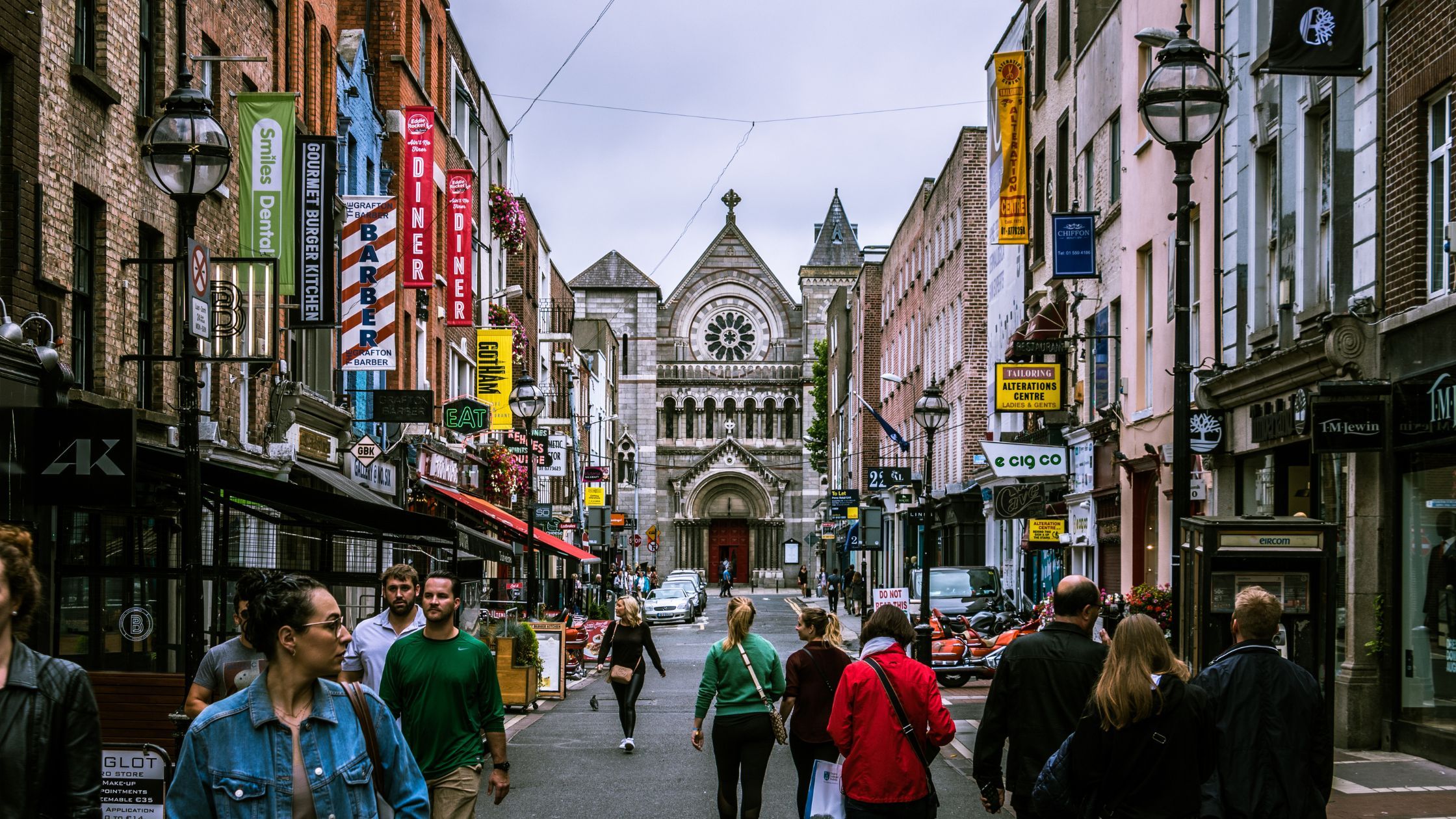
Ask either business how they choose a new location and you won't hear talk of footfall data or catchment analysis. You'll hear about sitting outside a potential unit and watching who walks past. Visiting the local schools. Going at different times of day and simply feeling whether a place is right.
"There's very little data crunching," said Niloufar. "We normally sit outside where we think the shop unit is available and we just stare for a few hours and we just see everyone that walks past and we're like oh this could work or this wouldn't work. I think actually it's probably as basic as that and a lot of it is our gut intuition."
That instinct, honed over decades of trading close to where they live, has served both businesses well. Both Lark London and Jumping Bean started in their own neighbourhoods, near where their children went to school, near where they understood the community, and have grown outward from there, choosing locations that feel like natural extensions of the communities they already know.
For independent retailers considering expansion, it's a reminder that your greatest competitive advantage isn't a spreadsheet. It's local knowledge. It's understanding the difference between a high street that looks quiet and a high street that is quiet, and knowing whether the people who live nearby actually want what you're selling.
This people-first approach is something no wholesale catalogue or data model can replicate, and it's a key reason why independent retail is proving so resilient even in difficult economic conditions.
Price Accessibility Is a Power Move, not a Compromise
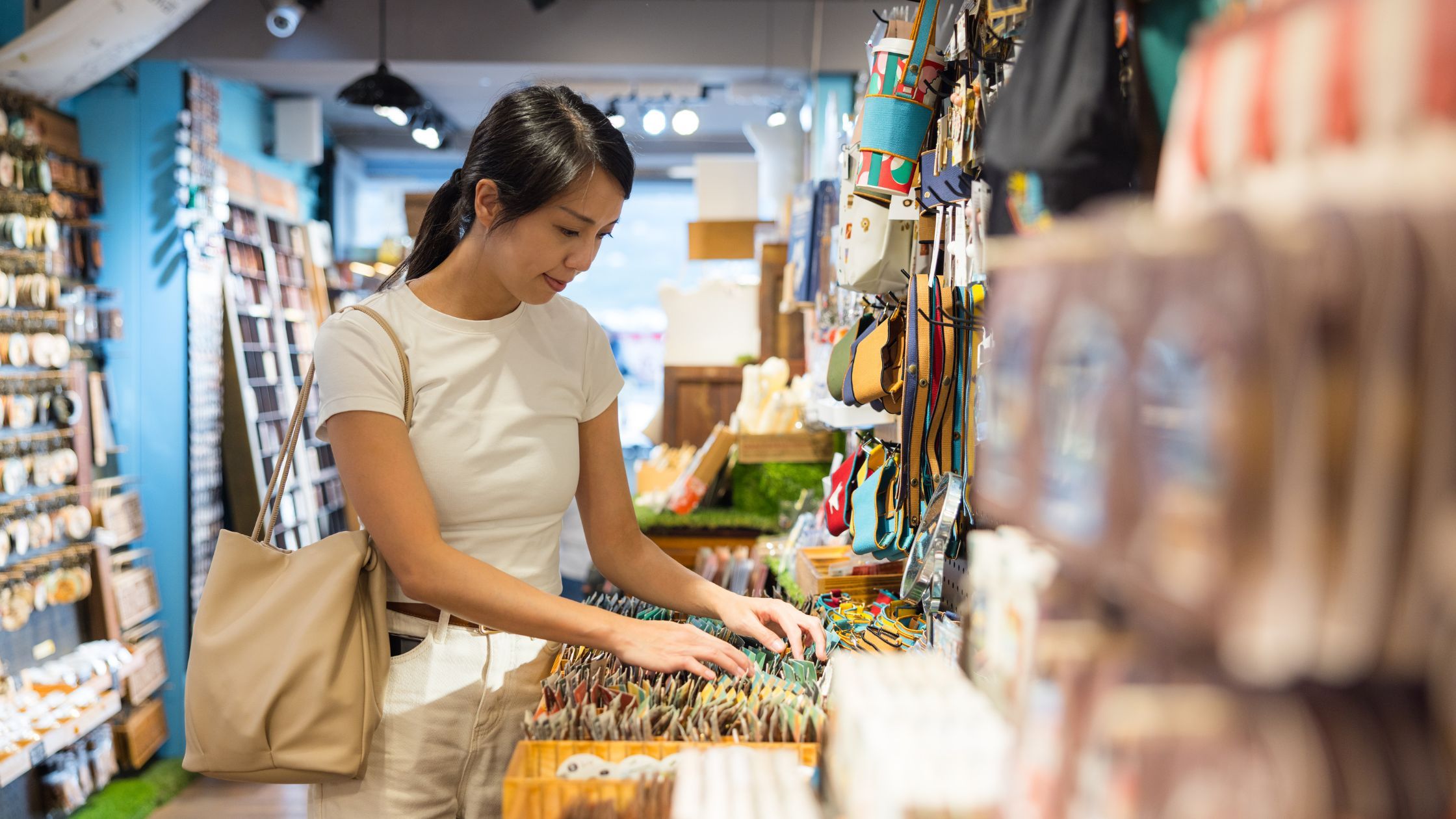
One of the most striking insights from the panel came from Priya, who described how Lark London consciously shifted its model to serve customers across multiple price points, entry, middle, and high, after she realised that as a teacher herself, she couldn't afford to shop in her own store.
"I'm unable to be a customer in our store. And I said, that's quite unfair," she told the audience. "We changed our kind of business model so it would be for people of all incomes, and that's kind of where our business model lies now."
The result is a business where someone can come in and spend a few pounds on a greetings card or considerably more on a homeware piece, and feel equally welcome doing either. In a climate where consumers are more careful with their spending but still hungry for the joy of physical shopping, that accessibility is a genuine differentiator.
Niloufar and Terry echoed the sentiment: "100%. It's really important to give everyone accessibility into our shops. Especially with the current sort of climate out there, someone can come in and spend two pounds or right up the scale. We cover all sorts of bits of the market."
For retailers sourcing across categories, whether that's wholesale greetings cards, wholesale housewares, or wholesale gift shows, building in a genuine range of price points isn't just good customer service. It's a commercial strategy that widens your addressable market significantly.
Your Superpower Is Speed
Terry made a point that every retail buyer in the room should take note of: the biggest operational advantage an independent has over a multiple is the ability to buy close to the season.
"The seasons are so unpredictable," he said. "So if you went into spring and it started early, you can literally buy the right products to fit into that moment if you're allowing yourself the freedom to say, right, okay, I'll be spontaneous and I will purchase according to the weather."
Multiples are locked into buying cycles months in advance. Independents can respond to a warm March, a particularly hot summer, or a sudden trend in what customers are talking about. That agility, the ability to walk a retail trade show, spot something relevant, and have it on the shelf within weeks, is something the big brands spend millions trying to replicate and never quite manage.
It's one of the central reasons why events like Spring Fair continue to grow in importance as a wholesale trade show for independent retailers. The show isn't just about products. It's about staying close enough to the market that you can react faster than your competition. Whether you're a clothing trade show regular sourcing for a fashion boutique, a homeware trade shows buyer, or picking up new lines for a garden centre gift shop, that responsiveness is the edge you can't outsource.
Community Isn't a Marketing Strategy, It's the Business
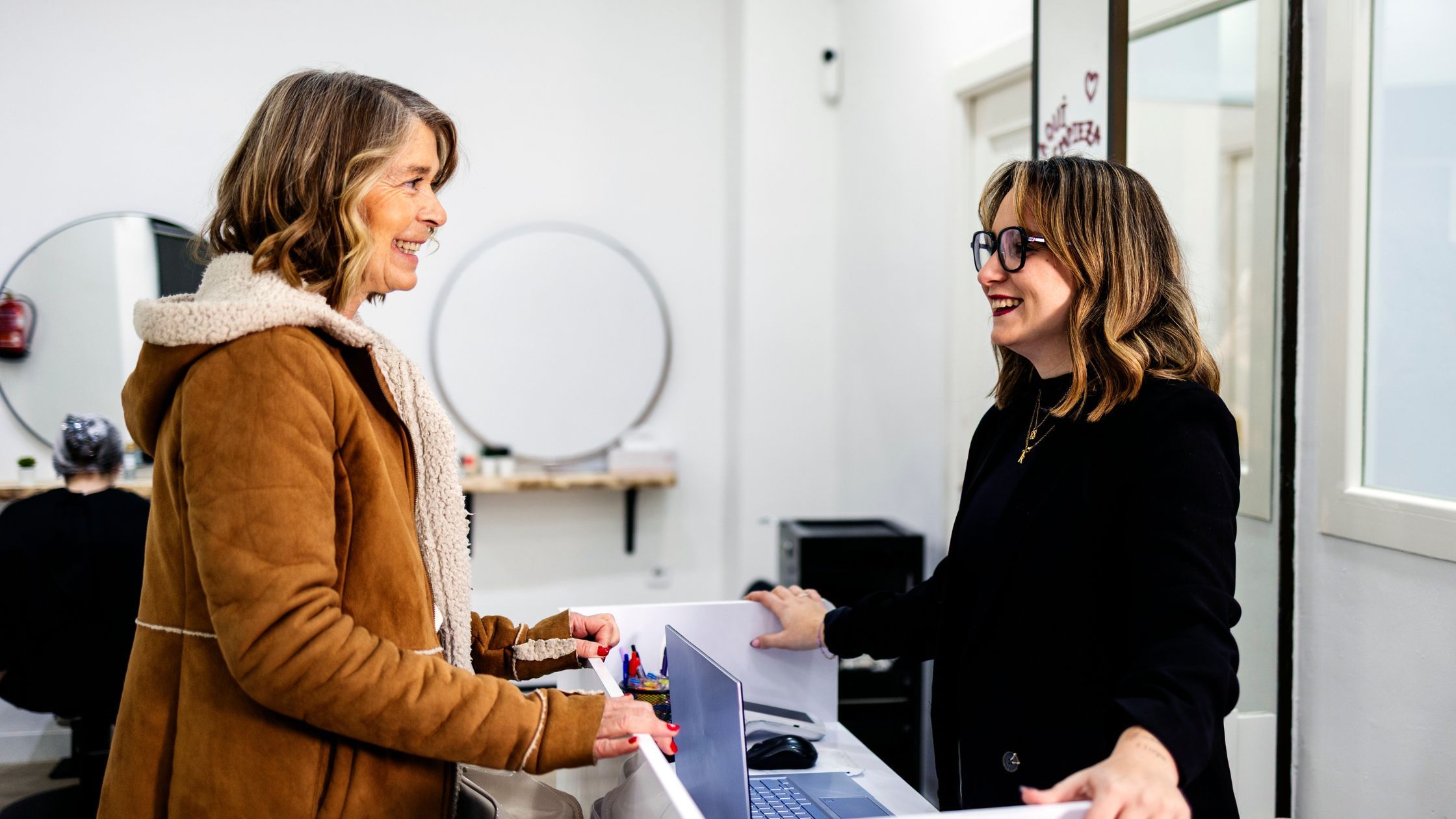
Perhaps the most consistent theme across the entire session was community. Not community as a buzzword, not community as a social media campaign, but community as the actual operating philosophy of a thriving independent.
Both businesses described actively engaging with neighbouring shops, going in to see how they're doing, sharing advice, collaborating on events, staying open late together at Christmas. Terry talked about speaking to landlords directly when a unit comes up, making the case for why bringing in a complementary business would improve the whole street's offer.
Priya put it plainly: "Every bit of the high street now to me is like its own little village. As much as you work in your own shop, you have your shop and you focus on yourself, it's really important that everyone else around you is sort of complementing you. So I'll go into other shops and just see how they're doing, give them advice if I can or take advice from them and just so we're all working together."
This extends to the in-store experience itself. Both businesses are run by people who are physically present on the shop floor, cleaning, unpacking, serving customers, observing what's working. Priya described how all management at Lark London are required to work on the shop floor throughout December, because there's no other way to truly understand what you've implemented across your stores.
In an era where ecommerce tech news is dominated by AI personalisation tools and algorithmic recommendations, there's something quietly radical about the idea that your most important data source is simply being in the room.
The Endorphin Economy: Why Physical Still Wins
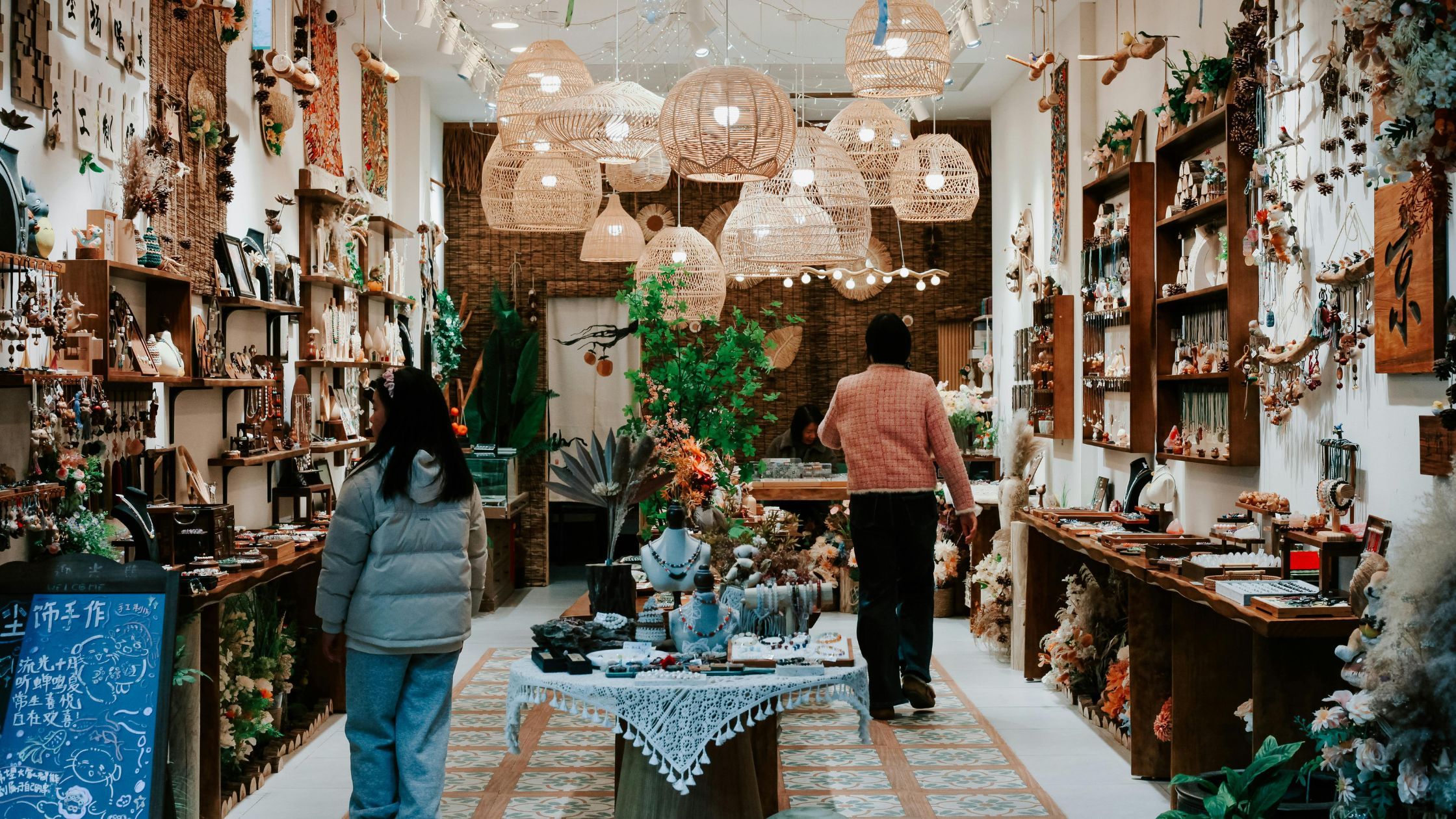
There was a moment in the panel that captured something important. When asked about the future of physical retail in the face of online competition, Priya was unequivocal: "Never forget, endorphins are released when you feel good. And if you go into a shop and you pick up something and you're made to feel good in that space, that feel good factor, they'll come back."
Walking into a well-merchandised shop, being welcomed by someone who actually knows their product,these experiences create something that a returns page and a next-day delivery slot simply cannot. Sustainable retailers who understand this aren't just selling products; they're selling a feeling.
Niloufar reinforced the point: "The amount of times we've all wanted to bash our head on a brick wall when we can't get through to someone or your email's not responded to. Call me old school, but I like the store where you can go and you can talk to someone who's a real person and see them physically. I think that still goes a long way and that's where physical stores will survive. I'm totally confident that online cannot give what humans give by being physically present."
It's also why retail expos, trade show news, and wholesale wellbeing conversations all come back to the same point: the strength of independent retail is relational, not transactional.
Practical Takeaways from the Panel
The session closed with questions from the floor, including a thoughtful contribution from a retailer in the process of converting a coffee shop into a gift retail space. The panel's response was pragmatic and generous: think carefully about your neighbourhood's existing offer, and whether your presence adds something genuinely new. As Priya noted, the key question is always what unique selling point you're bringing, and whether you're creating a reason for people to come to you that nobody else on that street is providing.
Here are the practical principles that ran through the whole conversation:
Be present. Whether you have one store or twenty, showing up in person, on the shop floor, on the high street, at trade shows for retailers, is how you stay close enough to your customers to actually serve them.
Be accessible. Price point breadth isn't a compromise. It's an invitation. More people through your door means more loyalty, more word of mouth, and more resilience when spending tightens.
Be fast. Use your independence to buy closer to the season, react to trends quickly, and stock things the multiples haven't caught up with yet. This is your structural advantage: don't give it up by planning too far ahead.
Be part of something. The most successful independent retailers in this session weren't operating in isolation. They were connected to their high streets, their peer networks, and the broader community of people who care about independent retail surviving.
Be at the show. Spring Fair remains the UK's leading retail showcase for independent buyers, bringing together wholesale gift shows, apparel trade shows, homeware trade shows, and more under one roof. If you want to see what's next, and buy it before your competitors do, this is where you need to be.
Spring Fair returns in 2027. Register your interest to visit Spring Fair and stay ahead of the trends shaping independent retail in the UK.