
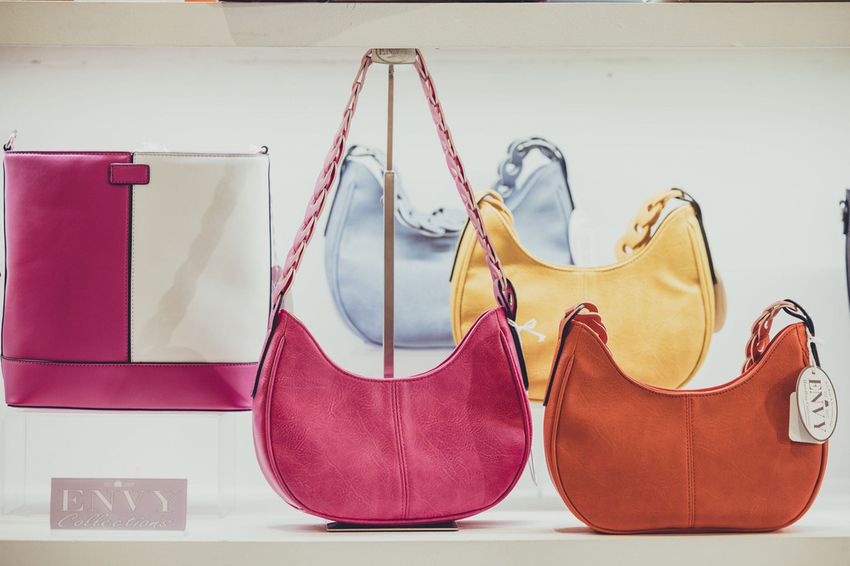
British shoppers are still spending on fashion in 2026, but they are spending with more care. The retailers pulling ahead offer clear value, quality that lasts and a reason to visit in person. Here are the numbers, trends and turning points shaping UK fashion this year, and what they mean for your buying plans as you head towards Spring Fair 2027.
Market overview: a big market with a bumpy year
The UK apparel market was worth around £66.7 billion in 2025, according to Statista estimates reported by Business Gateway. Women's apparel is the biggest segment at £36.6 billion, followed by menswear at £19.9 billion and children's at £10.2 billion.
Clothing is also the most digital corner of UK retail. ONS data for April 2026 puts online at 29.3% of clothing sales, against roughly 28% of retail overall, so every range needs to work on a phone screen as well as on the shop floor.
The sales picture has been uneven. Clothing store sales fell 2.4% in April, then rose 1.9% in June as discounts and hot weather lifted demand. September was weaker. Clothing ranked tenth among retail categories in the BRC-KPMG Retail Sales Monitor, down from fourth in August, as unseasonably warm weather held back autumn buying. Total retail sales grew 1.3% year on year, and non-food just 0.3%.
What this means for buyers: weather can swing a month either way, so ranges that work across seasons and suppliers who can restock quickly are worth more than ever.
Household spending and jobs: more to spend, shared unevenly
UK households spent an average of £676.60 a week in the year to March 2025, up 9% on the year before and 5% after inflation, according to the ONS Family Spending release published in June 2026. The gap between households is widening. The richest fifth spent £1,083.60 a week, 2.7 times the £407.30 spent by the poorest fifth.
Clothing shows the split clearly. Since the year to March 2023, the richest fifth now spend £5.30 a week more on clothing and footwear (up 23%), while the poorest fifth spend £0.90 a week less (down 8%).
Shopper intentions point the same way. A Cotton Council International and Cotton Incorporated survey found that 73% of UK consumers plan to buy higher-quality, longer-lasting clothes in 2026, and 60% feel optimistic about the year ahead, up from 48% in 2023. The practical takeaway is to range for both ends: considered pieces for shoppers with room to spend, and sharp everyday value for those watching every pound.
The pressure on the retailers you sell to is real. By June 2026 there were 2.75 million retail jobs, with 122,000 lost over two years and part-time roles at their lowest on record. The British Retail Consortium (BRC) estimates that retail employment costs have risen by £6.5 billion over that period, driven by employer National Insurance changes and two above-inflation National Living Wage increases. Retailers are watching every pound of margin, which makes strong sell-through and fast-moving product more valuable to them.
The trends that defined UK fashion in 2026Quality over quantity, with sustainability built inSustainability is now a baseline expectation rather than a bonus. Mintel's 2025 research found that three in five Britons see sustainability as important when buying fashion. What shoppers do about it is practical. In the Cotton Council International survey, comfort (74%) and quality (69%) were the top reasons to buy, ahead of durability (47%) and environmental benefits (43%).
For brands, the winning message is to lead with what lasts, such as fabric, fit and repairability, because that is what shoppers say they want. Read more on the future of sustainable retail.
Resale goes mainstream
Second-hand is no longer a side channel. Research by OC and C Strategy Consultants values the UK second-hand fashion market at more than £7 billion, with nearly one in four fashion transactions involving resale and around 30% of UK adults buying second-hand clothing. Vinted now has more than 17 million UK users and ranks as the UK's third-largest fashion retailer by customer numbers. An analyst quoted in the same report says resale is responsible for all the volume growth in apparel.
Brands are responding. Zara has launched Zara Pre-Owned, which lets customers resell, repair or donate clothing. The report warns that physical retail risks losing relevance in second-hand as platforms capture the volume, so brands that build resale, repair or take-back into their offer keep a share of that spend and a relationship with the shopper. Globally, ThredUp expects resale to reach £217 billion this year, up 12% on 2025.
Online, social and AI: useful when they save shoppers effortWith nearly three in ten clothing sales now online, discovery is where the competition is. MediaVision's analysis of Q4 2025 search behaviour found that Primark, Vinted and Next recorded the strongest growth in share of brand search, a sign that shoppers are looking for value and resale. The same analysis points to slower e-commerce growth, higher fulfilment costs and more expensive paid search, which makes organic brand strength more valuable.
Social is a growing route to purchase. Unbox and Retail Economics expect UK annual non-food social commerce sales to reach £9.1 billion, driven by Gen Z's reliance on creators and social platforms.
AI is a more cautious story. According to e-commerce platform SCAYLE's UK fashion trends review, UK shoppers are open to AI in fashion only when it is optional and offers real value. For a closer look at the tools retailers are trying, read about AI-powered styling assistants.
The high street: fewer visits, so every visit counts
Footfall has been soft all year. UK retail footfall fell 2.9% in September compared with a year earlier, worse than August's 1.7% fall, according to BRC-Sensormatic data. Shopping centres fell 3.5%, high streets 3% and retail parks 1.7%. Northern Ireland was the only UK nation to grow, up 2.1%. In June, record-breaking heat pushed high street footfall down 6.2%.
The BRC has asked the Government to avoid another business rates rise in the Autumn Budget, arguing that retailers need room to invest in stores, keep prices down and support jobs.
With fewer people through the door, stores that give shoppers a reason to come in, such as styling help, events and product they cannot find online, have the best chance of turning each visit into a sale. For ideas, see Retail Makeover Mission, episode 1.
Looking ahead to 2027
UK fashion heads into 2027 with shoppers who are cautious but still spending. The Autumn Budget will shape retailer costs, and the brands that come out ahead will pair value with quality, build resale into their offer and give shoppers a reason to visit in person. This year has shown that UK fashion is about strategy and resilience as much as style.
Spring Fair 2027 returns to the NEC Birmingham from 7 to 10 February 2027. Meet 38,000+ buyers, discover 1,500+ brands across home, gift and fashion, including Moda Fashion, and see what's next in retail. The show is open 9:00 to 18:00 from Sunday to Tuesday and 9:00 to 16:00 on Wednesday. Register to visit.