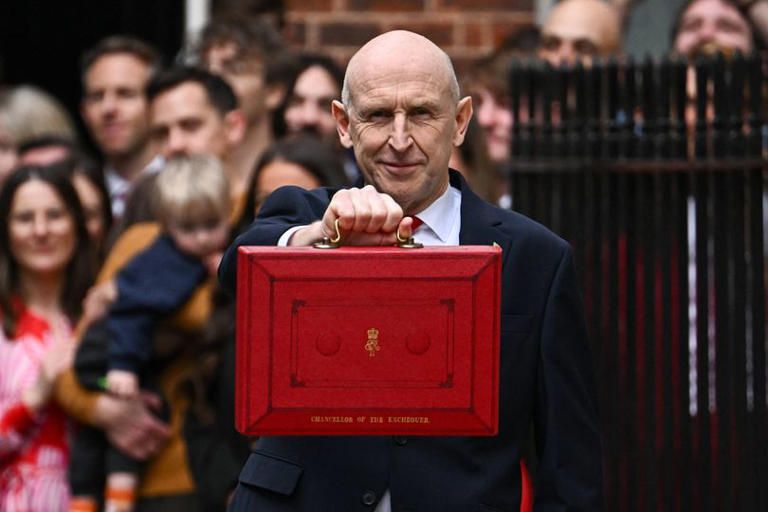
The UK Autumn Budget 2026 has introduced new measures aimed at easing pressure on businesses and households, with important implications for retailers and the future of the high street. Announced on 28 October by Chancellor John Healey, the Budget includes changes to business rates, an increase in the National Living Wage, support with household energy costs and changes to import tariffs on selected products. These measures could influence everything from the cost of running a physical store to the amount consumers have available to spend.
For retailers planning for 2027, understanding which announcements could affect their business will be essential. Here are the key takeaways from the UK Autumn Budget 2026 and what they could mean for retail and the high street.
The Autumn Budget 2026: Key takeaways for retailers
-
Business rates: Around 70,000 additional retail, hospitality and leisure businesses in England are expected to be taken out of business rates through expanded relief.
-
Employment costs: The National Living Wage will rise to £13.21 an hour from April 2027.
-
Consumer spending: Household energy support could leave some consumers with more money for discretionary purchases.
-
Import tariffs: Tariffs on more than 100 food and drink products will be temporarily removed, potentially reducing costs for businesses and consumers.
-
Transport costs: The 5p fuel duty cut will be extended to July 2027, offering continued support for motorists and businesses reliant on road transport.
1. Business rates: A boost for eligible high street businesses
Business rates are one of the most significant fixed costs facing retailers with physical premises. For independent shops operating on tight margins, changes to rates can influence everything from investment in store improvements to decisions about whether to expand. The Autumn Budget introduces an expanded Small Business Rate Relief threshold for qualifying retail, hospitality and leisure properties in England. From April 2027, the threshold for 100% relief will increase from £12,000 to £18,000, while the threshold for tapered relief will rise from £15,000 to £21,000.
The government expects this change to take around 70,000 additional businesses out of business rates altogether. It has also announced a two-year real-terms freeze on business rates bills for qualifying retail, hospitality and leisure properties in 2027–28 and 2028–29.
According to the government, the combined package means that around half of retail, hospitality and leisure properties in England will pay no business rates. Retailers can read the full details in the official Budget 2026 document.
What it means for retail: For eligible independent retailers, reduced business rates could free up money for stock, recruitment, marketing or store improvements. More predictable costs could also help businesses plan ahead and provide some breathing room in a challenging trading environment. The benefit will vary depending on a property's rateable value and eligibility, so retailers should check their individual circumstances before factoring potential savings into budgets.
2. National Living Wage: What higher pay means for retailers
From 1 April 2027, the National Living Wage for workers aged 21 and over will increase by 3.9%, rising to £13.21 an hour. The National Minimum Wage for workers aged 18 to 20 will also rise by 3.9%, to £11.27 an hour. The government estimates that the National Living Wage increase will add £910 to the gross annual earnings of a full-time worker earning the current minimum rate. The confirmed rates are available through the government's National Minimum Wage and National Living Wage guidance.
For retailers, the increase brings a balance of considerations. Higher pay supports employees' incomes, but it can also increase staffing costs for businesses that employ large shop-floor teams, warehouse workers and customer service staff.
What it means for retail: Retailers will need to account for higher wage bills when planning for 2027. For independent businesses with limited flexibility on pricing, the increase could put additional pressure on margins. Reviewing staffing budgets, rotas and recruitment plans will help businesses prepare, while investment in training and employee retention can help maintain the customer experience that encourages shoppers to return.
3. Household energy support: Could consumers spend more on the high street?
The Budget includes measures designed to ease household energy costs, including extending the temporary VAT reduction on domestic electricity bills until 1 July 2027. The government expects the extension to reduce the annual Ofgem price cap by around £50 in April 2027. It has also announced a £100 Household Energy Payment for eligible households in council tax bands A to D in England, with funding for similar support across the devolved nations.
These are household support measures rather than direct subsidies for retailers. However, they could have an indirect effect on the retail sector by easing pressure on household budgets. The measures are detailed in the government's Autumn Budget announcement.
What it means for retail: When households spend less on essential bills, some may have more flexibility to spend on non-essential purchases. This could benefit categories such as homeware, gifts, garden products and lifestyle goods. However, additional household income does not automatically translate into increased retail spending. Consumer confidence, debt, savings priorities and wider living costs will all influence how people use any money saved. For retailers, monitoring sales trends and customer demand will be important when planning product ranges and promotions for the year ahead.
4. Import tariffs: What changes could mean for product costs
The Autumn Budget announces the temporary removal of tariffs on more than 100 food and drink products imported into the UK. The measures include products such as baked beans and chocolate and are intended to help reduce costs for consumers.
The government estimates that the wider package of food tariff suspensions, including earlier measures, could reduce consumer costs by £245 million to £595 million a year. The new suspensions are expected to remain in place for two years.
The policy is particularly relevant to food retailers and businesses selling affected products. Its impact on other retail categories will be more limited, and savings will depend on the products a business imports and its supply arrangements. Further information is available in the official Budget 2026 document.
What it means for retail: Businesses selling affected food and drink products could benefit from lower import costs, depending on how savings are passed through the supply chain. This may create opportunities to protect margins or offer more competitive prices. Retailers should speak to suppliers and review the products covered by the changes before adjusting pricing or purchasing plans.
5. Fuel duty: Continued support for transport and deliveries
The Chancellor has extended the existing 5p-per-litre fuel duty cut for a further six months and deferred the planned inflation-linked increase until 1 July 2027. While fuel duty changes affect motorists more broadly, they are also relevant to retailers that rely on road transport to move products between suppliers, warehouses and stores.
The government estimates that its fuel duty decisions across this Parliament will leave fuel prices lower than they would have been under the previous government's plans. However, actual transport costs will continue to depend on fuel prices, logistics contracts and other operating expenses. The details are set out in the Autumn Budget 2026 announcement.
What it means for retail: Extending the fuel duty cut could help limit one source of cost pressure for businesses involved in deliveries and distribution. However, it does not guarantee lower transport costs or automatically translate into lower delivery prices for customers. Retailers should continue to monitor logistics costs and review delivery arrangements as part of their wider financial planning.
What does the Autumn Budget 2026 mean for the future of the high street?
The Budget offers targeted support for eligible high street businesses, alongside measures that could influence employment costs, household spending and the cost of selected imported products. The expansion of business rates relief is particularly significant for qualifying retailers in England, with the potential to reduce overheads and give some businesses more room to invest. At the same time, the National Living Wage increase means employers will need to plan carefully for higher staffing costs. Household energy support could also help ease pressure on consumers, although any resulting increase in retail spending remains uncertain.
Ultimately, the impact will differ between businesses. Retailers should review the measures that apply to their operations, update financial forecasts and look for opportunities to strengthen margins and respond to customer demand. Beyond the Budget, the long-term strength of the high street will depend on retailers continuing to offer compelling products, engaging shopping experiences and reasons for customers to visit physical stores.
Discover what's next for retail at Spring Fair 2027
As retailers plan for the year ahead, understanding the economic outlook is only part of preparing for success. Discovering new products, meeting suppliers and identifying emerging trends will also be important for businesses looking to remain competitive. Taking place from 7–10 February 2027 at the NEC Birmingham, Spring Fair brings together retailers, brands and suppliers from across the industry. From exploring new product ranges to building valuable supplier relationships, Spring Fair offers an opportunity to find inspiration, discover commercial opportunities and plan for the next buying season.