
)
From online shopping to changing product trends, there's no denying that the pandemic has caused a paradigm shift in the way consumers shop and what it is they're looking for. But whilst it's easy enough to see that there has been a change, unpacking exactly what that changes means for retail is a little more complicated. That's why we've done it for you, with 5 of the key consumer priorities that you should know about…
#1 Convenience
The rise of ecommerce has ushered in a new era of convenience culture where near-instant gratification is sought after. As many more shoppers have climbed aboard the online train during the pandemic, a new mentality has been formed within the post-pandemic population: the quicker and easier, the better. Since old habits die hard, the exponential growth in ecommerce and convenience shopping is something all retailers should be watching closely.
#2 Health and safety
After over a year of being in lockdown, it shouldn't come as a shock to hear that consumers are now more aware of health and safety than ever. We've all internalised messages of sanitation and hygiene, and that mentality will take a while to shift. For retailers, this means being explicit about exactly what you're doing to keep your shop and your products clean and safe.
#3 “Ins-perience”
As shoppers have spent more time in their homes, an almost agoraphobic mentality has built up and there is still a sense of unease about re-entering the world. Whilst the crisis has been abated in recent weeks, consumer mentality may take a while to catch up. We've seen a huge rise in demand for domestic entertainment, such as games, puzzles, crafts and at-home dining, and even with the economy opening back up, many consumers will still seek out those at-home experiences for the foreseeable future.
#4 Product availability
The pandemic has vastly changed what shoppers look for from brands and products. A survey carried out by Bazaarvoice found that whilst price and quality have remained in the top three consumer priorities, brand loyalty was displaced by availability during the pandemic, with shoppers more focused on getting the product rather than buying into the brand.
#5 Spend less, spend better
Value has always been a key consumer priority, but this has only been intensified by the pandemic. As many consumers have experienced job losses, pay cuts and new financial strains, the way value is perceived has changed. Of course, consumers will always want high quality products for lower prices, but there are some interesting shifts coming through in terms of what value means. Movements like Shop Local have intensified consumers' ties to their community and their desire to support their local economy. Meanwhile upped social media usage has deepened consumer conscience with many now looking for value in terms of social or environmental responsibility.
Don't forget, our sister show, Autumn Fair will be returning to the NEC Birmingham on 5-8 September 2021. Head to the Autumn Fair website to register your interest or apply for a stand.
More from Spring Fair...
-
SPRING FAIR RE-LAUNCHES THE SUMMERHOUSE AS ‘THE SUMMER HOUSE: HOME, GIFT & LIFESTYLE EDIT'
06 Dec 2024Spring Fair, the UK's leading Home, Gift, and Fashion trade show, proudly announces the re-launch of The Summerhouse destination, now reimagined as The Summer House: Home, Gift & Lifestyle Edit creati ... -

Who is Trendhub by BDA London?
05 Dec 2024The ready-to-buy trend division of BDA London. Trendhub is smart forecasting that combines the what, the how, and - most importantly - the why of the season.
-

The Royal Albert Hall became a beacon of style, culture and innovation as it hosted the British Fashion Awards 2024, presented by Pandora. The event, organised by the British Fashion Council (BFC), brought together the industry's leading lights to celebrate a year of transformative achievements in fashion. From groundbreaking wins to show-stopping performances, the night was all about power of creativity and inclusivity.
-
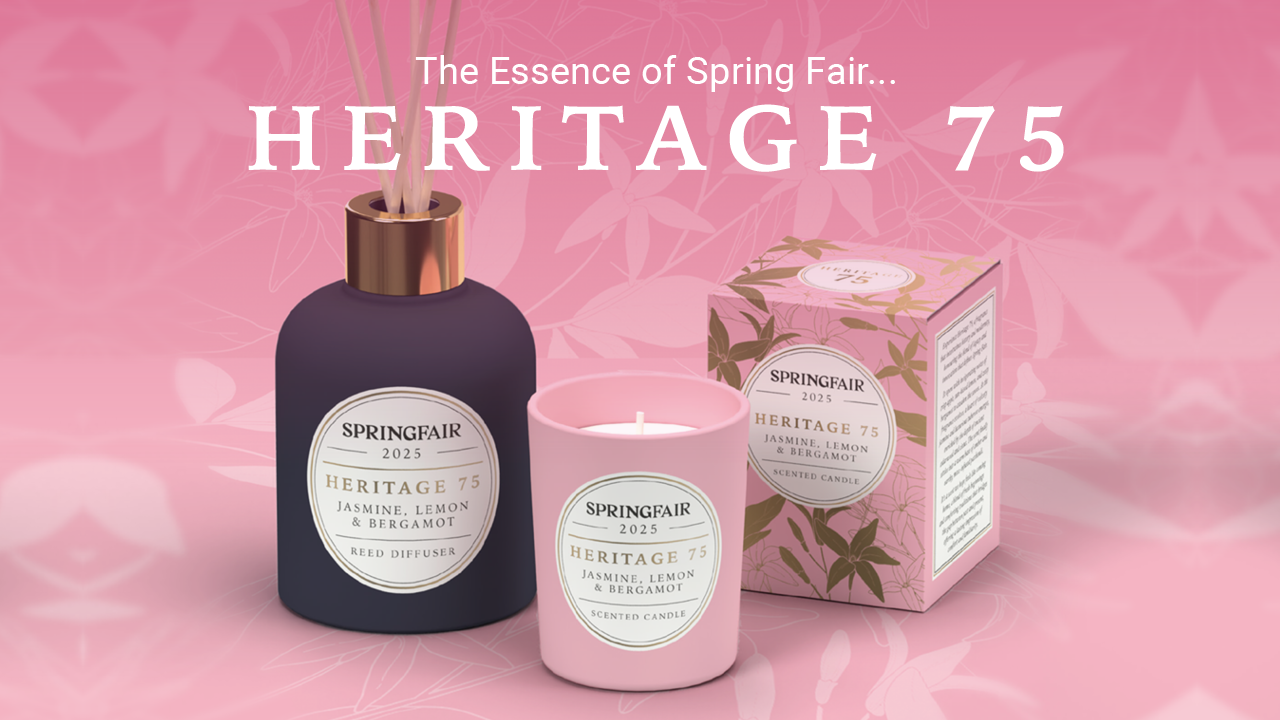
Spring Fair Celebrates 75th Anniversary with Launch of Signature Fragrance ‘Heritage 75'
27 Nov 2024Spring Fair, the UK's leading Home, Gift and Fashion trade show, is proud to announce the launch of its exclusive signature fragrance, Heritage 75, created to commemorate the show's 75th anniversary. The scent, crafted in collaboration with fragrance experts Quintessence Fragrances and design partners Sebnini, will debut at the 2025 edition of Spring Fair, bringing a multisensory dimension to the event and celebrating its legacy of innovation, creativity, and connection in the retail industry.
-

Scent marketing, also known as ambient fragrance, is a strategic approach used by retailers to enhance the customer experience and strengthen brand identity through the use of specific scents. By diffusing a carefully chosen fragrance throughout a store, businesses can evoke emotions, trigger memories, and create a memorable atmosphere that resonates with customers. This sensory experience can influence shoppers' moods and behaviours, encouraging them to spend more time in the store and building brand loyalty. Scent marketing leverages the powerful connection between smell, memory, and emotion, making it a valuable tool in creating immersive and engaging retail environments.
-
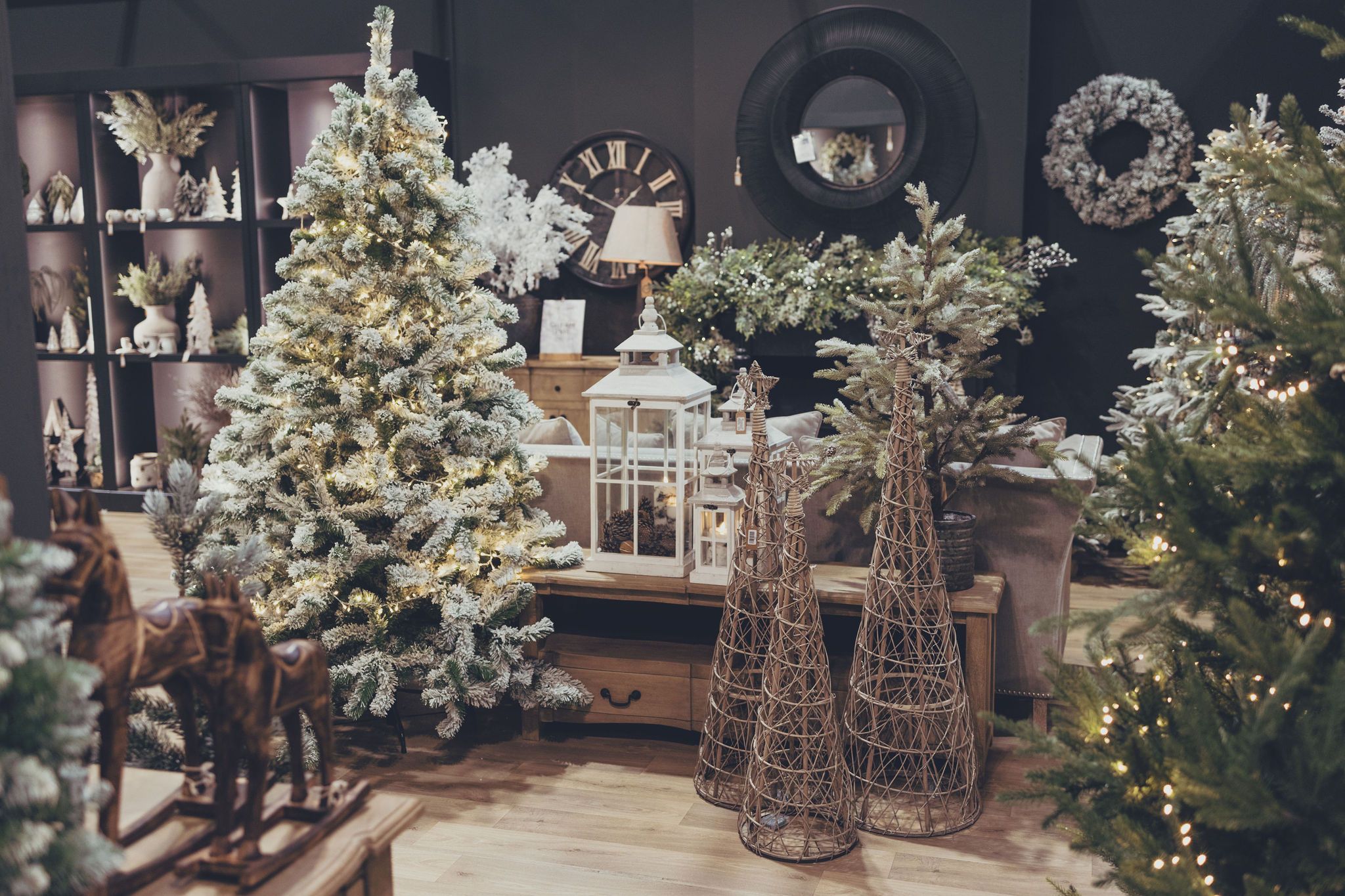
10 Strategies for Maximising Seasonal Sales
19 Nov 2024Periodic spikes, often tied to holidays like Christmas, Valentine's Day or cultural events like New Year's Eve, create lucrative opportunities for businesses to capitalise on heightened demand. But standing out amidst competition during these periods demands more than just clever marketing.
-

The Autumn Budget 2024, presented by Chancellor Rachel Reeves under the new Labour government, introduced a series of changes that will affect small businesses across the UK. The measures aim to boost economic stability, infrastructure investment, and growth across various regions. Here's a breakdown of the key announcements and how they may impact small business owners.
-
 I'm Laurie Morgan, the Marketing Manager at Quintessence Fragrances. With over 15 years of industry experience in product development and creative marketing, I specialise in driving growth and innovat ...




Featured Articles
- 1 Sell internationally with ease on the e-marketplace Fruugo
- 2 Everything you need to know to export to the US
- 3 The 5 big ecommerce retail trends of 2017 and planning for 2018
- 4 Get the funding you need to win, fulfill and insure contracts
- 5 How Champion and Reeves are achieving success exporting to the USA