
)
We now live in an era where physical retail is constantly forced to evolve and adapt amongst e-commerce, one format has emerged as a powerful tool for brands seeking to connect with consumers in meaningful, memorable ways: the pop-up shop.
Far from being a fleeting trend, pop-ups have become somewhat of a strategic cornerstone of modern retail, offering brands the flexibility to test markets, create social media buzz, and deliver immersive experiences without the long-term commitment of permanent locations.
A Format That's Here to Stay
32% of brands say they'll be establishing or expanding their use of pop-up and in-person experiences in the next year.
But what makes pop-ups so powerful? Unlike traditional retail, pop-ups provide brands with a low-risk, high-impact opportunity to create something special. They're not just about pushing products; they're about crafting experiences, building communities, and telling brand stories in ways that permanent stores simply cannot replicate.
Why pop-ups win now
- They convert and de-risk. Temporary retail generated an estimated $80bn last year and is projected to surpass $95bn in 2025; 80% of retailers who tried a pop-up called it a success, and 44% said setup cost under $5,000, a fraction of permanent fit-outs.
- They meet shoppers where they are, both physically and emotionally. UK retail centres saw average dwell times around 118 minutes this year, a clear sign that consumers still want IRL discovery when it's worth the trip, exactly what limited-time concepts deliver.
- They scratch the ‘experience' itch. KPMG's 2025/26 analysis flags experiential retail as a priority as brands use AI and design to personalise moments, pop-ups are the nimblest canvas for that.
Innovation in Action: 2025's Standout Activations
This year has showcased the incredible versatility of the pop-up format, with brands pushing creative boundaries to deliver experiences that resonate with today's experience-hungry consumers.
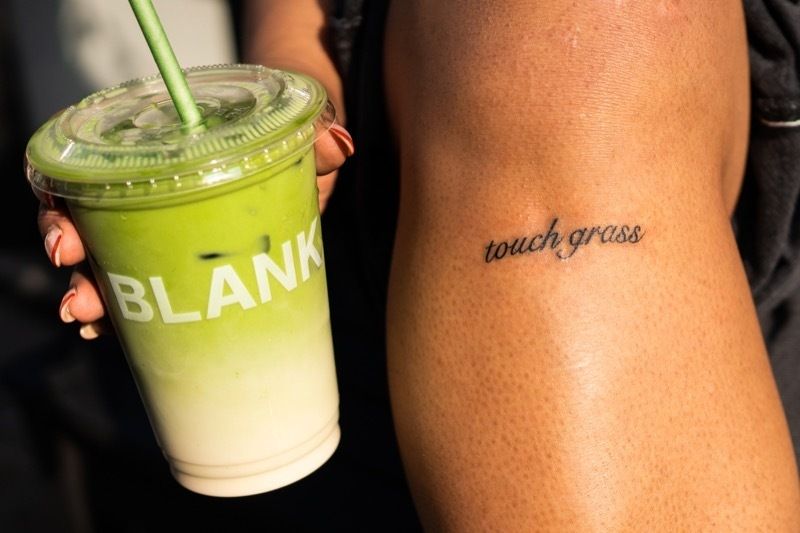
- Blank Street x The London Social. Blank Street are becoming known for their expertise in popups. One example is their one-weekend tattoo studio & matcha bar collaboration: hyper-local, ultra-shareable, and perfectly constrained to their audience.
- Le Creuset “Edition Limitée”. The cookware icon's first-ever London pop-up sold rare editions and collector pieces. It also offered complimentary engraving if customers spent over £150, proof that scarcity and craftsmanship still move queues.
- Thrive Street. Mary Portas curated a pop-up market of 15 indie brands, backed by Mastercard & Worldpay, an example of how multi-brand curation can lift discovery and PR.
- Topshop X John Lewis. A nostalgia-fuelled come-back via pop-ups ahead of a planned wider 2026 rollout, using temporary space to validate demand and reacquaint the brand with lapsed fans.
The Experience Economy Takes Centre Stage
The most successful pop-ups of 2025 have recognised that consumers are seeking more than products , they want immersion, interaction, and Instagram-worthy moments.
A star example of this is Jellycat.
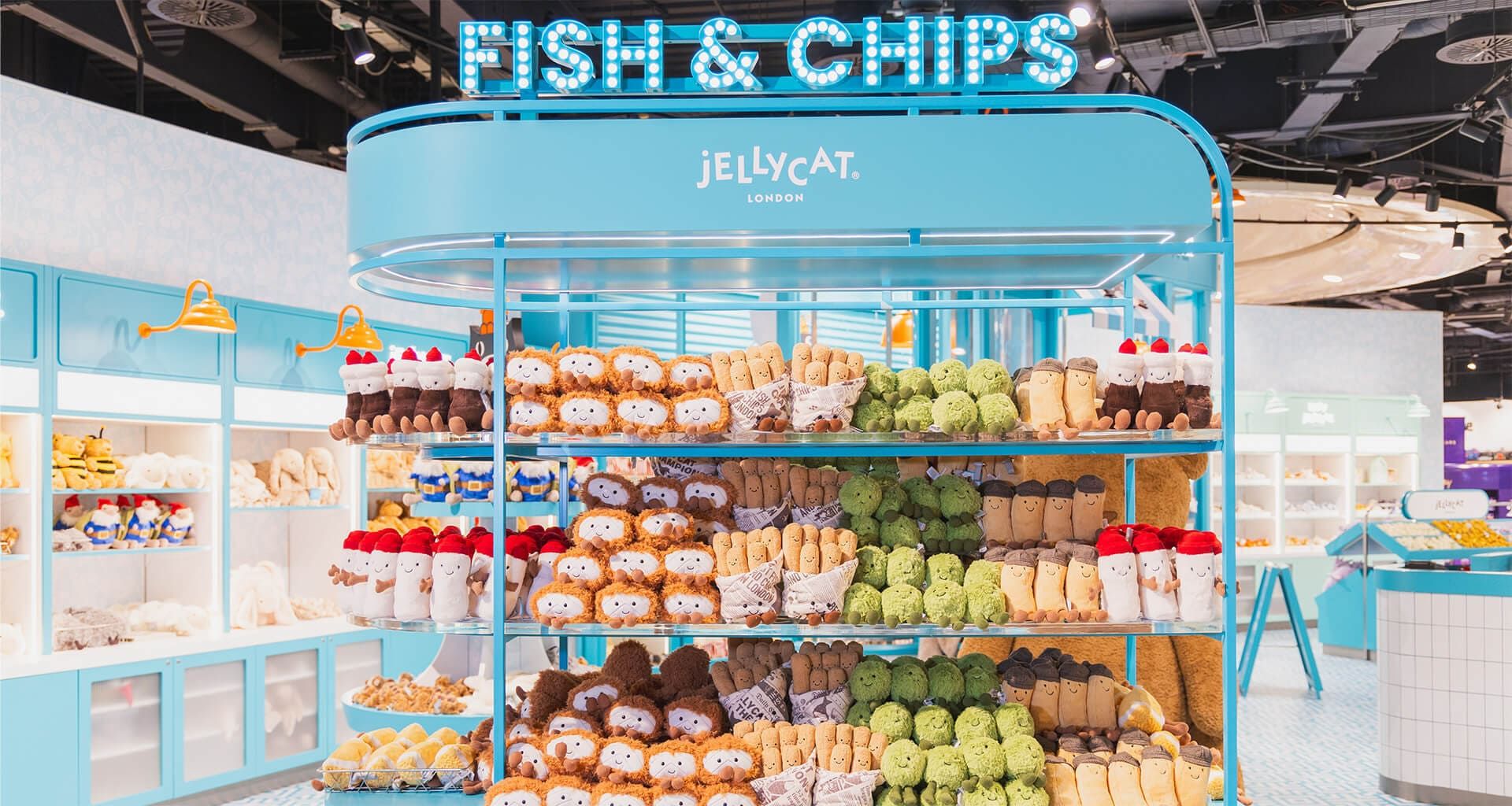
They launched food-themed pop-ups in cities worldwide, with the London pop-up in Selfridges incorporating a fish and chips theme complete with a Fish & Chip van, offering exclusive themed characters available only for the duration of the pop-up. It wasn't simply a retail space, it became a destination, event, and experience rolled into one.
Testing Grounds and Springboards
Beyond creating buzz, pop-ups serve a crucial strategic function: market testing. Retailers use pop-ups as testing grounds for permanent brick-and-mortar locations, as footwear brand Kizik did with their NYC pop-up in 2024, which proved so popular that the brand extended its original operating dates whilst planning two permanent shops.
This ability to validate concepts, gauge consumer interest, and gather real-world data without the capital expenditure of a permanent location makes pop-ups an invaluable tool in the modern retailer's arsenal. It's retail agility at its finest, the ability to move fast, test ideas, and pivot based on actual consumer behaviour rather than market research alone.
The Future of Flexible Retail
As we look ahead to 2026 and beyond, the pop-up format continues to evolve. What started as temporary shops in unexpected locations has matured into a sophisticated retail strategy that combines commerce, creativity, and community building.
The pop-up has truly proven its power this year. It's not about choosing between permanent and temporary retail, it's about understanding when each format serves your brand best.
Spring Fair 2026 returns to NEC Birmingham from 1st–4th February, bringing together the UK's most influential retail community. Connect with over 38,000 buyers, discover 1,500+ suppliers, and explore the future of retail. Register now at www.springfair.com