
)
When you walk into a beautifully arranged shop, something just clicks. You feel drawn in, intrigued, and inspired to explore. That’s no accident. It’s clever visual merchandising and display at work. The best spaces don’t just show products—they tell stories, evoke emotion and, perhaps most importantly, reflect a brand’s unique identity.
If you’re in retail, hospitality, or any customer-facing business, your space is one of your most powerful tools for communication. It can whisper luxury, shout excitement, or hum with calm confidence. It can let your customers know exactly who you are—without a single word spoken.
Let’s explore how your merchandising and display can become a vivid extension of your brand, and how to do it in a way that feels organic, engaging and unmistakably you.
Start With the Story Behind Your Brand
Before you pick up a prop or shuffle your shelves, ask yourself—what’s the core of your brand story? Are you bold and fashion-forward? Heritage-rich and traditional? Playful and quirky? Maybe you’re eco-conscious, artisanal, or all about minimalist luxury.
This story becomes your North Star. Everything you display, from the materials you use to the colours you choose, should reflect this narrative.
Think of it like this: if your brand were a person, how would they dress? What kind of home would they live in? What music would they play at a dinner party? Use these cues to inform your displays. If your brand is laid-back and natural, heavy gold fixtures and stark black shelving probably won’t feel right. On the other hand, if you’re aiming for high-drama glamour, soft woods and gentle pastels might feel a bit flat.
Think With All Five Senses
Visuals are important, of course, but immersive experiences create lasting memories. If your goal is to reflect your brand in a strong, authentic way, don’t stop at how things look—consider how they feel, sound, smell and even taste, where relevant.
Let’s break it down:
-
Touch: Are your displays smooth and modern, or textured and handmade? Can customers handle the products or do they feel precious and untouchable? The tactile experience sends a message.
-
Smell: A subtle signature scent can trigger instant brand recognition. It might be citrus and rosemary for a fresh, clean skincare brand, or soft leather and cedar for a luxury menswear label.
-
Sound: Background music sets a tone. Is it upbeat, relaxed, moody, quirky? Match your playlist to your personality.
-
Taste: If you’re in food or drink, sampling isn’t just about sales—it’s storytelling. Use it to share the craft behind your product.
By tapping into the senses, you invite customers into your world, creating a deeper, more emotional connection.
Create a Signature Visual Language
Just as brands have a tone of voice in writing, they should have a tone of voice in visual style. This is where visual merchandising and display really comes into its own.
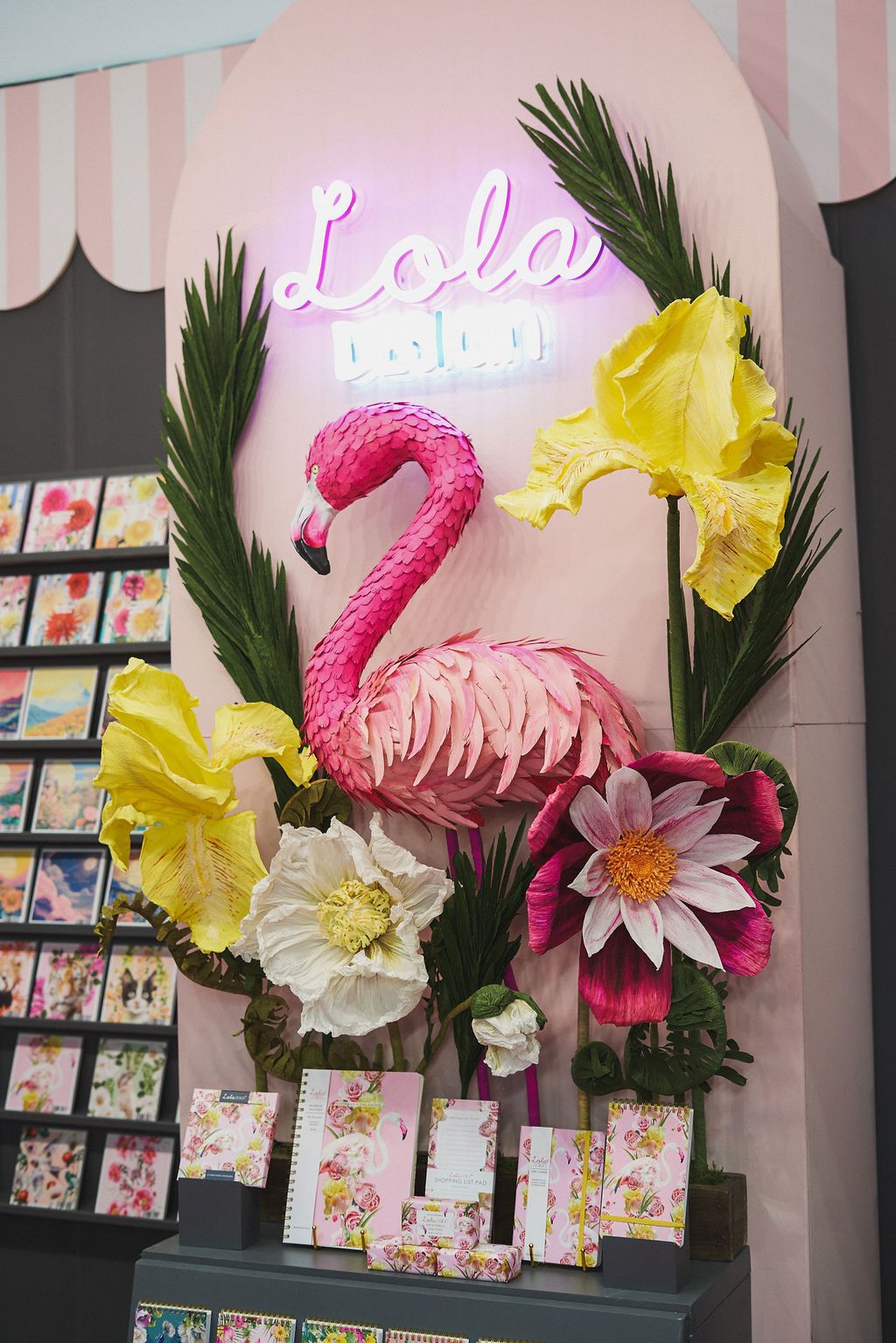
Colours, textures, shapes, lighting and even scent contribute to your brand language. Consistency is key—though not to be confused with repetition. You want to feel familiar, but never stale.
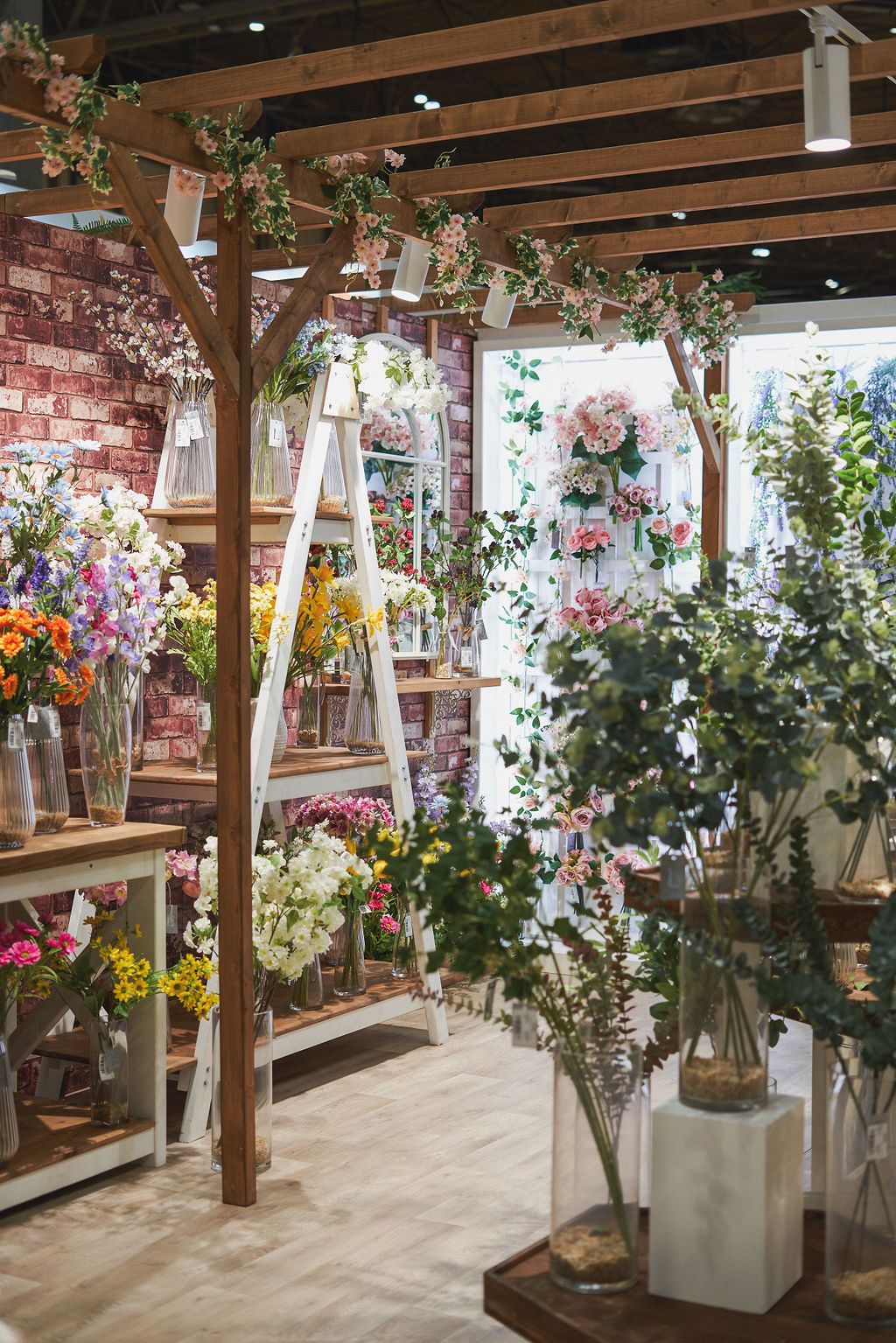
Let’s say your brand is all about vintage-inspired fashion. A mishmash of antique frames, weathered wood, and soft lighting might be perfect. For a tech-driven brand, think clean lines, sleek surfaces and interactive digital elements. This visual language should carry through not only in your product displays, but also in signage, packaging and even the uniforms your team wear.
It doesn’t need to be expensive. A few clever details can do wonders. The right materials, props or even a signature accent colour can create cohesion and recognisability.
 |
 |
Use Merchandising as a Conversation
Gone are the days of static displays that never change. Today, your merchandising can be an active dialogue with your customers. It can react to seasons, respond to trends, celebrate cultural moments, and reflect what your customers care about.
Let’s say sustainability is a big part of your ethos. Why not highlight your eco credentials through your display choices? Use recycled materials, second-hand fixtures, or highlight the story behind a product’s ethical sourcing.
If you’re a small independent shop, lean into that. Let people see the human hand behind what you do. Handwritten tags, chalkboard signage, or photos of makers at work can add charm and authenticity.
Be bold about your values. Use your displays to show what you stand for. It helps you stand out, and more importantly, it helps you attract the kind of customers who’ll love what you do.
Think Flow, Not Just Aesthetics
A beautiful display is only useful if it works. Your merchandising and display should guide customers naturally through your space. It should highlight hero products, support up-selling, and gently encourage exploration.
This is where layout planning comes in. Think about:
-
Entry points: What do people see first when they walk in? Is it something eye-catching and brand-defining?
-
Focal points: Where do the eyes rest? Do these spots reflect your most important products or messages?
-
Journey: Is there a logical path through the space? Are customers led from one area to the next with interest and ease?
-
Hotspots: High-traffic areas should do some heavy lifting. Place your bestsellers, new arrivals or most brand-reflective pieces here.
Good flow feels effortless to the customer—but it’s often the result of strategic design.
Change With the Seasons, But Stay True to the Brand
Seasonal changes keep your space fresh and give returning customers a reason to come back. But be mindful not to lose your identity in the process.
Let’s take a winter theme as an example. You might bring in festive greenery, warm lighting, and rich fabrics. But do it your way. If your brand is minimal and monochrome, maybe it’s white twigs and glass baubles rather than bold reds and greens. If you’re bold and playful, go for oversized decorations or cheeky signage.
Your customers should never feel like they’re in someone else’s shop just because the seasons changed. Adapt, but stay anchored.
Empower Your Team to Be Part of the Experience
Your team are living extensions of your brand. How they present themselves, how they speak, and how they interact with customers all support the story you’re telling.
Encourage your staff to engage with the display. They might suggest improvements, help with seasonal refreshes, or even create their own mini setups. This involvement fosters pride and ensures that everyone understands the role merchandising plays in brand storytelling.
Training them to speak confidently about products and how they fit into the brand’s values creates consistency and trust with customers.
Let Your Space Speak for You
Merchandising and display is so much more than putting products on shelves. It’s a chance to visually speak to your customers before a word is said. It’s how you build recognition, create emotional resonance, and carve out a place in people’s minds—and hearts.
Be intentional, but don’t be afraid to experiment. Stay consistent, but never boring. Involve your team, listen to your customers, and most importantly, make it personal.
Your brand deserves to be seen, felt, and experienced—and your space is the perfect place to make that happen.
Calling All Retail Experts!
Are you passionate about retail? We’re looking for guest contributors to share insights, strategies, and success stories with our growing audience of retail professionals. Whether you're a seasoned executive, innovative vendor or tech-savvy disruptor — we want to hear from you.
)
)
)
)
)
)
.jpg.png/fit-in/500x500/filters:no_upscale())
)
)
)
)
)
)
)
)
)
)
)
)
)
)
)
)
)
)
)
)
)
)
)
)
)
)
)
)
)
)