
)
The fashion floor at Spring Fair 2026 revealed a clear shift in mood. From softened colour palettes to renewed confidence in artisan production, exhibitors are pointing to a season defined by lightness, both in aesthetic and in outlook.
Across the rails upon rails of clothes, and conversations on the show floor with our fashion exhibitors, two themes stood out: an appetite for optimistic, easy-to-wear pieces in uplifting shades, and a growing willingness among retailers to invest in authenticity, craftsmanship and considered production.
A Lighter Palette for Spring
Fabric and colour are leading the conversation for Spring 2026. According to exhibitors, customers are actively leaning into breathable textures and softer finishes as wardrobes transition into the new season.
“As seasons change, we're going more towards a lot of linen,” said the team at Beau Moda. Alongside linen, lighter knits are gaining traction: “There's a lot of light angoras and mohairs.”
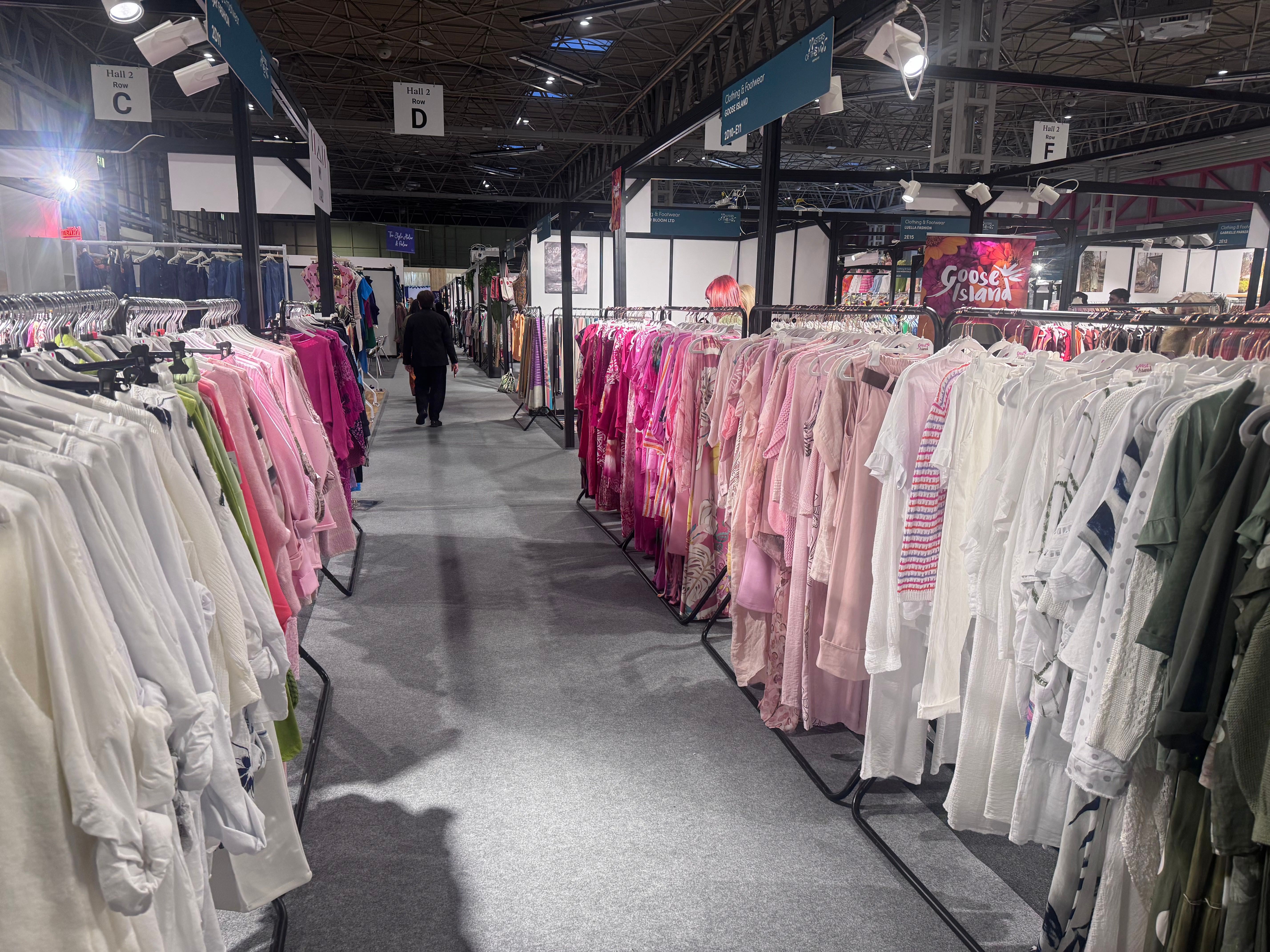
This signals a move away from heavy winter layering towards transitional pieces that feel effortless yet refined, ideal for retailers looking to bridge seasons without committing to overly directional buys.
Colour is playing a significant role in that shift.
"Lemon is a massive feature for the season just coming into the spring” Beau Moda noted, identifying the shade as a standout across new collections. Powder blue is also appearing frequently, offering a calmer counterpoint to brighter tones.
Craft Over Commercial
Alongside this aesthetic softness is a more structural shift in how collections are being produced and positioned. For independent designers, the traditional mass-production model is giving way to smaller, more meaningful runs.
Janette Andrew of Soul of Sita represents this shift perfectly. Spring Fair 2026 marked a continued move away from mass production towards smaller, artisan-led collections. Having previously operated at a larger manufacturing scale, Andrew made a conscious decision to step back from volume-led production
“I feel like it's got to be the opposite, we've got to do something so different,” she explained. Soul of Sita now works in small quantities with artisans in Jaipur, keeping traditional printing and boutique techniques alive.
The response from buyers has been encouraging, and notably, price resistance appears to be softening. “I was worried about that… but I've done quite well,” Andrew said. “They've all commented that it's almost a bit too cheap.”
That feedback reflects a broader trend: retailers, and ultimately consumers, increasingly expect craftsmanship to carry a premium. There is a growing understanding that authentic, small-batch production comes with intrinsic value.
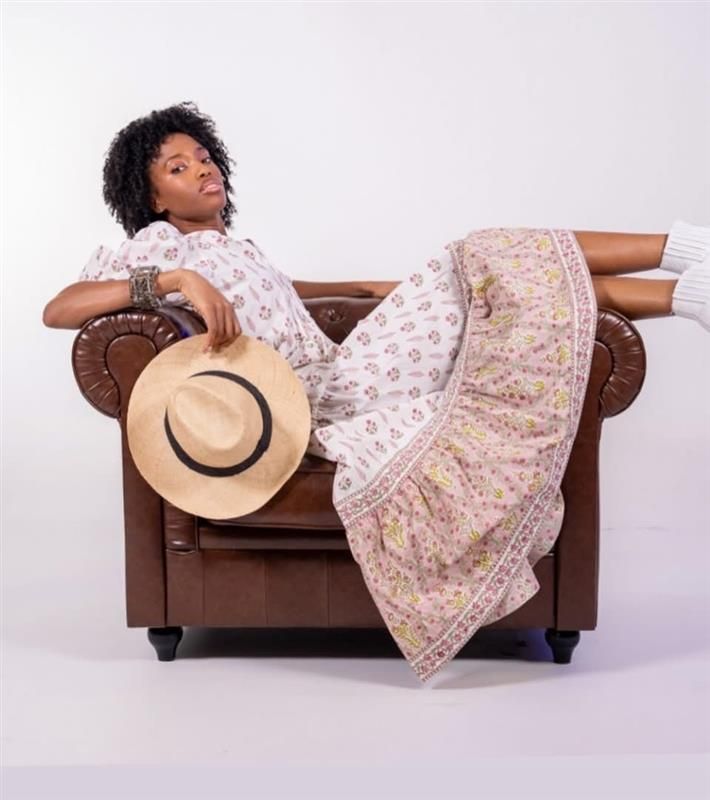
Soul of Sita
Andrew's approach extends beyond aesthetics into ethics. From biodegradable packaging to ensuring makers are paid fairly, the brand's model is built around long-term sustainability rather than margin-driven compromise. “If I can't afford to buy it, I just don't buy it,” she said, referring to paying suppliers their asking price. “I want to give the makers what they want so that everyone's happy.”
This evolution in purchasing priorities reflects changing consumer expectations at retail level. "Our customers want to know where things come from," explained one exhibitor. This mindset aligns with what many buyers are now seeking: differentiation in a crowded market, backed by a story that resonates. As the wellbeing movement gains momentum across sectors, this ethical production approach is becoming increasingly relevant to fashion retailers.
Implications for Retailers
For buyers planning the year ahead at this and other wholesale toy trade shows, retail exhibition venues and white label trade show events, the message is clear: optimism sells, but so does integrity.
Customers are seeking pieces that feel intentional rather than impulsive. They want to understand the story behind their purchases and feel confident that their spending supports ethical practices. This creates an opening for independent retailers who can communicate provenance effectively.
The softer colour palette emerging for Spring 2026 offers commercial accessibility. Lemon and powder blue are distinctive enough to feel fresh, yet wearable enough to appeal to mainstream customers. This balance makes them ideal for retailers who need to refresh their offering without alienating their core customer base.
Similarly, the move towards lighter fabrications, linens, light angoras and mohair, addresses practical needs. As climate patterns shift and consumers become more conscious of versatility, transitional pieces that work across seasons offer better value and longer selling windows.
Building Customer Connection
Beyond product selection, the emphasis on craft and authenticity presents marketing opportunities. Retailers who can articulate the story behind their collections, the artisans involved, the techniques used, the materials chosen, will find engaged customers willing to pay premium prices.
This narrative-driven approach aligns with broader consumer trends towards conscious consumption. Shoppers increasingly view purchases as expressions of values rather than mere transactions. By highlighting ethical production and supporting small-batch makers, retailers can differentiate themselves in a crowded marketplace.
The personal connections formed at events like Spring Fair enable these stories to be told authentically. When retailers can speak firsthand about meeting makers and understanding processes, that authenticity resonates with customers.
Looking Forward
Spring Fair 2026's fashion floor didn't showcase revolution. Instead, it presented evolution: thoughtful refinement of colour, texture, and production methods that respond to both commercial realities and shifting consumer values.
For retailers navigating uncertain economic conditions, this measured approach offers reassurance. Rather than betting on extreme trends that may quickly date, buyers can invest in pieces that combine emotional appeal with lasting relevance.
The synthesis of soft optimism and conscious craft suggests a maturing market where style and substance need not be mutually exclusive. As the fashion sector continues to recalibrate post-pandemic, these twin priorities, aesthetic refreshment and ethical production,provide a stable foundation for growth.
The question now is whether retailers can effectively communicate these values to customers whilst maintaining commercial viability. Early indicators from Spring Fair 2026 suggest the market is ready. Buyers are engaged, makers are confident, and the mood is cautiously optimistic.
In an industry often criticised for short-term thinking and environmental impact, this shift towards intentionality feels significant. Whether it represents a fundamental change or a temporary adjustment remains to be seen. For now, the fashion mood at Spring Fair 2026 suggests a sector finding its footing: lighter in palette, deeper in purpose, and more thoughtful in approach.
As the trade show season continues and these collections reach retail floors, the true test will be customer response. If early buyer enthusiasm translates to sales, it could validate this more measured, values-driven approach to fashion retail, and point the way forward for an industry in transition.