
)
The home has always been a refuge, but in 2026 it is becoming something more deliberate: a carefully designed environment engineered to actively support physical and emotional wellbeing. What began as a niche wellness trend has become mainstream. According to Zillow's 2026 Home Trends Report, mentions of "wellness features" in property listings have increased by 33% compared to a year ago, with spa-inspired bathrooms up by 22%.
This shift represents a fundamental reimagining of what interiors are meant to do. The days of design serving aesthetics alone are fading. Today's consumers, and the retailers stocking their homes, are asking a more vital question: does this space make me feel better?
The End of Sterile Wellness
For years, wellbeing interiors were synonymous with minimalism: stark whites, empty rooms, and a sense of austere calm that many found unappealing. That narrative has fundamentally changed.
"The idea that wellbeing interiors look beige, quiet and somewhat sterile is firmly on its way out," explains Dewi Pinatih, Head of Product Design Trends at trend forecaster Stylus. "More consumers are discovering the joy in interiors that reflect their personality, heritage and interests. 2026 is all about creating a lived-in atmosphere for interiors where happy memories are made, being with the people and doing the things that you love."
This evolution signals an important shift for retailers. Wellbeing-focused interiors now embrace personality, colour, layered textures, and meaningful objects. They are warm, inhabited spaces that support both rest and self-expression. The design imperative is no longer restraint, but rather intentionality: every element should serve wellbeing without sacrificing joy or individuality.
Five Core Pillars of Wellbeing-Led Design
1. Light as Medicine
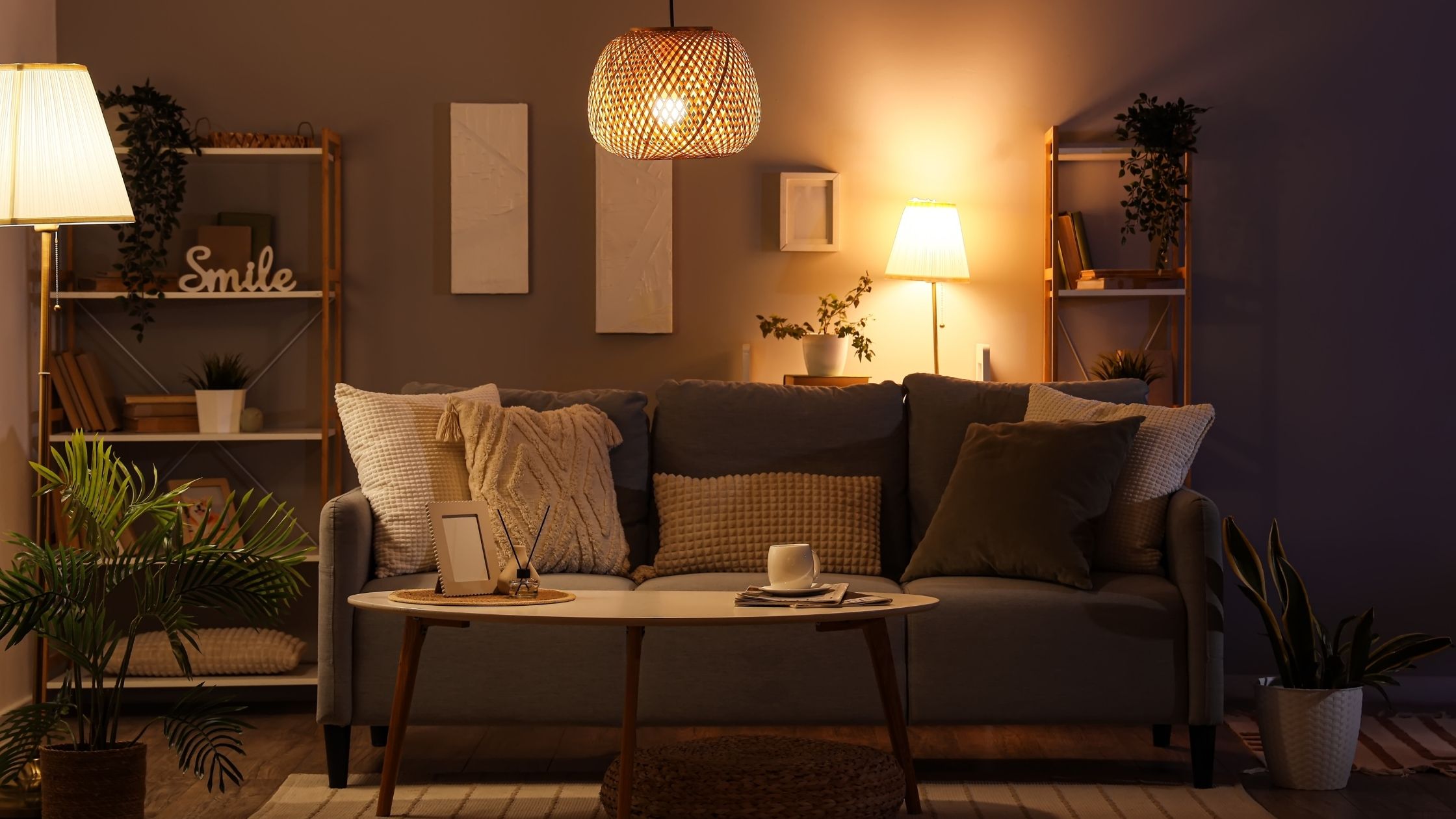
Lighting has emerged as one of the most powerful wellness tools available to designers and homeowners. Rather than relying on a single overhead fixture, a practice that creates harsh shadows and mental fatigue, wellbeing-focused homes embrace layered, adaptive lighting.
Smart lighting systems that support circadian rhythms are becoming essential rather than luxury additions. These systems gently brighten in the morning to mimic natural dawn, warm in the evening to signal the body to prepare for sleep, and adjust throughout the day to support energy and focus. For retailers, this means stocking a broader range of lighting solutions: adjustable desk lamps, dimmer switches, warm-toned bulbs, and smart home technology that integrates seamlessly with existing décor.
2. Acoustic Wellness and Silence
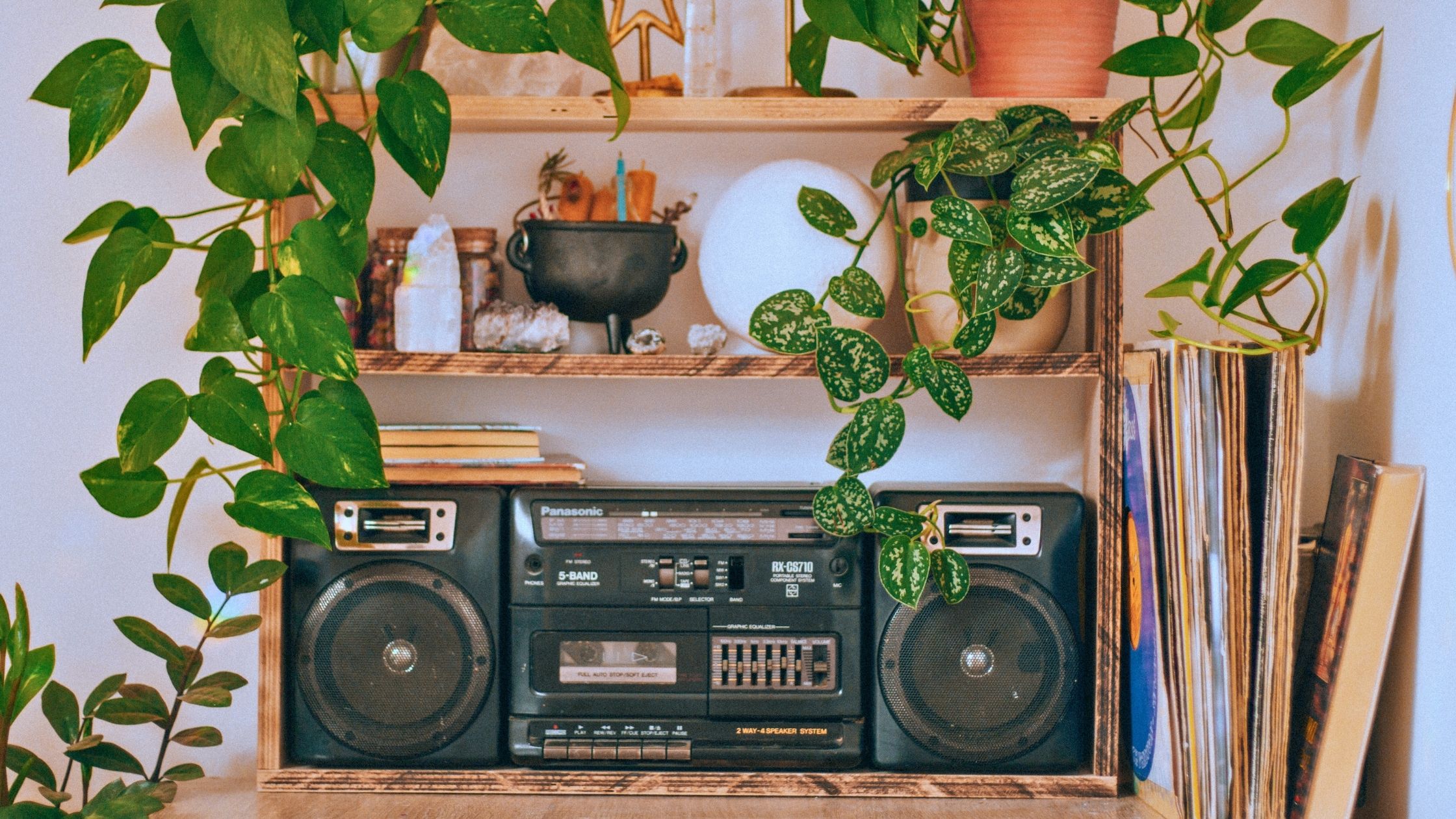
Noise pollution, both external and internal, is increasingly recognised as a health concern. Excess sound disrupts focus, interferes with sleep, and contributes to stress and anxiety.
The response is a growing focus on "acoustic wellness," which integrates sound-absorbing materials and quieter design choices into homes. Sound-dampening wallpapers, acoustic panels, thick curtains, wool rugs, and soft furnishings are no longer treated as afterthoughts but as essential wellness investments. Natural materials like cork, wool, and linen all contribute to a quieter, more restful environment.
For retailers, this creates an opportunity to position rugs, textiles, and wall coverings as health tools rather than mere decoration. Educational content around noise reduction and acoustic comfort can help customers understand the value of premium materials.
3. Natural Materials and Biophilic Design
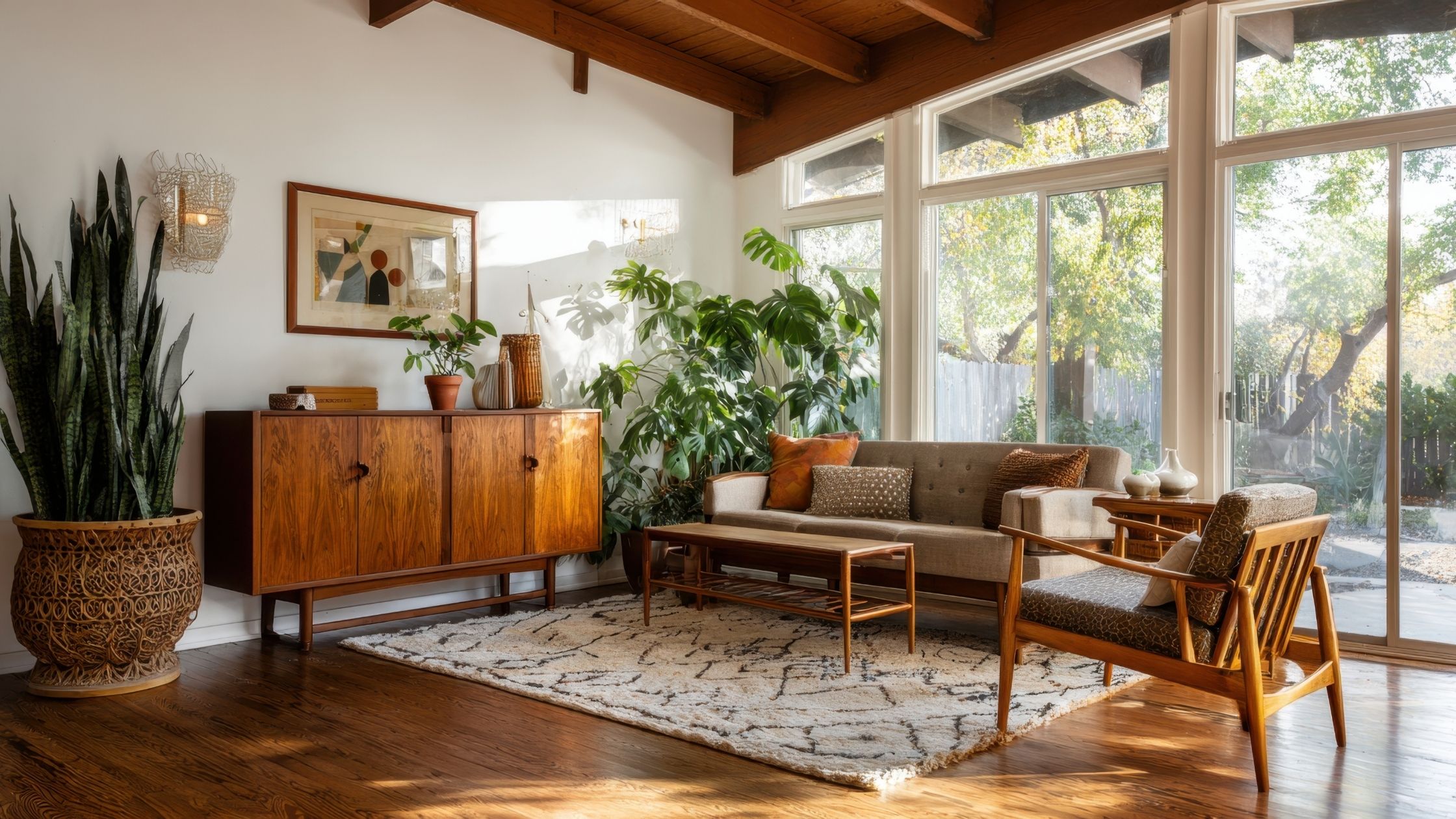
The connection between natural materials and wellbeing is well established. Wood, stone, clay, linen, wool, and woven fibres bring warmth, authenticity, and a tactile quality that synthetic alternatives cannot replicate.
Biophilic design, the practice of bringing nature indoors through plants, natural light, and organic forms continues to gain traction. But in 2026, it extends beyond visible greenery. Natural materials age gracefully, develop patina, and create a sense of connection to the natural world. They also reduce visual harshness and sensory overload, particularly when finished in low-sheen, matte surfaces rather than high-gloss alternatives.
Furniture in 2026 emphasises natural woods, rattan, wicker, and emerging eco-friendly materials like agave fibres and coconut shells. For retailers, this signals strong demand for natural, durable, responsibly sourced pieces that customers can feel good about owning.
4. Colour as Emotion
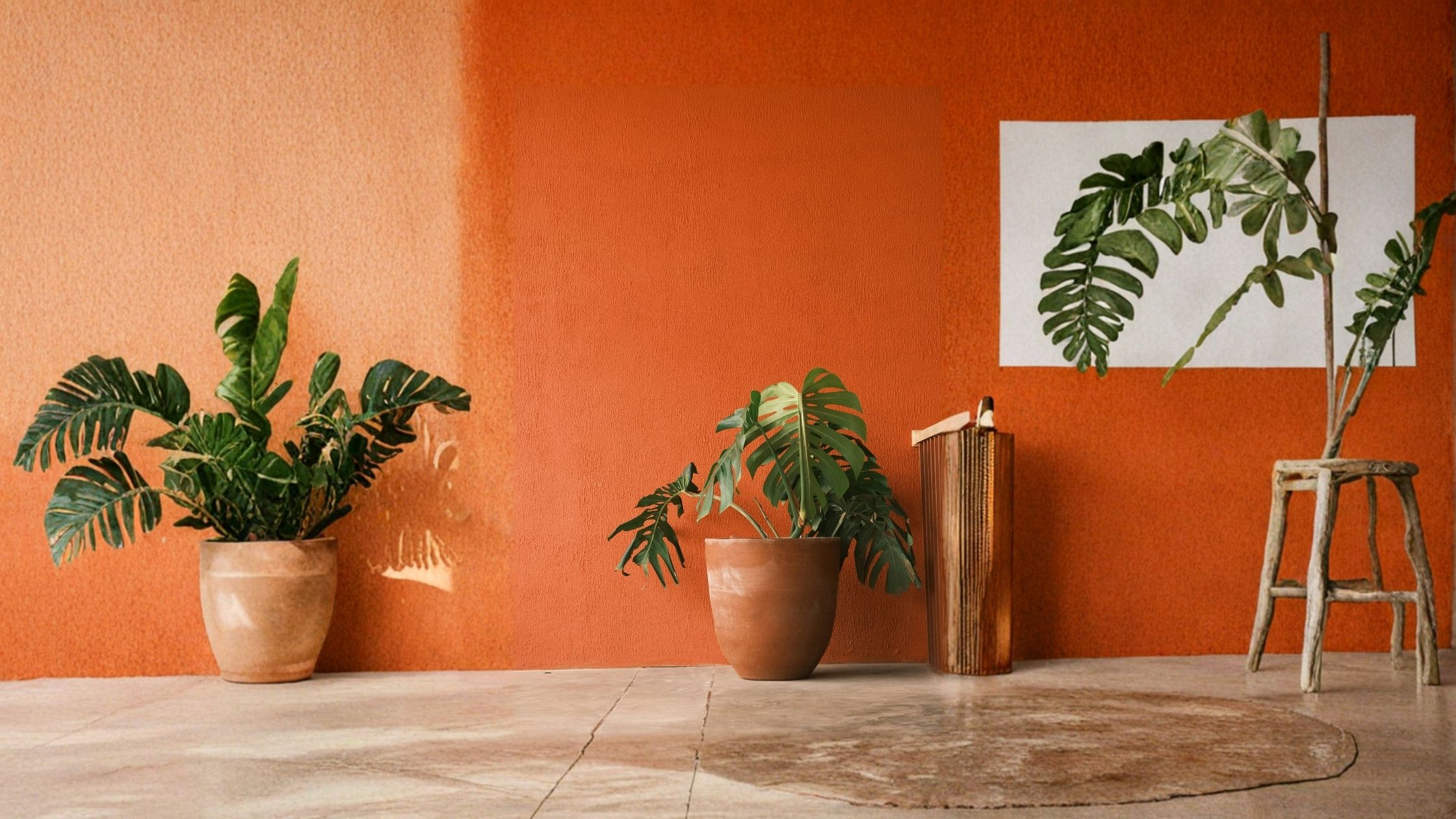
The beige minimalism of years past has been replaced by a more nuanced approach to colour. Rather than neutral emptiness, wellbeing interiors use colour intentionally to influence mood and emotion.
Soft, nature-inspired palettes dominate: sage greens, soft terracottas, muted blues, and warm ochres create calm without feeling bland. Deeper hues like forest greens, rich browns, and cobalt blues add depth and grounding. Pantone's 2026 Colour of the Year, Cloud Dancer, reflects this shift: a soft, aerated white described as promoting "quiet reflection" in "a noisy world."
The key for retailers is recognising that wellbeing colour is not about following a single palette, but offering ranges that customers can layer and combine. Warm whites with depth, muted jewel tones, and earthy hues allow customers to create spaces that feel both calm and personally expressive.
5. Dedicated Retreat Spaces
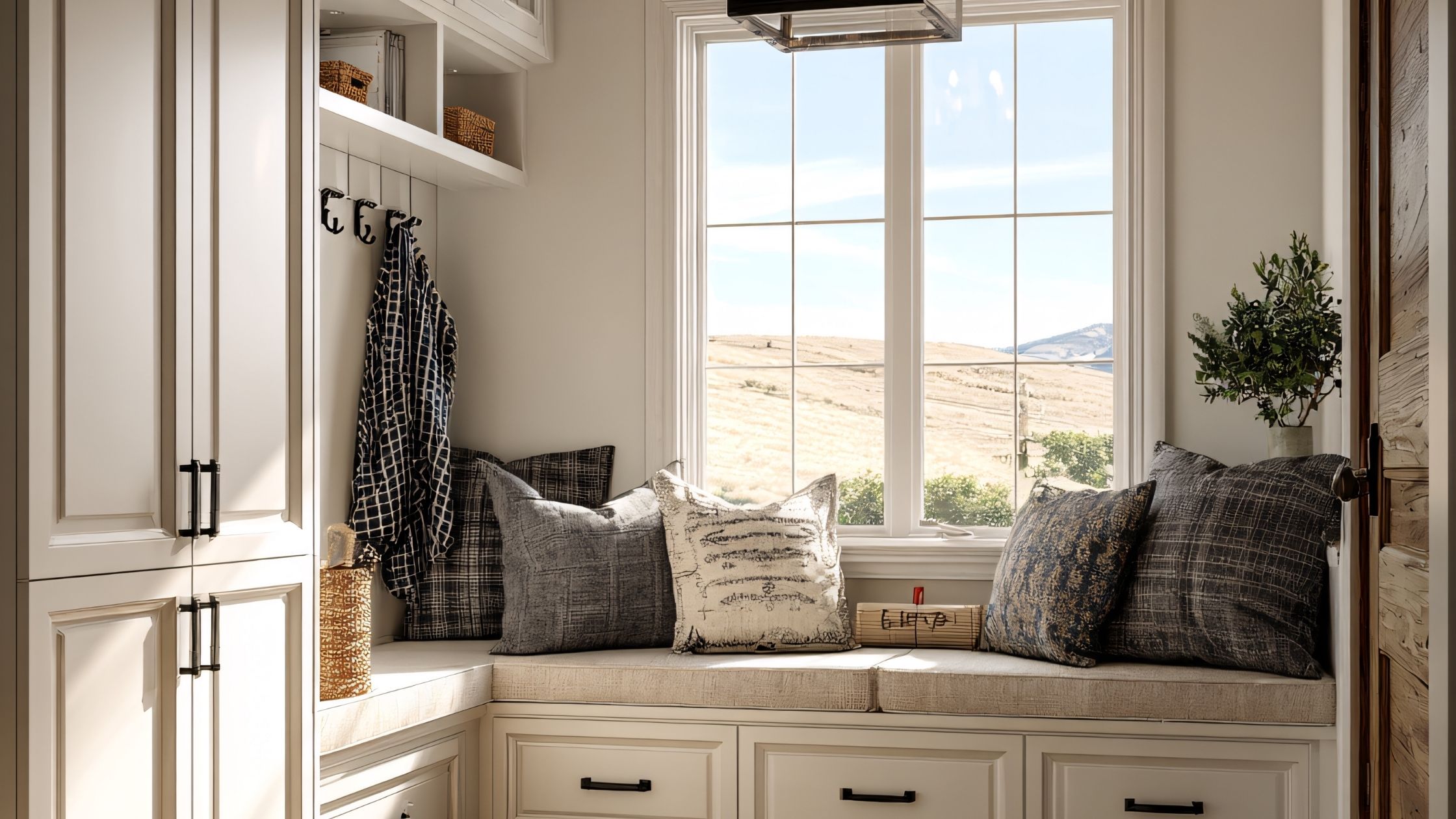
One calm corner can dramatically improve how a home supports emotional wellbeing. Whether it is a tech-free bedroom, a window reading nook, a meditation corner, or a spa-like bathroom, dedicated retreat spaces are becoming standard features rather than luxuries.
These spaces share common characteristics: soft colour palettes, natural lighting where possible, comfortable seating, sound-absorbing textures, and minimal visual clutter. They are designed specifically to help people unplug, reset, and recharge. For retailers, this creates opportunities to curate collections around functional room types: bedroom collections, bathroom collections, and home library collections that work cohesively.
Health at Home: Practical Wellness
Beyond aesthetics, practical health considerations are reshaping what customers expect from their homes. Two areas deserve particular attention.
Indoor Air Quality: Concerns about home health are becoming increasingly mainstream. Customers are increasingly aware of volatile organic compounds (VOCs) in paints, harmful chemicals in cleaning products, and toxic substances in furniture. Low-VOC paints, non-toxic cleaning products, and furniture made with safe, tested materials are no longer niche products, they are becoming category expectations.
Sleep Architecture: The bedroom has emerged as the most important wellness space in the home. Beyond aesthetics, this includes blackout window treatments that block external light, temperature-regulating textiles, upholstered headboards that reduce sound, and bedding designed specifically to support sleep quality. For retailers, this means educating customers about the cumulative effect of these elements and stocking comprehensive bedroom solutions.
The Retail Opportunity
The wellness-led interiors trend is not a passing fad. It reflects a genuine shift in how people think about their homes and what they expect from design. Customers are willing to invest more in products that genuinely improve their lives, whether through better sleep, reduced stress, improved focus, or simply feeling more at ease in their own space.
Retailers should consider how to position their existing collections through a wellness lens. That beautiful natural wool rug is not just stylish; it supports acoustic wellness and creates a sense of grounding. That soft, layered lighting fixture does more than illuminate a room; it supports circadian rhythms and mental clarity. That hand-thrown ceramic or woven piece brings the calming benefits of natural materials and human craftsmanship into the home.
The brands and retailers who thrive in 2026 will be those who understand that wellbeing is not a trend category, but a lens through which all interiors should be viewed. Homes are no longer just places to live. They are sanctuaries, and their design matters more than ever.