
)
Every retailer—whether traditional brick-and-mortar, fully online, or operating in the hybrid world of omnichannel—knows the joy of a full basket. It's a sign that a customer is interested, engaged, and perhaps even excited. But what about when that basket never makes it to the till, or in the case of eCommerce, to the payment confirmation page? It's a story as old as online shopping itself: the abandoned cart.
But here's the exciting part. Behind every abandoned cart is a real person—someone who was once just moments away from becoming your customer. And with the right mix of empathy, strategy, and retail know-how, you can guide them gently back and help them complete the journey they nearly finished.
In this article, we'll show you how to reduce abandoned cart rates in a way that's not only effective, but also genuinely enjoyable for your customers. Think of it as a collaborative exploration—your business and your customer, working in harmony to make shopping smooth, secure, and satisfying.
The Scale of the Challenge
Before we dive into solutions, let's look at the scope of the problem. Globally, cart abandonment rates average around 70%, and in some industries, that number soars even higher. That means for every ten potential buyers who add products to their cart, seven decide not to complete the purchase.
That might sound alarming, but it's also an opportunity in disguise. If you can convert even a fraction of those abandoners into purchasers, you'll see a tangible uplift in your bottom line—without needing to spend more on traffic or advertising.
Why Are Customers Abandoning Their Carts?
Understanding your customer's intent—and what might be getting in their way—is crucial. People abandon their carts for all sorts of reasons, but here are some of the most common culprits:
-
Unexpected costs: Shipping fees, taxes, or extra charges at checkout.
-
Complicated checkout processes: Too many steps, too much form-filling.
-
Forced account creation: Not everyone wants to register just to buy.
-
Payment concerns: Limited options or perceived security issues.
-
Slow website performance: Lagging pages or crashes at the crucial moment.
-
Just browsing: Many users treat the cart as a wishlist or price-checking tool.
-
Lack of trust: Unfamiliar brands, unclear return policies, or poor design can cause doubt.
-
Unclear delivery details: Vague timeframes or high costs can drive people away.
With that context in mind, let's move on to what you can do about it.
1. Optimise the Checkout Process
Let's start at the most obvious pressure point: the checkout. If there's any point where your user experience needs to shine, it's here. The process should feel effortless.
Tips for streamlining your checkout:
-
Minimise the steps: Aim for as few clicks as possible. A single-page checkout often performs better than multi-step forms.
-
Offer guest checkout: Let customers purchase without creating an account—then invite them to register afterwards.
-
Use auto-fill and postcode lookups: Make form-filling quick and painless.
-
Be transparent with costs: Let customers see shipping fees and VAT upfront—before they reach the final screen.
A clean, clear, and fast checkout doesn't just reduce abandonments—it also increases customer satisfaction overall.
2. Communicate Clearly About Costs
One of the biggest friction points is unexpected charges. If someone thinks they're paying £40 for a product but suddenly sees £49.95 at checkout due to delivery and tax, it can trigger instant dropout.
How to keep costs from scaring customers off:
-
Show delivery fees early: Use location-based calculators to estimate delivery cost on product pages.
-
Be upfront about taxes: Especially for international buyers—nothing kills trust like surprise customs fees.
-
Consider free shipping thresholds: “Free shipping on orders over £50” is both a motivator and a sales booster.
People like to feel in control. Providing that clarity makes them feel respected.
3. Build Trust and Reassurance
Shopping online requires a leap of faith—especially if the customer is new to your brand. Your job is to create an experience that feels safe, secure, and reliable.
Tactics to build trust:
-
Display secure payment badges: Clearly show that transactions are encrypted and secure.
-
Highlight your returns policy: Easy, hassle-free returns reassure hesitant buyers.
-
Include reviews and testimonials: Social proof goes a long way.
-
Show clear contact information: Customers feel more confident when they know how to reach you.
Even small design cues—like professional photography, neat typography, and consistent branding—can boost credibility.
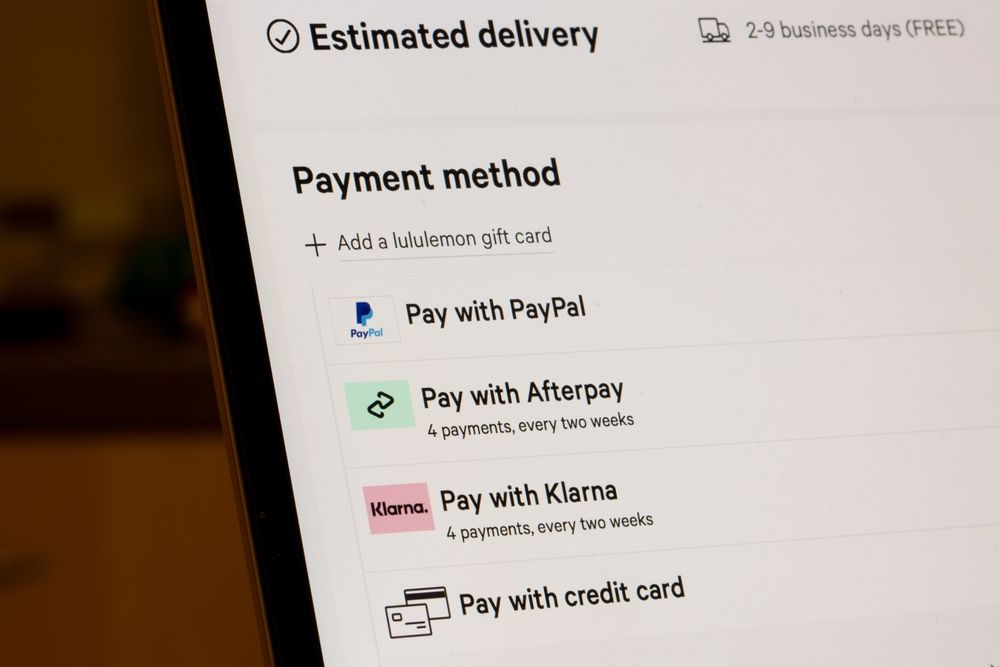
4. Offer Multiple Payment Options
In a world of Apple Pay, Klarna, PayPal, Google Pay, and good old-fashioned card details, limiting your checkout to one or two options is like turning away people at the door.
Consider adding:
-
Buy Now, Pay Later (BNPL) options: Klarna and Clearpay are particularly popular in the UK.
-
Wallet integrations: Apple Pay, Google Pay, and PayPal all allow quick purchases.
-
Credit and debit cards: Still vital—but support a range (Visa, Mastercard, Amex).
Customers want the payment method that feels most comfortable for them. When they can't find it, they may abandon the cart altogether.
5. Use Abandoned Cart Emails—Thoughtfully
Email is still one of the most effective tools in the fight against abandoned carts. A well-crafted message sent an hour or two after the abandonment can bring customers back—if it's done right.
How to make them count:
-
Personalise it: Use the customer's name and mention the specific product(s).
-
Add urgency or incentives: Limited-time discounts, low stock warnings, or free shipping.
-
Keep the tone warm and friendly: Think helpful, not pushy.
-
Include images of the products: A visual reminder can reignite desire.
-
Send a sequence: One reminder is good. Two or three (spaced out appropriately) is better.
A well-timed nudge might be all they need.
6. Use Exit-Intent Pop-Ups (With Care)
Pop-ups can be annoying—but if used sparingly and smartly, they can catch a customer at just the right moment. Exit-intent pop-ups trigger when someone moves their cursor towards the browser's close button or back arrow.
Ideas for pop-up offers:
-
A small discount: 5–10% off if they complete their order now.
-
Free delivery: A strong incentive, especially in the UK.
-
A reminder: “Forgot something?” or “Still thinking it over?”
Keep them friendly, not aggressive. A polite offer feels helpful, not salesy.
7. Enhance Mobile Experience
More people than ever are shopping from their phones, but mobile carts are abandoned even more frequently than desktop ones.
To improve mobile conversions:
-
Ensure fast loading times: Every second counts.
-
Use responsive, thumb-friendly design: Buttons and fields must be easy to tap.
-
Offer mobile wallets: Apple Pay and Google Pay speed things up.
-
Keep navigation intuitive: Make it easy to go from browsing to buying.
Mobile shopping should feel just as seamless as desktop—if not more so.
8. Offer Live Chat or Virtual Assistance
Sometimes, customers have last-minute questions that could make or break a sale. Offering help at that crucial moment can reduce cart abandonment.
-
Use live chat widgets: Answer queries in real-time.