
)
Fashion in 2026 is entering a new era, one defined by authenticity, longevity, and expressive individuality. After a decade of fast micro-trends and uniform minimalist dressing, consumers are gravitating toward style choices that feel more intentional and emotionally resonant.
The trends emerging for 2026 reflect a desire for quality, comfort, craftsmanship, and pieces that tell stories. Retailers who understand these shifts will be well-positioned to meet demand across demographics, budgets, and aesthetics.
Below, we explore the 10 key fashion trends shaping 2026, with expanded insights and actionable takeaways for retailers planning their next collection.
1. Raw Denim & Reinvented Classic Denim
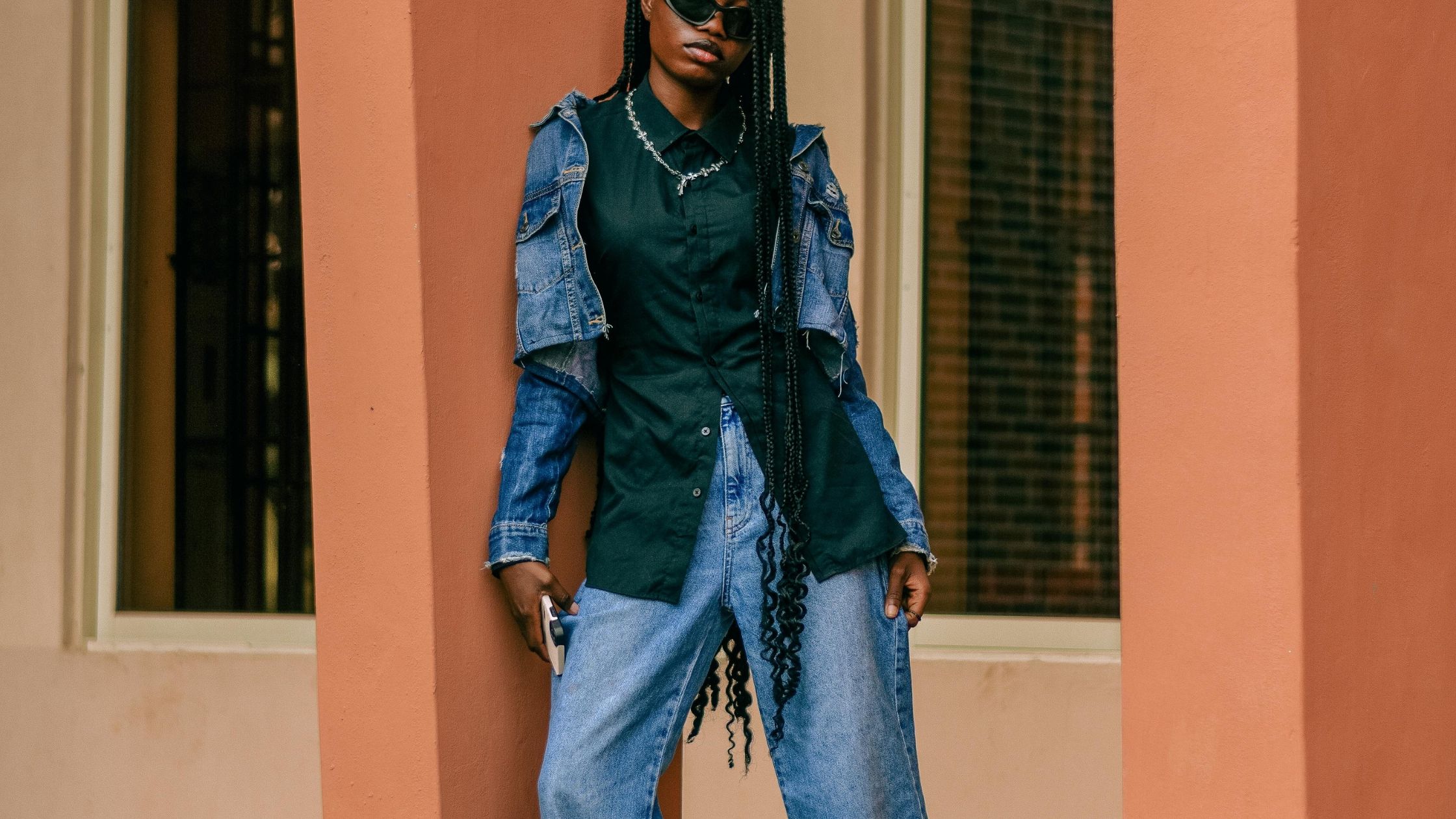
Denim is gearing up to take centre stage again in 2026, but not in the heavily distressed, ultra-stretch forms seen in previous cycles. Instead, raw and minimally processed denim is making a comeback, celebrated for its durability, structure, and ability to mould uniquely to each wearer over time.
The silhouettes themselves feel familiar yet refreshed: vintage-inspired straight legs, clean-cut wide legs, boxy jackets, structured overalls, and longer-line denim skirts all appear in updated proportions. Sustainability-minded brands are also releasing raw denim made using less water and fewer chemicals, tapping into a more conscious consumer base.
What's driving it:
Quality and authenticity are shaping modern wardrobes. Raw denim symbolises longevity, and its tactile nature stands out in a market saturated with synthetics. There's also a cultural return to classic Americana and utility dressing, further driving denim's renewed relevance.
Retail takeaway:
Create a denim destination within your retail space, highlighting raw, rigid, and heritage-inspired styles. Offer a diverse range of fits to cater to shifting body inclusivity expectations. Provide care guides, repair services, or hemming options to elevate the customer experience. Storytelling is now essential; highlight craftsmanship, slow fading, and the individuality of raw denim to drive desirability.
2. Playful Prints, Checks & Alternative Patterns
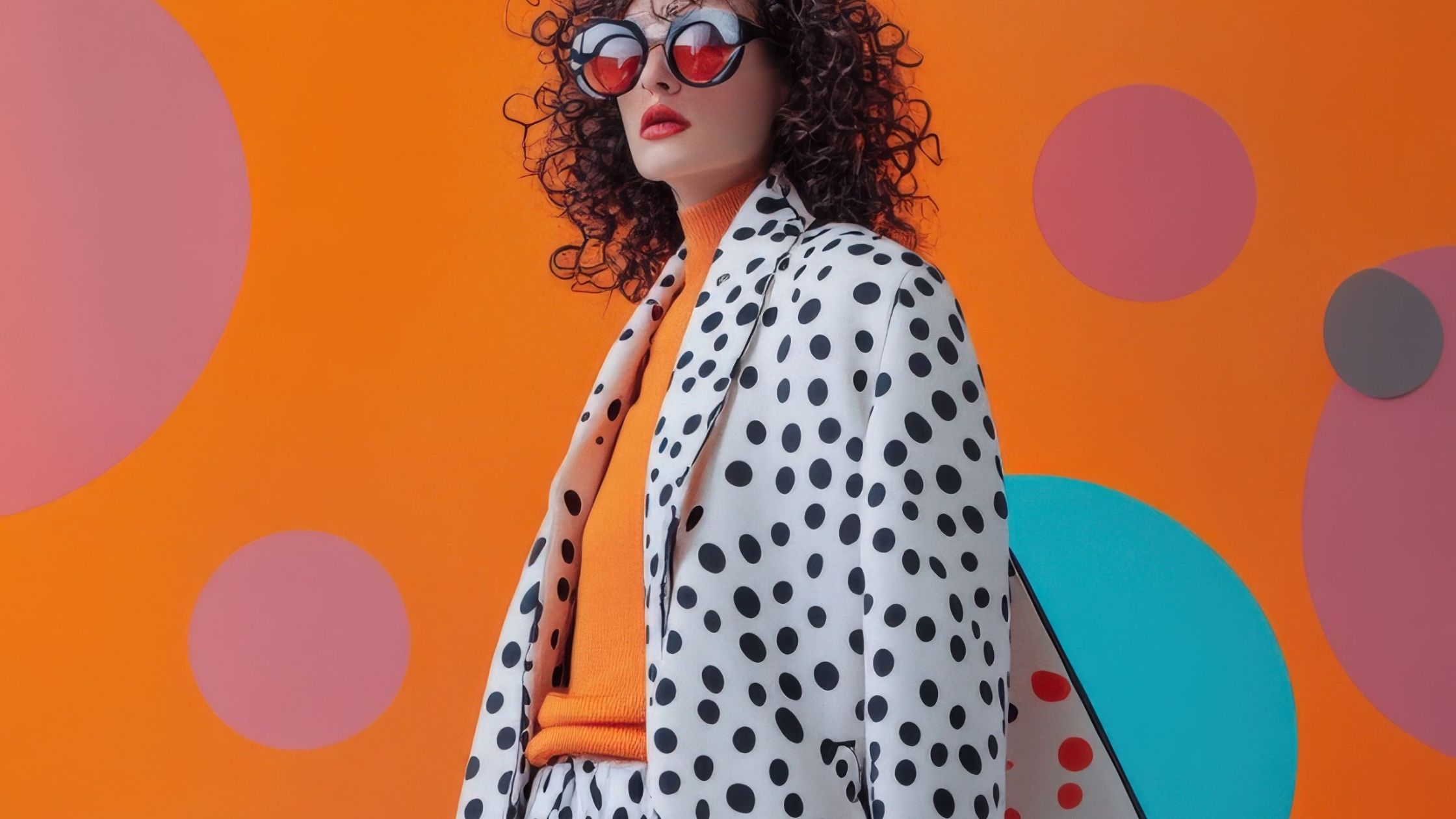
Prints return with boldness and optimism. 2026 is full of expressive visuals: oversized checks, artist-inspired geometrics, playful polka dots, digitally distorted florals, and animal prints reimagined in unexpected colours. Designers are mixing scales, layering prints, and reviving vintage motifs from the '60s and '90s in contemporary palettes. This is fashion at its most joyful and unapologetically expressive.
What's driving it:
Consumers want clothing that reflects their personality. After years of pared-back basics, there's renewed appetite for fun, creativity, and visual impact. Social media aesthetics also favour striking patterns; print-led pieces perform exceptionally well in both still imagery and video, directly influencing buying behaviour.
Retail takeaway:
Develop print-led mini collections that help customers experiment confidently. Offer both statement pieces (e.g. head-to-toe printed dresses) and subtle options (printed tops or accessories). Create styling zones showing how to mix patterns effectively. For cautious shoppers, introduce transitional pieces in softer palettes and smaller scales.
3. Romantic Fabrics & Soft, Voluminous Silhouettes
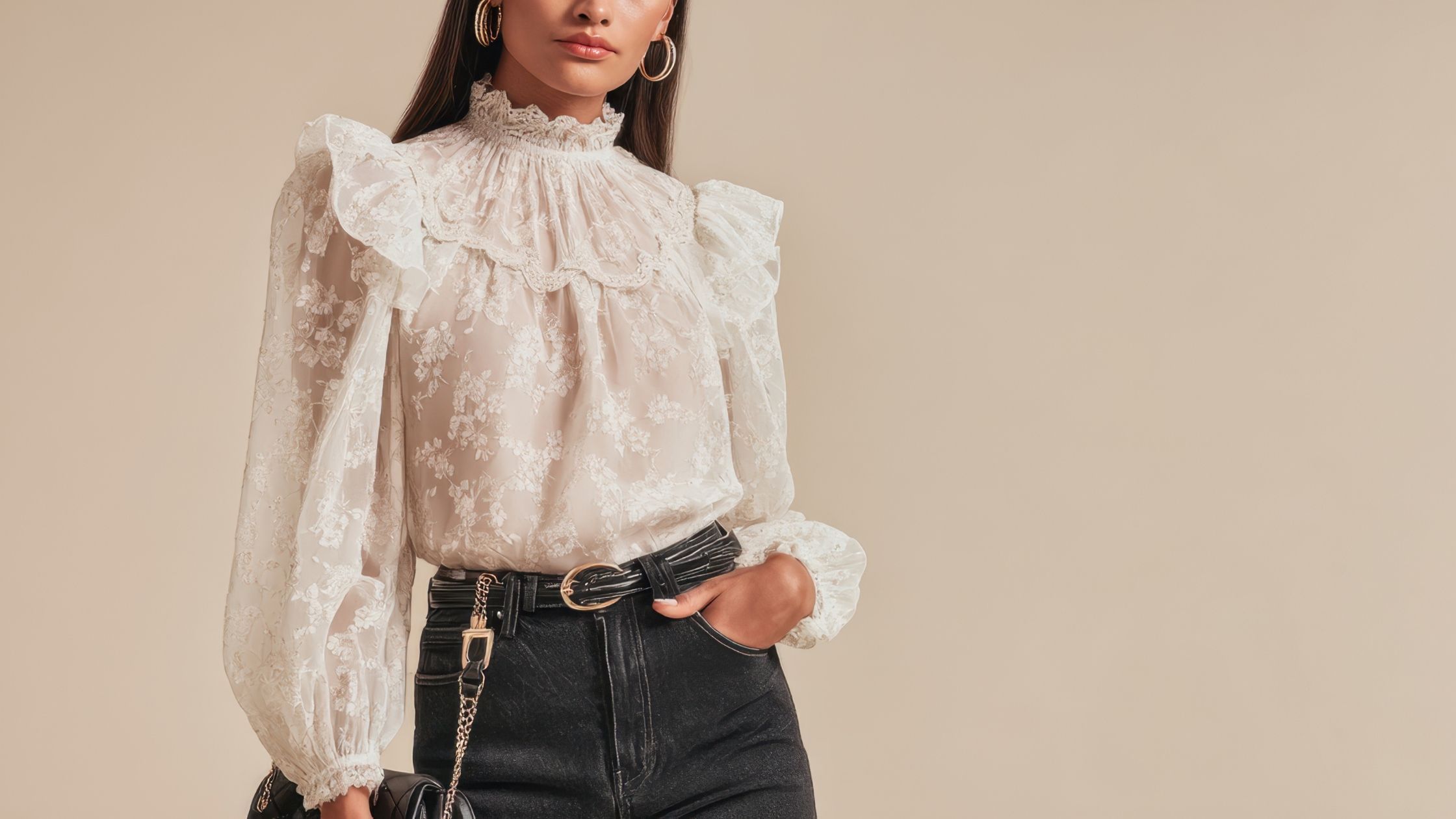
Airy chiffons, floaty organza, soft tulle, and gathered fabrics take centre stage in 2026's romantic direction. This trend pairs tactile softness with architectural volume, dramatic sleeves, elegant draping, bubble skirts, and mid-length dresses that move beautifully with the wearer. The aesthetic blends femininity with contemporary ease, allowing customers to feel dressed up without sacrificing comfort.
What's driving it:
Consumers are redefining what “special” means. They want garments that feel elevated yet wearable for everyday moments. Romantic fabrics, soft to the touch, playful in movement, offer escapism and comfort simultaneously, appealing across age groups.
Retail takeaway:
Focus on dresses, skirts, blouses, and soft layering pieces in lightweight fabrics. Use visual merchandising to emphasise movement, mannequins posed in motion, fans gently lifting hemlines, or video content showing drape and flow. Offer accessories that pair naturally with softer silhouettes, such as fine jewellery and light wraps.
4. Seasonless & Sustainable Style
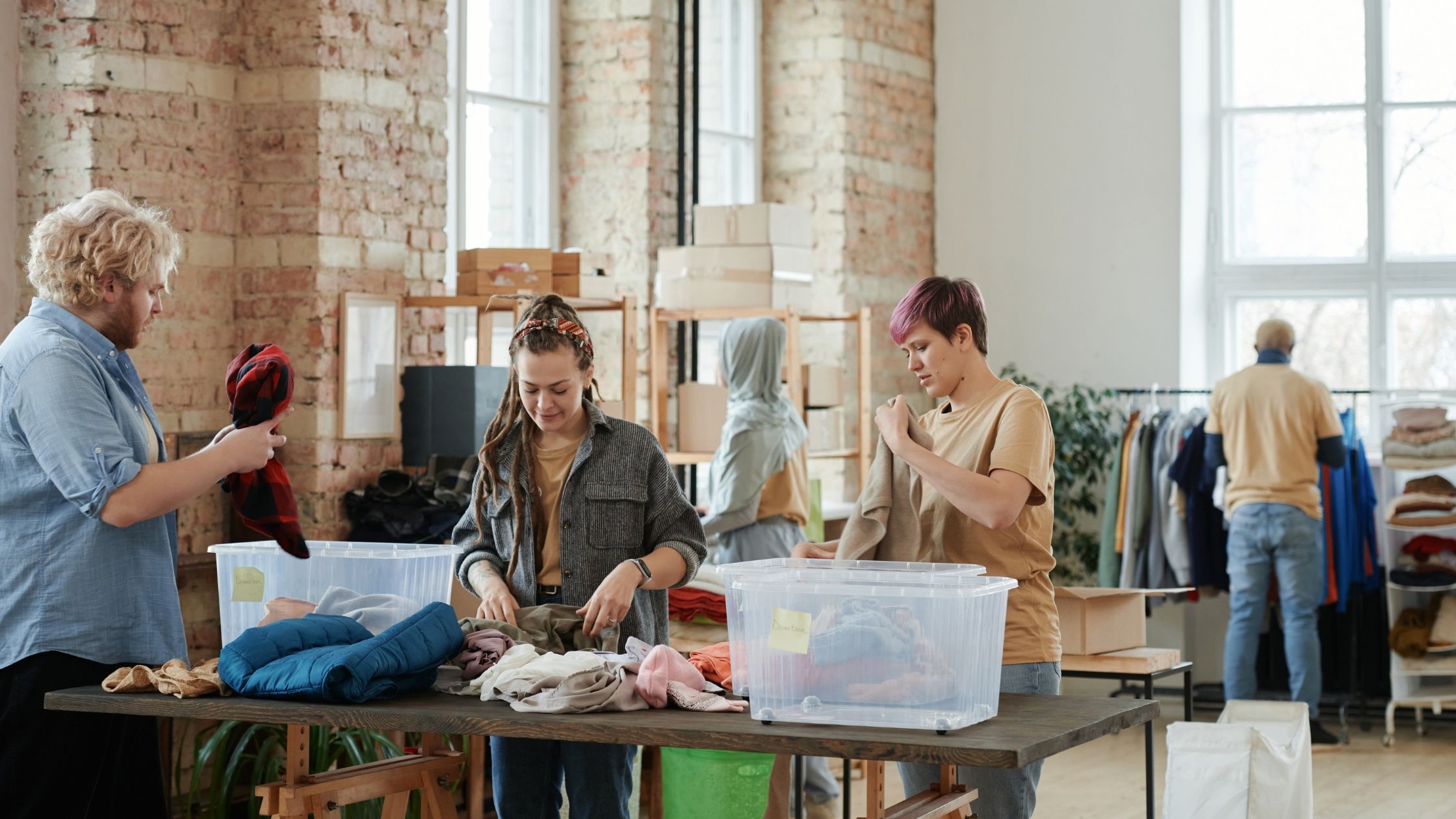
In 2026, the conversation around sustainability evolves beyond recycled materials to include seasonless design and longevity. Wardrobes built around timeless, multifunctional pieces reduce waste and suit customers seeking cost-effective, thoughtful shopping habits. Neutral, trans-seasonal palettes and adaptable silhouettes help clothing remain relevant 365 days a year.
What's driving it:
A combination of rising environmental awareness, cost-of-living pressures, and shifting consumer values. Shoppers are demanding transparency, durability, and fewer items that work harder. They want the ability to style one garment multiple ways throughout the year, reducing wardrobe redundancy.
Retail takeaway:
Develop a strong core range that transcends seasons, high-quality trousers, layering tops, premium knitwear, and versatile dresses. Highlight craftsmanship, fiber content, and wear longevity in your product descriptions. Consider offering a “wardrobe essentials” section online and in-store to anchor the trend.
5. Bold Colour Stories & Graphic Palettes
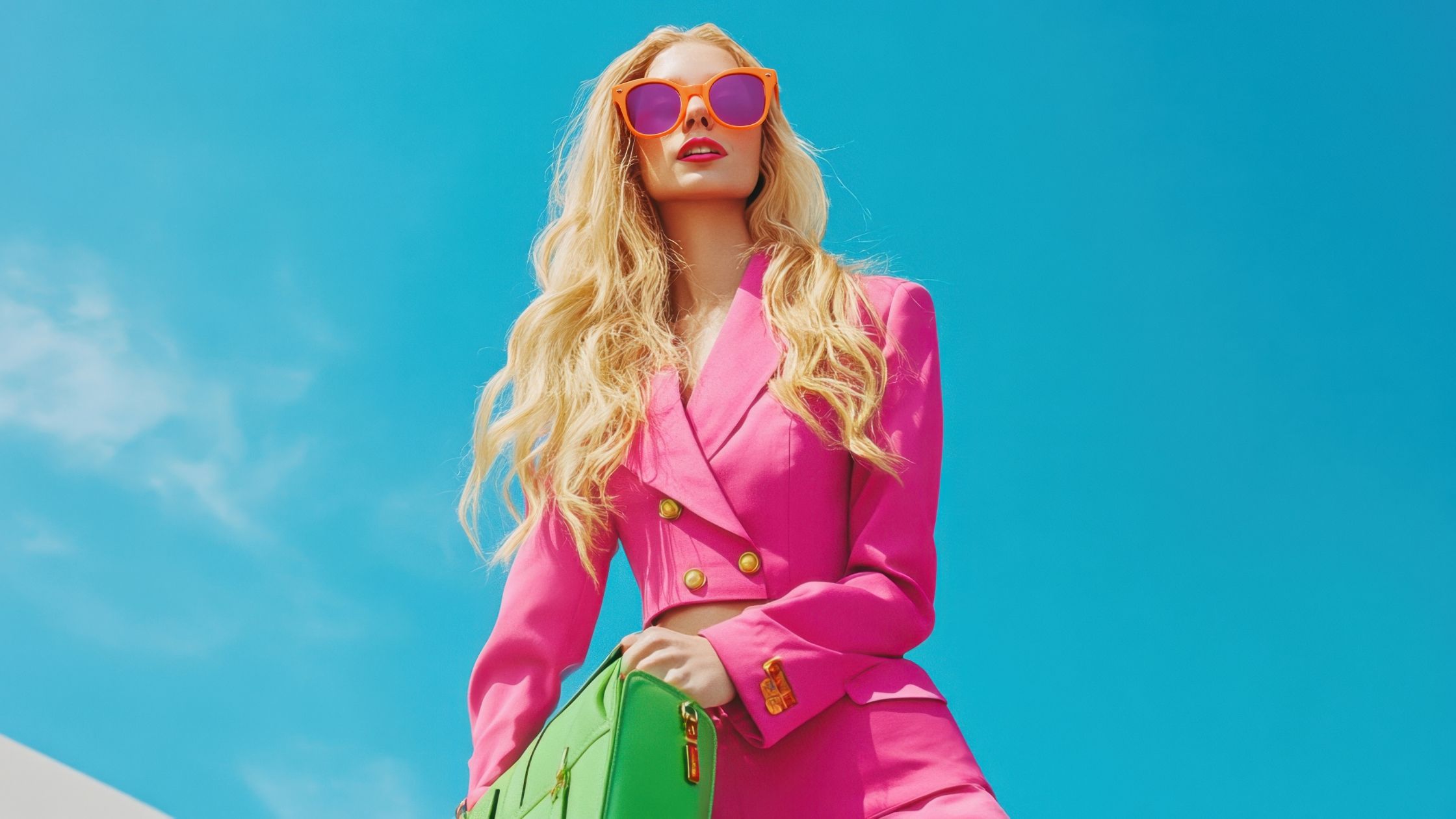
2026 colour trends are looking to span both ends of the spectrum: intense purples, warm yellows, earthy terracottas, bright citrus tones, and strong graphic contrasts sit alongside refined pastels and muted blends. Colour will become a storytelling tool, whether it's mood-boosting brights or grounded organic hues.
What's driving it:
Colour psychology is influencing purchasing decisions. In uncertain times, expressive colours help consumers feel empowered, positive, and seen. Younger generations in particular are embracing high-saturation clothing as self-expression, while older shoppers are gravitating toward richer, warmer tones.
Retail takeaway:
Curate dedicated colour stories in-store to inspire confident styling. Display tone-on-tone outfits as well as high-contrast looks to show versatility. Stock block colour-focused accessories, hats, belts, bags, to make adoption easy for hesitant customers. Lighting is critical: ensure displays enhance vibrancy.
6. Relaxed Tailoring & Hybrid Silhouettes
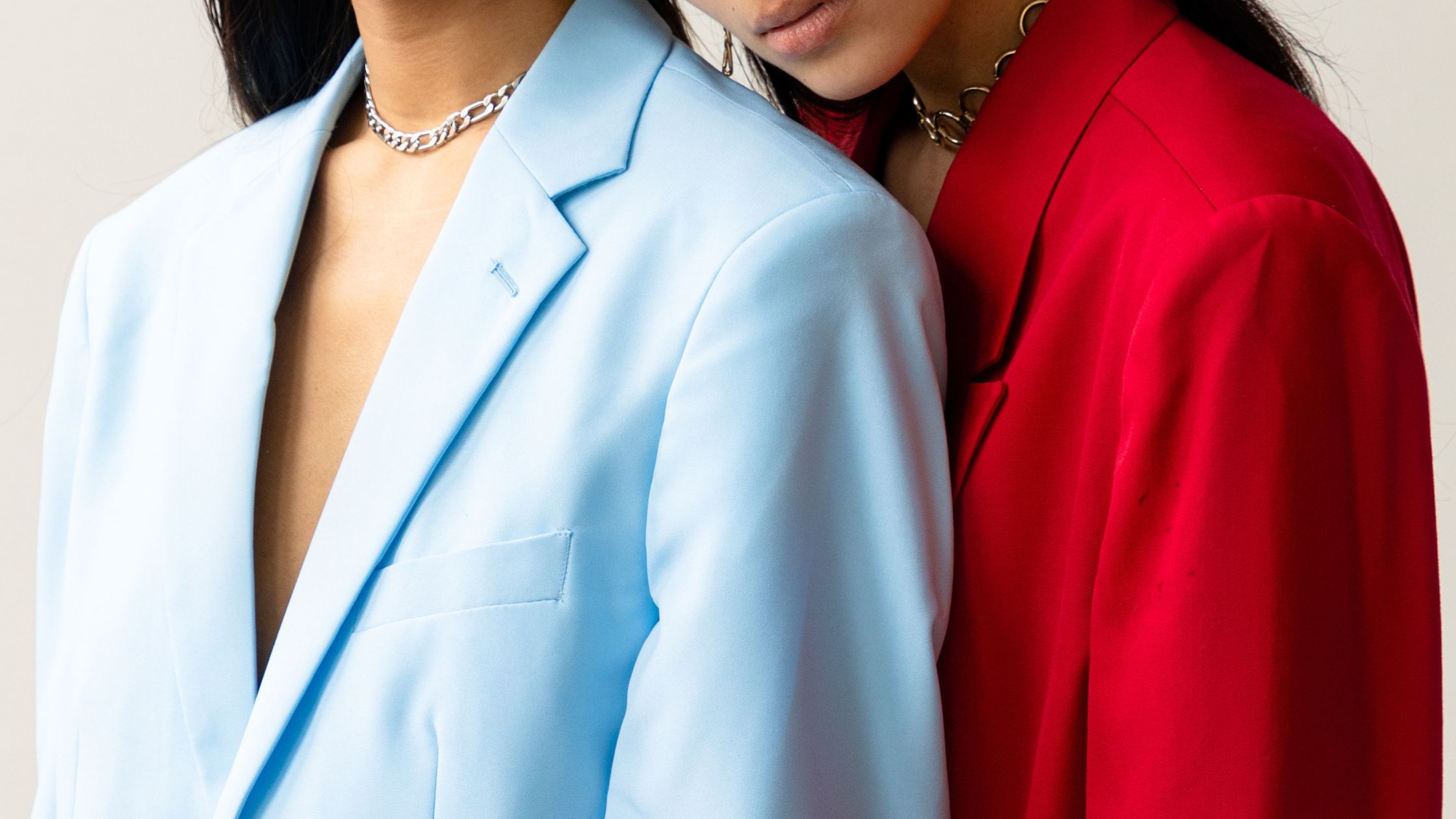
Traditional tailoring continues to evolve toward comfort-first dressing. Expect reimagined blazers with soft construction, cropped jackets, drawstring or elasticated tailoring, hybrid knit-blazer styles, and trousers that combine structure with ease. The aim: polished silhouettes with all-day wearability.
What's driving it:
Hybrid working has reshaped dressing habits. People need clothing that transitions seamlessly from office settings to home, travel, and leisure, without compromising appearance or comfort. Soft tailoring meets this demand with ease and sophistication.
Retail takeaway:
Stock tailored garments in stretch, crease-resistant, or travel-friendly fabrics. Build outfit displays showing how relaxed tailoring can be worn casually or professionally. Offer matching sets to boost outfit-led sales and make merchandising more cohesive.
7. Statement Outerwear & Elevated Accessories
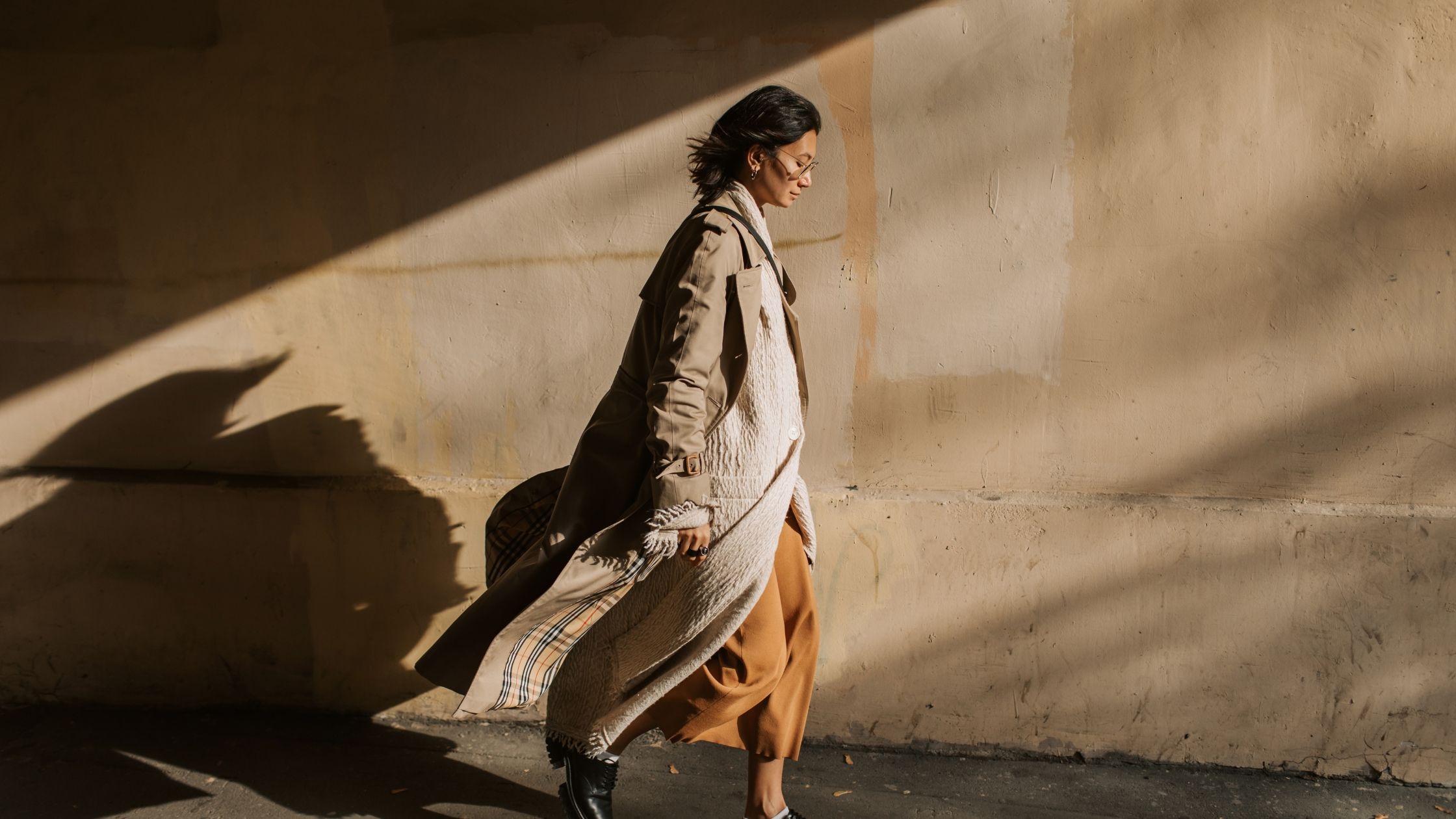
Outerwear becomes the wardrobe hero in 2026. Sculptural coats, textural puffers, oversized faux fur, dramatic trenches, and tactile wool-blends dominate. Accessories: particularly bold bags, chunky belts, and sculptural jewellery, also regain importance as finishing touches that complete an outfit.
What's driving it:
With unpredictable weather patterns and a return to social events, customers seek outerwear that is both protective and expressive. Meanwhile, accessories offer affordable updates to existing wardrobes, appealing to budget and sustainability conscious shoppers.
Retail takeaway:
Invest in attention-grabbing outerwear silhouettes and build impactful front-of-store displays around them. Introduce accessory bundles or curated edits to encourage add-on purchases. Highlight tactile materials, adjustable features, and modular components.
8. Fluidity, Inclusivity & Identity-Driven Dressing
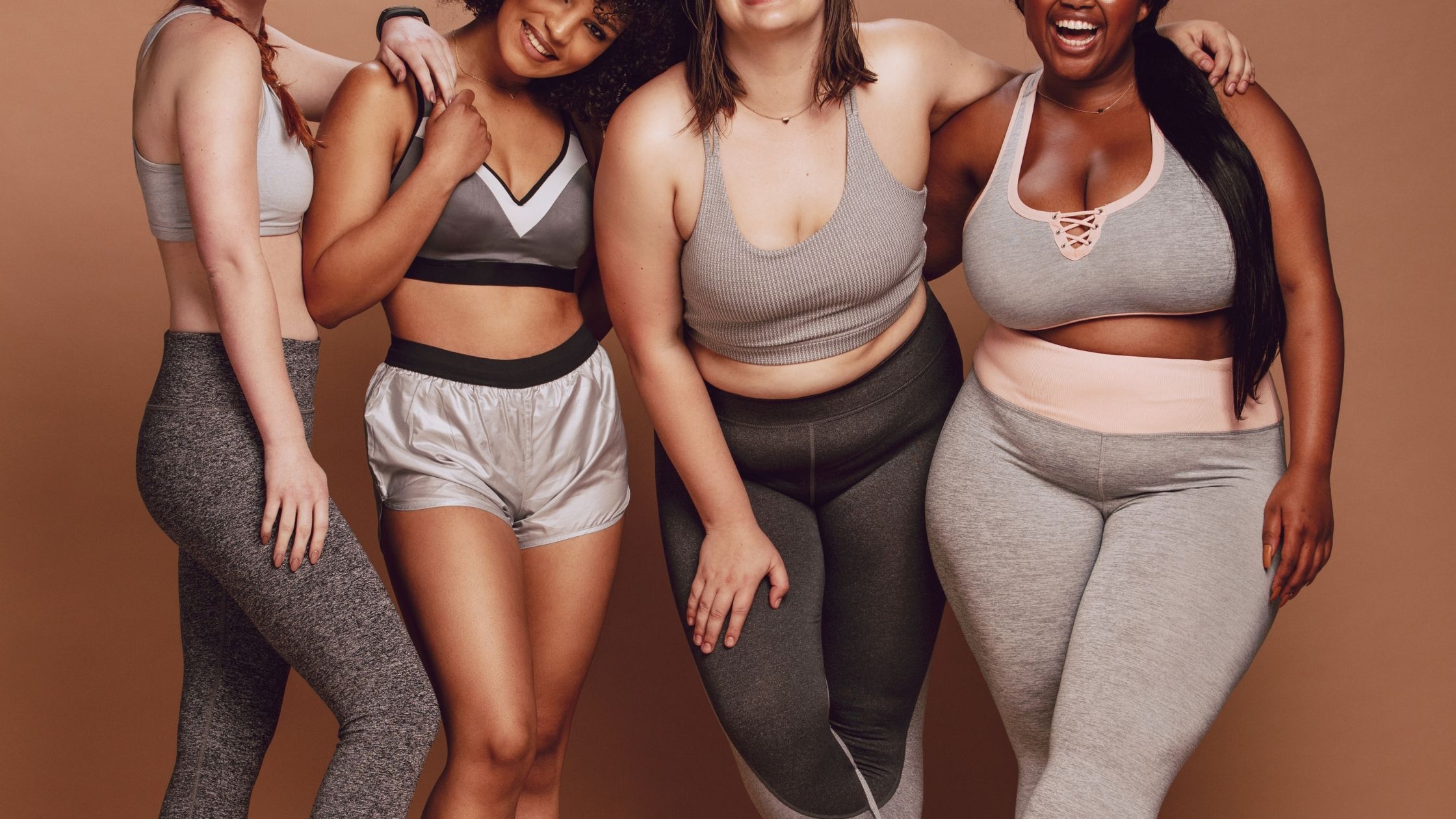
Fashion in 2026 embraces fluid silhouettes, unisex garments, and inclusive sizing that frees customers from dated category boundaries. Personal identity takes precedence over traditional “menswear” or “womenswear,” with retailers adopting flexible merchandising to support individual expression.
What's driving it:
A cultural demand for authenticity, visibility, and body positivity. Consumers want brands to reflect modern identity experiences — not restrict them. Fluid, adaptable garments offer comfort and freedom while expanding style possibilities.
Retail takeaway:
Introduce broader size ranges, unisex options, and adaptable fits. Train store teams in inclusive styling conversations and merchandising. Showcase diverse models across age, body type, and gender expression to signal brand alignment with modern values.
9. Tech-Infused Fabrics & Performance Innovation
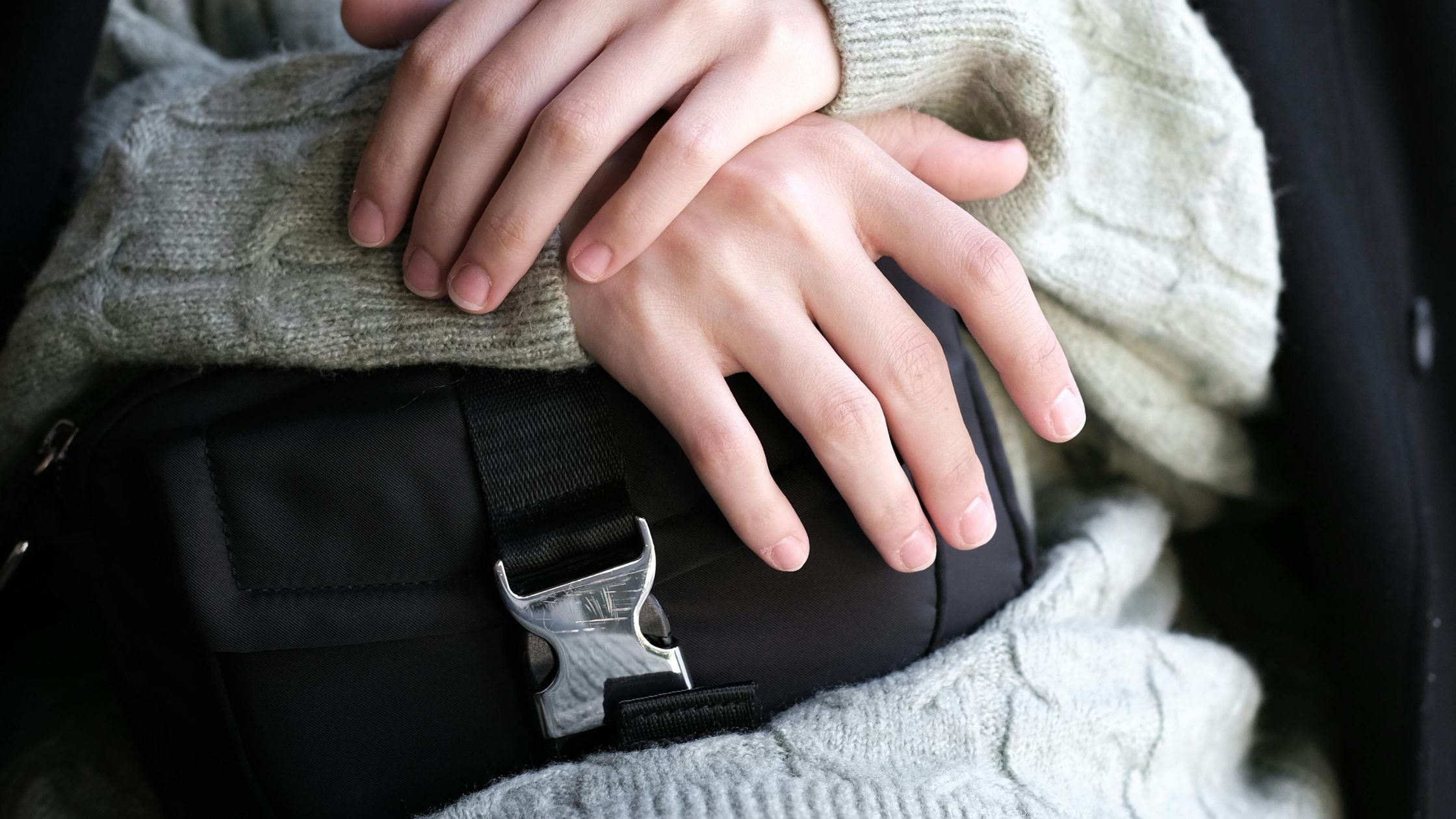
Fashion meets function as performance fabrics migrate into everyday wardrobes. Moisture-wicking blends, temperature-regulating textiles, stretch-suiting, crease-free shirts, and recycled technical fibres are becoming mainstream. The focus is practical innovation, clothing that works harder for the wearer.
What's driving it:
Consumers expect more from their wardrobes: adaptability, comfort, sustainability, and durability. As lifestyles become more dynamic, shoppers are drawn to pieces that support movement, travel, and unpredictable weather.
Retail takeaway:
Feature technical garments in a dedicated “innovation zone” with clear signage outlining fabric benefits. Offer a mix of basics (technical tees, trousers) and elevated pieces (smart outerwear). Interactive “touch and test” areas help customers feel differences firsthand.
10. Nostalgia & Retro References Reimagined
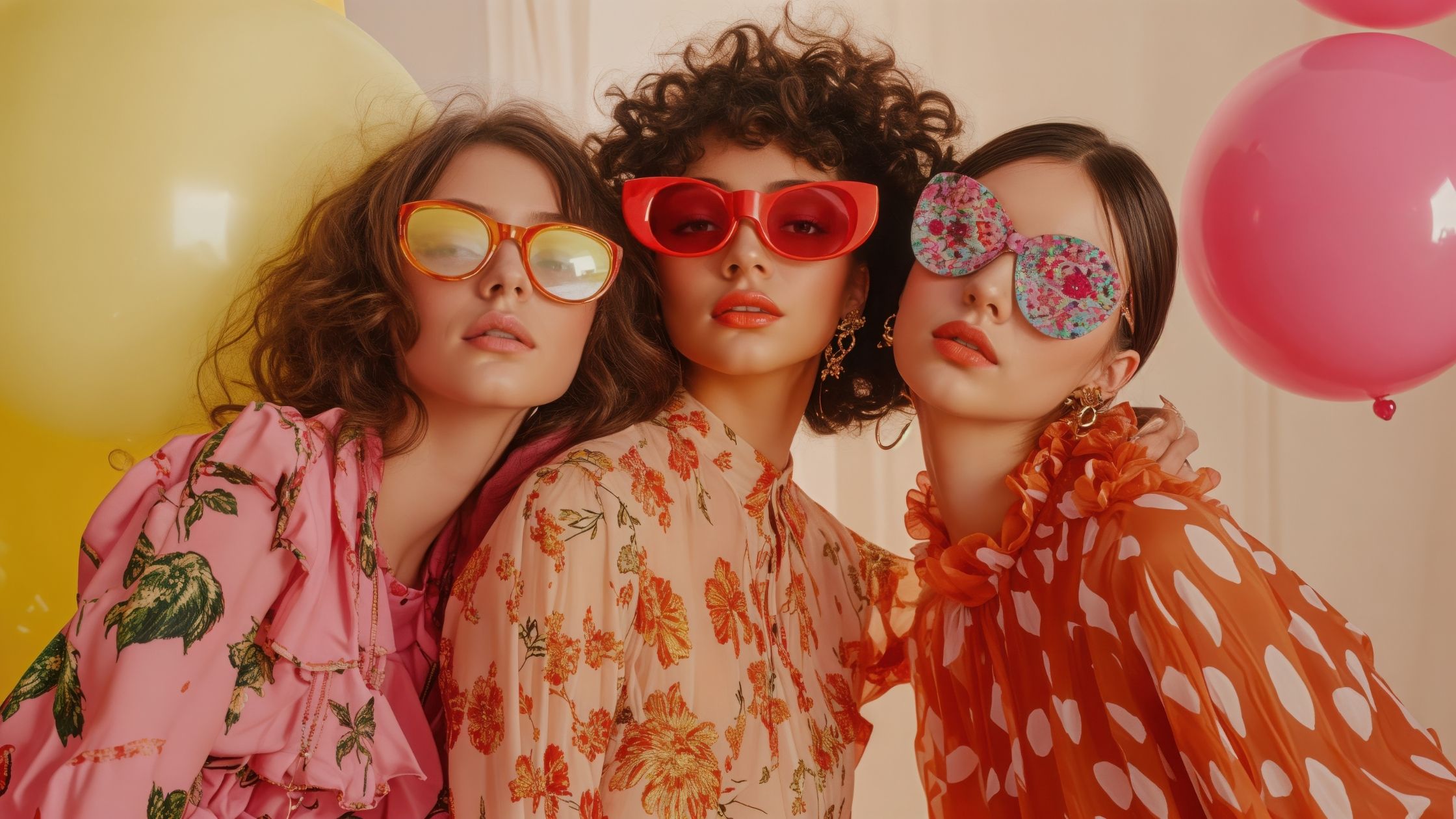
Nostalgia remains one of the most powerful forces in fashion. In 2026, designers revisit iconic styles from the '70s, '90s, and early 2000s, but with modern refinements: improved fits, luxe fabrics, and updated colour palettes. Think flared tailoring, slip dresses, retro sportswear, and digital-age interpretations of Y2K nostalgia.
What's driving it:
Nostalgia offers predictability and comfort. Consumers of all ages lean toward familiar silhouettes that evoke positive memories, while younger shoppers embrace retro aesthetics for the first time. Designers use this as a foundation for fresh reinterpretation.
Retail takeaway:
Curate retro-inspired capsules with modern cuts and inclusive sizing. Create campaign imagery that blends past and present references. Limited-edition nostalgia drops can generate excitement, particularly for younger audiences seeking collectible pieces.
The Takeaway
2026 fashion blends emotional resonance with practicality, craftsmanship, and self-expression. These trends reveal consumers' desire for clothing that feels personal, performs well, and stands the test of time. For retailers, the biggest opportunities lie in offering versatility, authenticity, and clear storytelling — from raw denim revivals to romantic drapery and tech-driven innovation.